AI and the Uzbek Language
Introduction to AI Language Models
What Are Language Models?
At its heart, an AI language model is a tool designed to understand and generate human language. Think of it as a sophisticated version of the autocomplete on your phone, but instead of just predicting the next word, it can predict entire paragraphs, translate languages, answer questions, and even write code. The goal is to process and produce text in a way that is natural and useful to people.
These models are a core part of a field called Natural Language Processing, or NLP. It's a branch of artificial intelligence focused on enabling computers to comprehend, interpret, and manipulate human language. From a simple spam filter in your email to advanced digital assistants, NLP is working behind the scenes.
Natural Language Processing
noun
A field of artificial intelligence (AI) that helps computers understand, interpret, and generate human language, both text and speech.
A Quick Trip Through Time
The idea of teaching machines our language isn't new. Early attempts in the mid-20th century were based on strict rules of grammar. These systems were brittle; they broke easily when faced with the messy, unpredictable nature of real human conversation. Later, statistical methods took over. Instead of hardcoded rules, these models learned patterns by analyzing huge amounts of text, calculating the probability of one word following another. This was a big step forward, but they still lacked a deep sense of context.

The last decade has seen a massive leap, thanks to the rise of machine learning and new types of computer architecture. This brings us to the models we use today.
Inside the AI's Brain
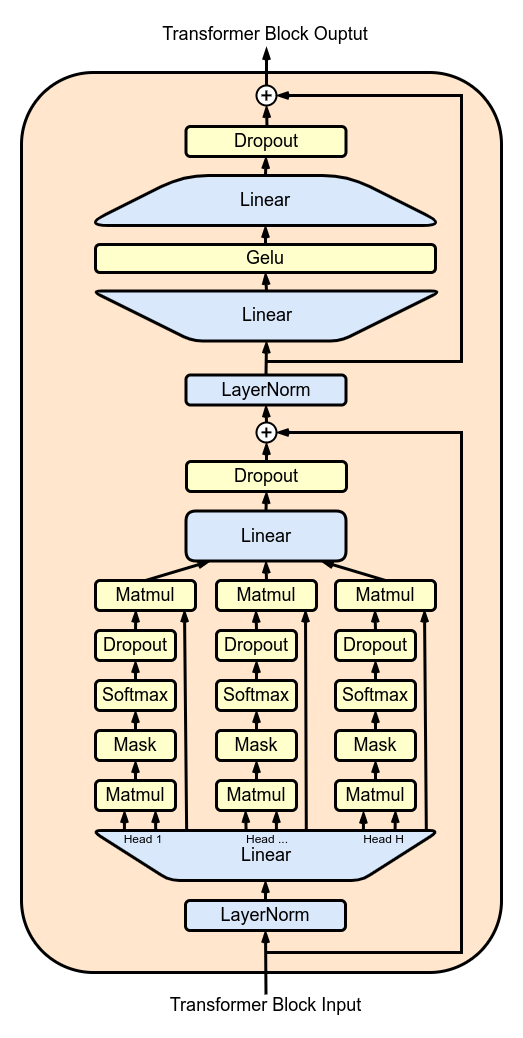
Modern language models are built on two key concepts: neural networks and transformers. A neural network is a system inspired by the human brain. It's made of interconnected nodes, or "neurons," that process information. By analyzing vast quantities of text data, the network learns to recognize patterns, from basic grammar to complex ideas and writing styles.
The real game-changer was the invention of the transformer architecture in 2017. Before transformers, models struggled to keep track of context in long sentences. A transformer can weigh the importance of different words when processing a sentence. It pays "attention" to the words that are most relevant to understanding the meaning, no matter where they are in the text. This ability to grasp long-range dependencies is what allows models to generate coherent and contextually relevant paragraphs.
What Can They Do?
The ability to understand context unlocks a huge range of applications. Language models can generate new text, from emails to poems. They can summarize long articles into a few key points, saving you time. They power chatbots and virtual assistants, allowing for more natural and helpful conversations.
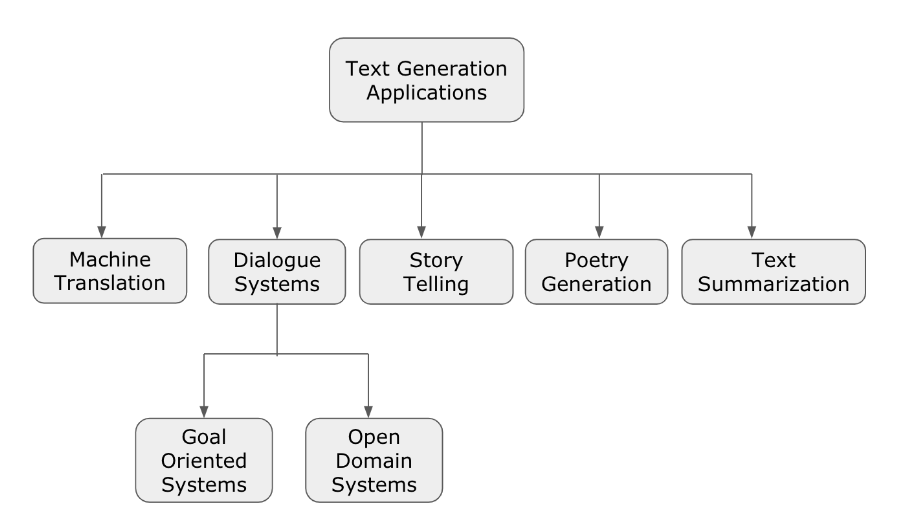
One of the most powerful applications is machine translation. Instead of just swapping words one-for-one, modern models can understand the nuances of both the source and target languages to produce more accurate and natural-sounding translations. This has led to the development of multilingual AI models, which are trained on dozens or even hundreds of languages at once. By learning from so many languages simultaneously, they can often improve their performance on all of them, even those with less available training data.
Now let's check your understanding of these core concepts.
What is the primary goal of an AI language model?
The key innovation that allows modern models to weigh the importance of different words across long sentences is called the __________.
This foundation in what language models are, how they evolved, and what they can do sets the stage for exploring their specific capabilities.