AI and the Oboe A Historical Perspective
Introduction to AI in Music
The New Composer
When we talk about artificial intelligence in music, it's easy to picture a robot flawlessly playing a grand piano. The reality is both more subtle and more profound. AI in music refers to computer systems designed to perform tasks that typically require human intelligence, like recognizing patterns, creating new ideas, and even understanding emotion within a piece of music.
Artificial Intelligence
noun
A field of computer science focused on creating systems that can perform tasks normally requiring human intelligence, such as learning, problem-solving, and decision-making.
Think of it less as a replacement for a musician and more as a new kind of instrument or a tireless collaborator. These systems analyze vast amounts of existing music to learn the rules, styles, and structures that define different genres, from Baroque concertos to modern pop. They can then use this knowledge to assist in creating something entirely new.
AI as a Creative Partner
In music composition, AI has become a powerful tool for sparking creativity. A composer might use an AI to generate a dozen different melodic ideas to break through writer's block. Or they could ask it to harmonize a melody in the style of a specific composer, providing a starting point that can be refined and personalized. The AI isn't the sole author; it's a partner in the creative process.
These tools can handle complex tasks like arranging orchestrations or creating intricate rhythmic patterns, freeing up the human composer to focus on the bigger picture and the emotional arc of the music. It’s a way to explore possibilities that would be too time-consuming or complex to discover manually.
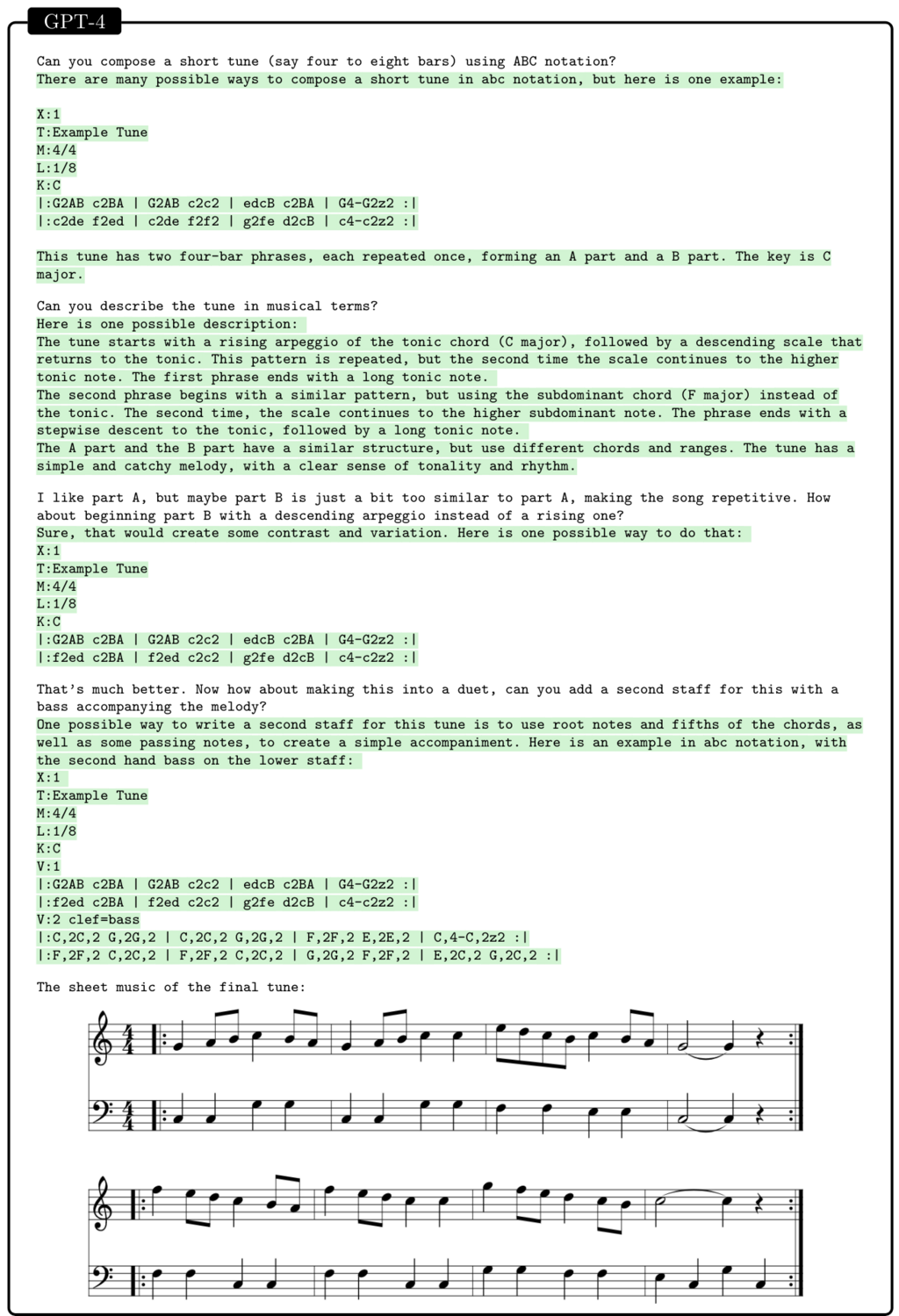
The collaboration can be very direct. A musician can provide a simple prompt, like "a sad piano melody in a minor key," and the AI generates a piece of music that can be used as is or altered. This process makes music creation more accessible to those without formal training in music theory.
The best practices for leveraging AI in music creation include approaching AI as a collaborative partner, focusing on clear artistic intent, and embracing experimentation.
Listening with AI
AI's role extends far beyond creating music. It's also changing how we perform and understand it. In performance, AI can generate real-time accompaniment that adapts to a human soloist, listening and responding to nuances in tempo and dynamics. This creates a dynamic, interactive experience that's different every time.
In music analysis, AI algorithms can sift through thousands of hours of music to identify patterns and influences that a human might miss. They can categorize songs by mood, complexity, or genre with incredible accuracy. This technology powers the recommendation engines on streaming services, learning your tastes to suggest new music you might love. It can also be used by musicologists to study the evolution of musical styles over centuries, providing data-driven insights into the history of music.
According to the text, what is the best way to describe the role of AI in music?
How can AI assist a composer struggling with writer's block?
This partnership between human creativity and machine intelligence opens up a new landscape of musical possibilities, changing not only how music is made but also how it is experienced.