AI and the Oboe A Historical Look
Introduction to AI in Music
What Is AI Anyway?
Artificial intelligence is a branch of computer science focused on creating machines that can perform tasks that typically require human intelligence. This includes things like learning, reasoning, problem-solving, and understanding language.
Artificial Intelligence
noun
A field of computer science dedicated to creating systems capable of performing tasks that normally require human intelligence, such as visual perception, speech recognition, decision-making, and translation between languages.
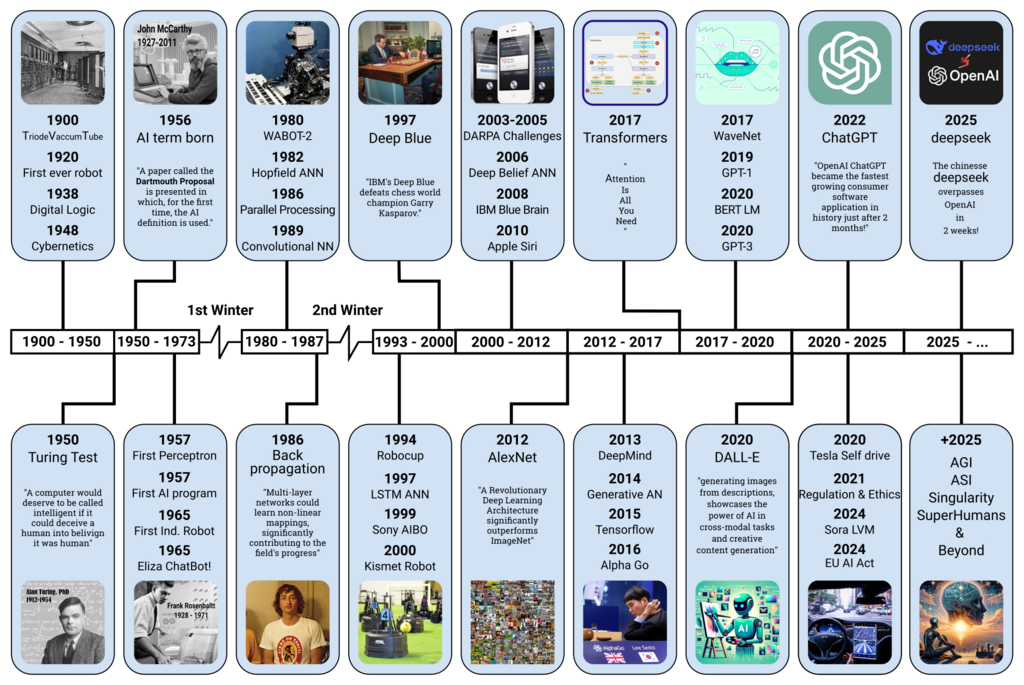
The idea isn't new, but the technology has evolved dramatically. Early AI was based on a set of rules programmed by humans. If a certain condition was met, the machine performed a specific action. It was very rigid.
Today, AI often relies on machine learning, where systems learn patterns from vast amounts of data without being explicitly programmed for every task. This allows for much more flexibility and sophistication. More recently, generative AI has taken center stage, capable of creating entirely new content, from text and images to music.
AI's Role in Music
When you think of AI and music, you might picture a robot flawlessly playing a violin. While that's possible, the real impact is much broader and more collaborative. AI is becoming a powerful tool for musicians, composers, producers, and educators.
It's being used to generate new musical ideas, analyze complex audio, and even create personalized listening experiences. Rather than replacing human artists, AI is often used to augment their skills and open up new creative avenues.
The integration of AI into music production is not about replacing human creativity but augmenting it, providing tools that can accelerate workflows and unlock new sonic possibilities.
Composing with a Digital Partner
One of the most exciting applications of AI is in music composition. AI models can be trained on massive libraries of existing music, from classical concertos to modern pop songs. By learning the patterns, structures, and styles within this data, they can generate new melodies, harmonies, and rhythms.
A songwriter experiencing writer's block might use an AI tool to generate a few starting chord progressions. A film composer on a tight deadline could use AI to create background textures for a scene. The AI provides a starting point, a spark of inspiration that the human artist then refines and builds upon.
AI doesn't compose music for the artist; it composes with the artist. It's a collaborative process.
Performance and Analysis
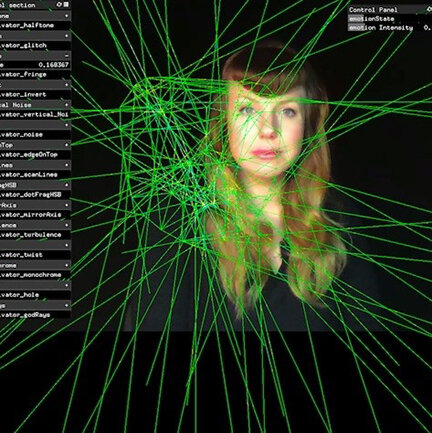
AI is also changing music performance and practice. Some software can listen to a musician play and provide real-time feedback on pitch, timing, and dynamics. It can pinpoint specific notes that were out of tune or rhythms that were rushed, offering a level of detail that's hard to achieve on your own.
Beyond simple feedback, AI can act as an interactive accompanist. Imagine a pianist that listens to your solo and adjusts its tempo and dynamics to match your playing, creating a fluid and responsive duet. This technology makes practicing more engaging and effective.
A New Frontier in Music Education
The analytical power of AI has huge implications for music education. AI-driven apps can create personalized lesson plans for students. If a student is struggling with a particular scale, the AI can generate custom exercises to help them improve. If they master a concept quickly, it can introduce more advanced material.
This creates a learning experience that adapts to each individual's pace and needs. The AI can serve as a patient, always-available practice partner, helping students build fundamental skills so they can spend more quality time with their human teachers on interpretation and artistry.
As a co-pilot tool, GenAIM can serve as a reliable music composition assistant and a possible educational composition tutor while simultaneously lowering the entry barrier for all aspiring musicians, which is innovative and significantly contributes to AI for music generation.
What is the primary role of AI in the field of music, as described in the text?
How has the fundamental approach to building AI systems shifted from early models to modern ones like machine learning?
From composing to learning, AI is weaving itself into the fabric of the music world, offering new tools and possibilities for creators and students alike.