AI and the Future of Learning
Instructional Design Transformation
Smarter Design, Not Just Faster
Artificial intelligence is shifting the role of the instructional designer from a content creator to a curriculum architect. Instead of just generating text or images, AI tools are becoming partners in the entire design process, integrating into established pedagogical frameworks to help build more effective and personalized learning experiences.
This isn't about replacing human oversight. It's about augmenting it. AI can handle the heavy lifting of initial drafting and data analysis, freeing up designers to focus on higher-level tasks: refining pedagogical strategy, ensuring cognitive engagement, and addressing the nuanced needs of diverse learners.
AI and the ADDIE Model
The ADDIE model—Analyze, Design, Develop, Implement, and Evaluate—is a cornerstone of instructional design. AI can be a powerful assistant in every single phase.
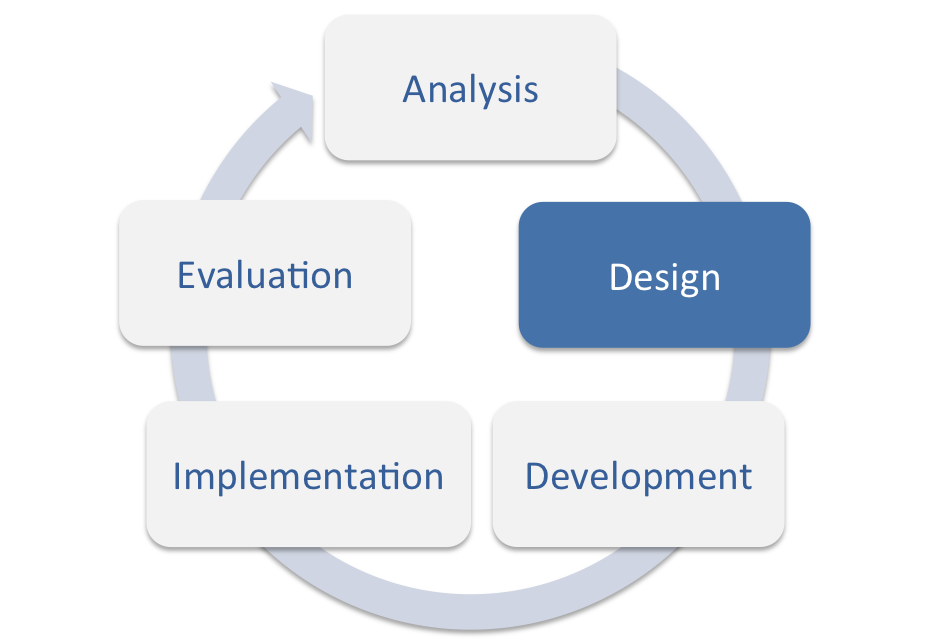
Analysis: In the analysis phase, AI can quickly process vast amounts of data. It can analyze pre-assessment results, survey feedback, or performance data to identify specific knowledge gaps and learner needs, providing a data-driven foundation for the course.
Design: This is where AI truly begins to accelerate the workflow. Designers can use AI to draft learning objectives, generate course outlines, and even create initial storyboards. A key capability here is mapping objectives to content. You can provide a list of learning outcomes, and an AI tool can suggest a logical sequence of topics, activities, and assessments to meet them.
Development: During development, AI shines at content creation. It can generate text, create quiz questions, produce scripts for videos, and suggest relevant case studies. Tools like Edcafe AI or Courseau are built specifically for this, turning outlines into structured lesson content.
Implementation: When the course is live, AI can help personalize the learning path. Based on a student's performance on a quiz, an adaptive system could serve up remedial content or more challenging material, tailoring the experience in real time.
Evaluation: Finally, AI can analyze learner performance data from assessments and activities to evaluate the course's effectiveness. It can spot trends, like a specific question that most learners get wrong, signaling a concept that needs to be retaught or an assessment item that needs revision.
By integrating AI into a framework like ADDIE, the process becomes less linear and more iterative. Insights from the evaluation phase can be fed back into the AI to refine the analysis and design for the next version of the course.
From Blank Page to Full Syllabus
One of the most immediate applications of AI in instructional design is automated curriculum generation. Starting with a simple prompt that outlines the target audience, primary learning goal, and desired length, a tool like ChatGPT can produce a detailed syllabus in minutes. This draft can include a course description, weekly topics, learning objectives for each module, suggested readings, and assessment ideas.
Specialized platforms take this a step further. Tools like Disco or Edcafe AI are designed with pedagogical structures in mind. They guide the designer through a process of defining outcomes and then generate a complete course structure that aligns content, activities, and assessments. This automated mapping saves dozens of hours, ensuring that every piece of the course serves a specific learning objective.
Speed vs. Depth
The primary benefit of using AI is speed. What once took weeks of manual planning can now be drafted in an afternoon. But this efficiency comes with a critical trade-off: the risk of sacrificing pedagogical depth.
An AI-generated syllabus might look great on the surface, but it requires a human expert to validate it. Does the content flow logically? Are the assessments authentic and measuring the right skills? Does the material account for the cultural context and prior knowledge of the learners? AI can't answer these questions on its own.
Success with AI in instructional design requires a balanced approach - combining powerful automation capabilities with human expertise and oversight.
The best practice is to treat the AI's output as a first draft, not a final product. Use it as a brainstorming partner and an automation engine, but always apply your professional judgment to refine, adapt, and elevate the material to meet high educational standards. The goal is to leverage AI to spend more time on deep design thinking, not to eliminate it.
According to the text, how is artificial intelligence primarily changing the role of an instructional designer?
In which phase of the ADDIE model is AI particularly useful for analyzing pre-assessment results and performance data to identify learner knowledge gaps?