AI and the Future of Creative Work
Introduction to AI in Creative Fields
The New Creative Partner
Every so often, a new technology changes the landscape for artists, designers, and creators. The camera changed painting. Digital software changed photography and graphic design. Now, artificial intelligence is the latest force reshaping how we think about creativity. It's not just a tool; it's a collaborator, an assistant, and a source of endless inspiration. Understanding AI is the first step for any creative professional looking to navigate this new era.
What Exactly Is AI?
Artificial intelligence is a branch of computer science focused on building smart machines capable of performing tasks that typically require human intelligence. Think of it less as a single entity and more as a broad category of technologies.
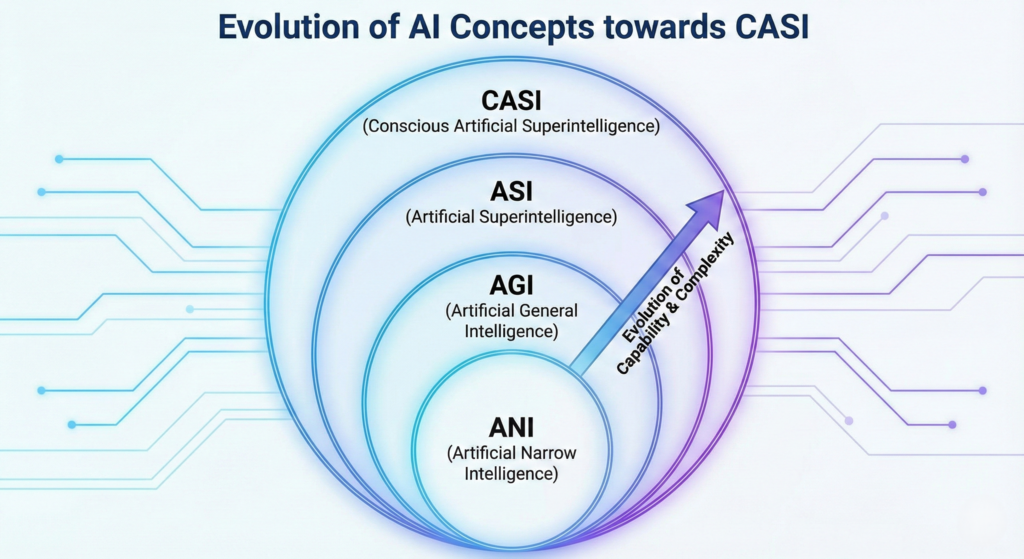
Most AI today is what experts call Artificial Narrow Intelligence (ANI). This means the AI is designed for a specific task, like recognizing faces in photos, translating languages, or generating an image from a text prompt. It's incredibly good at its one job, but it can't think or reason outside of that specific context.
Further down the line are concepts like Artificial General Intelligence (AGI), a hypothetical AI with human-like cognitive abilities, and Artificial Superintelligence (ASI), which would surpass human intellect. For now, the tools creatives are using are all forms of narrow AI.
So when you use an AI art generator, you're not collaborating with a thinking machine. You're using a highly specialized tool that has been trained on vast amounts of data to recognize patterns and create new outputs based on your instructions.
A New Brush in the Toolkit
Artists have always adopted new technologies. The invention of the paint tube in the 1840s allowed painters to leave their studios and capture the fleeting light of the outdoors, giving rise to Impressionism. The camera didn't kill painting; it freed painters to explore abstraction and emotion rather than just representation.
In the digital age, software like Photoshop and Illustrator revolutionized graphic design and photo editing. These tools automated tedious tasks and opened up new possibilities. AI is the next step in this evolution. It's another powerful tool in the creative toolkit.
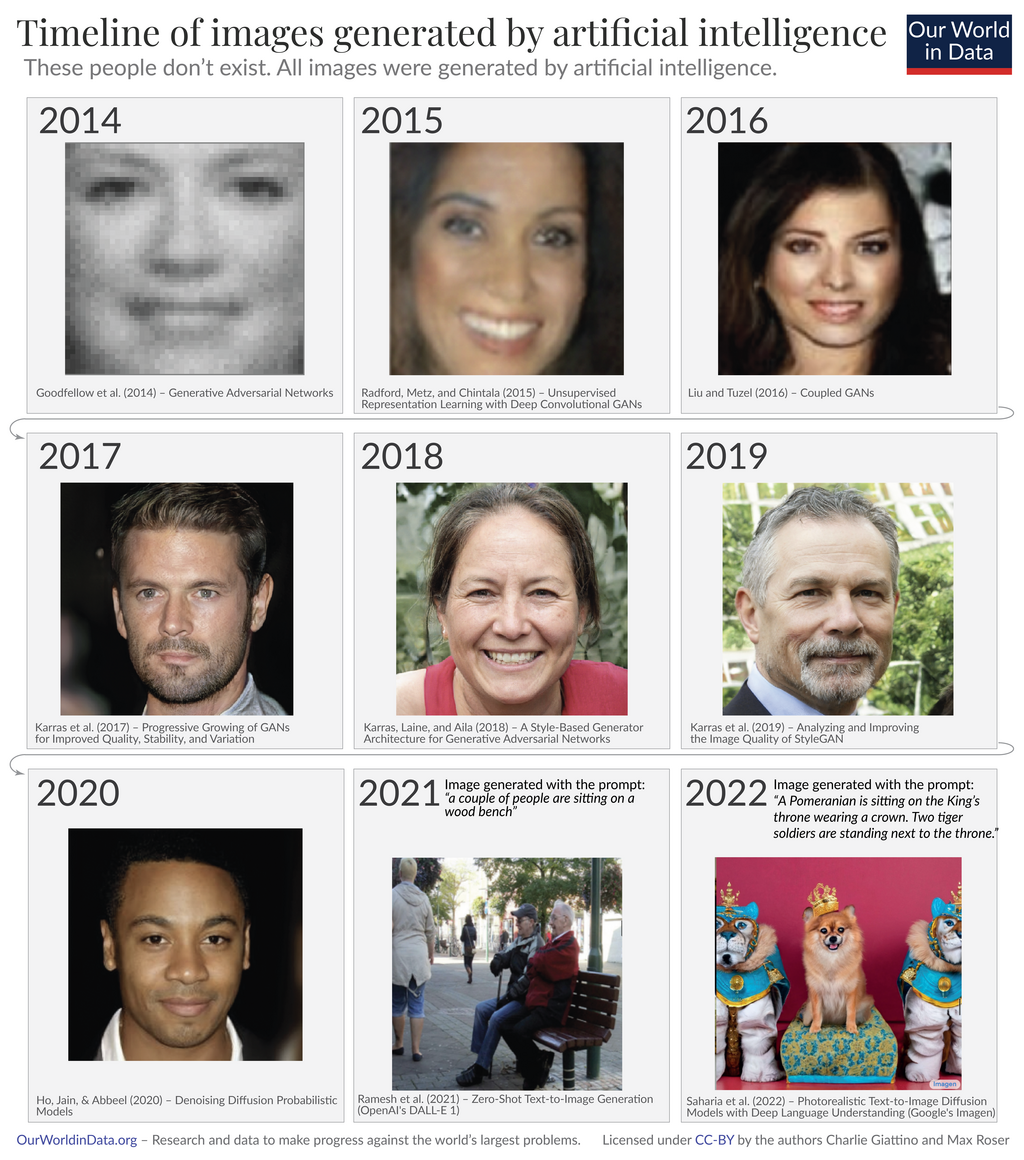
Today's AI applications are already integrated into many creative workflows. In photography, AI-powered software can remove noise from low-light photos, sharpen blurry images, or seamlessly remove unwanted objects from a scene. In design, AI can generate dozens of logo variations in seconds or suggest optimal layouts for a webpage.
And of course, in digital art, generative AI models can turn a simple text prompt into a breathtaking illustration, a photorealistic image, or an abstract masterpiece. These tools help artists brainstorm ideas, create assets, or explore styles they might never have considered.
| Creative Field | Common AI Application |
|---|---|
| Digital Art | Generating images from text prompts (e.g., "a cat in a spacesuit") |
| Photography | Enhancing image quality and removing unwanted objects |
| Graphic Design | Creating logo variations and suggesting color palettes |
| Music Production | Composing melodies or generating unique soundscapes |
| Writing | Brainstorming ideas and checking for grammar and style |
The State of the Art
The world of creative AI is moving incredibly fast. What was state-of-the-art six months ago might be standard today. Current trends show a shift from simple image generation to more complex tasks, like creating short videos, 3D models, and coherent stories from text prompts.
Artists are not just using these tools; they are actively shaping them. By developing unique prompting techniques and combining AI outputs with traditional methods, creators are discovering entirely new aesthetics. The focus is moving from the novelty of AI generation to the craft of using AI with intention and skill.
This technology is becoming more accessible every day, enabling people without traditional artistic training to bring their ideas to life. At the same time, it offers seasoned professionals a way to speed up their workflow and push the boundaries of their creativity.
The key isn't whether AI can create art, but how artists can use AI to create new art.
This course will guide you through this evolving landscape. We'll explore how these tools work, the challenges they present, and how you can adapt your skills to thrive in a world where AI is a constant creative companion.