AI and Russian Language
Introduction to AI Language Models
What Are AI Language Models?
At its core, an AI language model is a tool designed to understand, interpret, and generate human language. Think of it as a sophisticated pattern-recognition machine that has analyzed vast amounts of text to learn the rules, nuances, and rhythms of how we communicate.
A Large Language Model (LLM) is a type of artificial intelligence program designed to understand, generate, and work with human language.
The "large" in Large Language Model (LLM) is key. It refers to two things: the enormous size of the text datasets they are trained on, often encompassing a significant portion of the public internet, and the huge number of parameters in the model itself. A parameter is like a knob that the model can tune during training. The more parameters, the more complex the patterns it can learn.
A Brief History
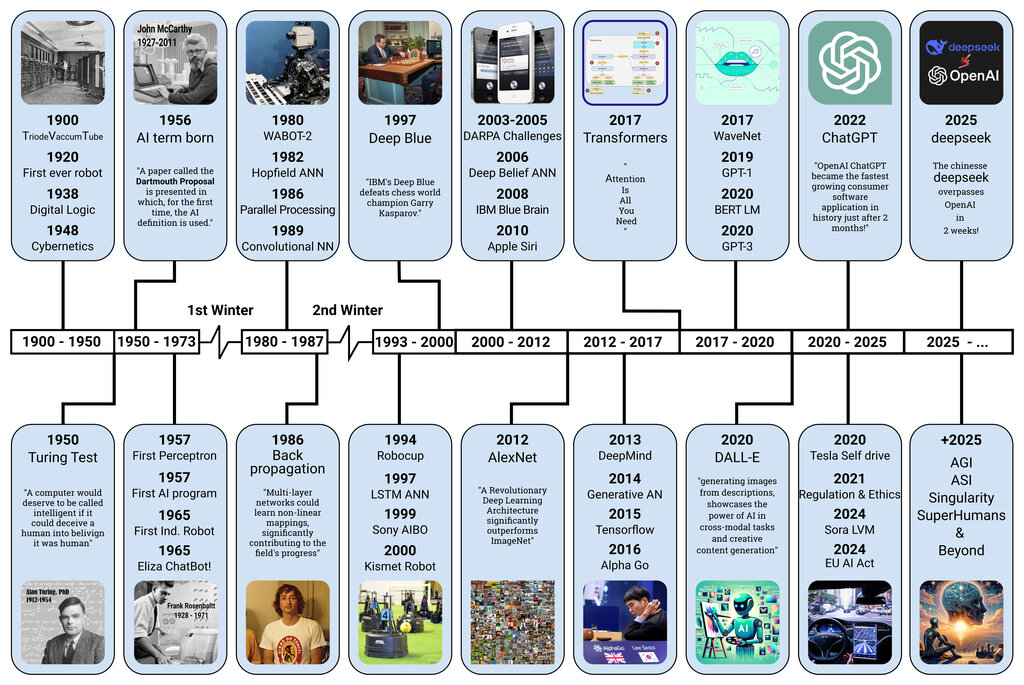
The idea of teaching machines language isn't new. Early attempts, called statistical models, focused on counting word occurrences. They could predict the next word in a sentence based on the probability of which word usually followed another. These models were useful but limited; they lacked a deep understanding of context or meaning.
The real breakthrough came with the rise of neural networks, which are computing systems loosely inspired by the human brain. A pivotal moment was the development of the "Transformer" architecture in 2017. This new design allowed models to weigh the importance of different words in a sentence, giving them a much better grasp of context, even over long paragraphs. This innovation paved the way for the powerful LLMs we see today.
How They Learn
Training an LLM is a bit like teaching a child to speak, but on a massive scale and at an accelerated pace. The process generally happens in two main stages: pre-training and fine-tuning.
During pre-training, the model is fed a gigantic dataset of text from books, articles, websites, and more. Its main task is simple: predict the next word in a sequence. By repeatedly guessing a word and then correcting itself based on the actual text, the model slowly learns grammar, facts, reasoning abilities, and even some biases from the data. It's building a foundational understanding of how language works.
After this intensive pre-training, the model can be fine-tuned. This involves training it further on a smaller, curated dataset tailored for a specific task. For example, to make a helpful chatbot, developers might fine-tune the base model on a high-quality dataset of questions and answers. This refines the model's behavior, making it better at following instructions and providing useful responses.
What Can LLMs Do?
The general-purpose nature of LLMs makes them incredibly versatile. Their ability to process and generate text has found applications in countless fields. They can summarize long documents, translate between languages, answer complex questions, write computer code, and even compose poetry.
In business, they power customer service chatbots and help analyze market trends. In education, they can act as personalized tutors. For developers, they are powerful coding assistants that can spot bugs and suggest improvements. The core capability is always the same: understanding a text input (a prompt) and generating a relevant text output.
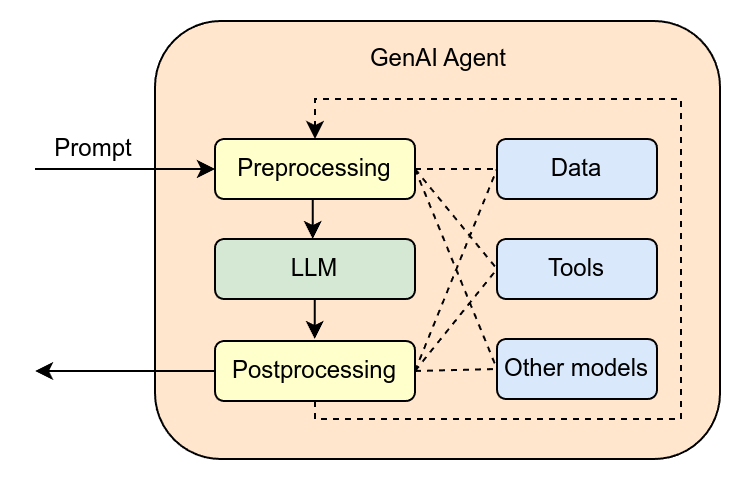
This foundational understanding of what LLMs are, where they came from, and how they learn is crucial. It sets the stage for exploring their more specific capabilities and limitations across different tasks and languages.
What does the 'large' in Large Language Model (LLM) primarily refer to?
What was the key innovation of the 'Transformer' architecture introduced in 2017?