AI and Nano Banana in Architecture
Introduction to AI in Architecture
What is AI, Really?
Artificial intelligence isn't about sentient robots from sci-fi movies. At its core, AI is a branch of computer science focused on building machines that can perform tasks that typically require human intelligence. This includes things like learning from experience, solving problems, understanding language, and recognizing patterns.
Think of it as teaching a computer not just to follow instructions, but to think, adapt, and make decisions on its own.
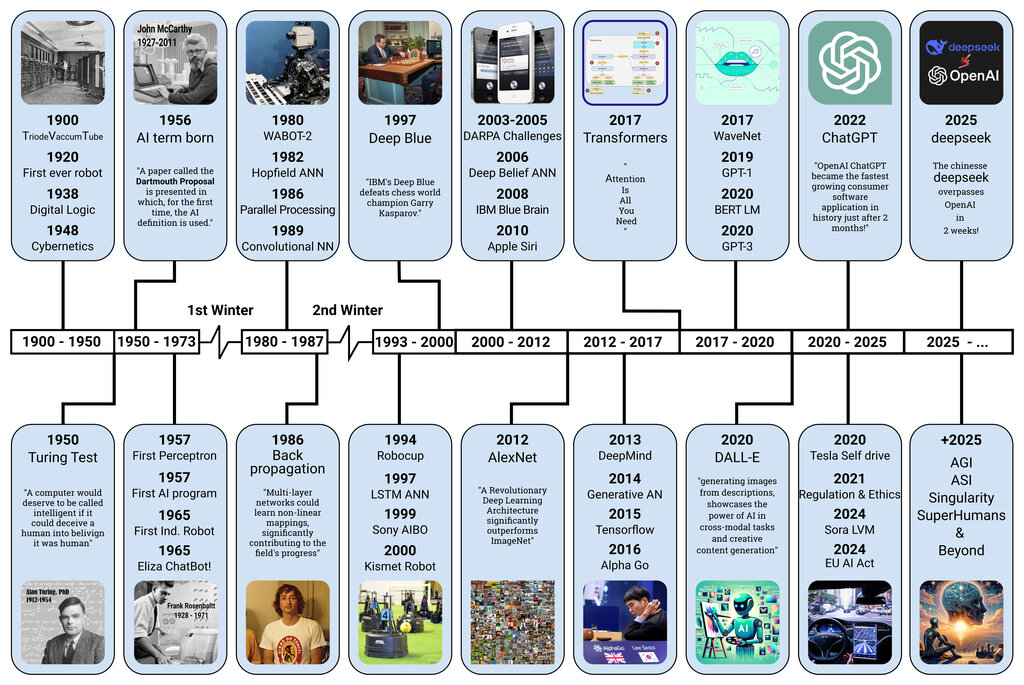
The idea has been around for decades, but only recently has the technology caught up. Thanks to massive amounts of data and powerful computers, AI has moved from a theoretical concept to a practical tool that's changing industries, including architecture.
AI Meets Architecture
So, how does this technology fit into the world of building design? Architects have always used tools to bring their visions to life, from pencils and drafting tables to computer-aided design (CAD) software. AI is the next evolution in that toolkit. It's not here to replace architects, but to act as a powerful collaborator.
While AI offers transformative potential, architects must view it as a collaborative partner rather than a passive tool.
AI's role in architecture is diverse. It can generate thousands of design options based on a set of goals and constraints—like budget, materials, and site conditions. This process, known as generative design, allows architects to explore possibilities they might never have conceived on their own. AI can also simulate and analyze a building's performance, predicting everything from energy consumption and natural light levels to pedestrian flow. This helps in making informed decisions early in the design process, leading to better, more sustainable buildings.
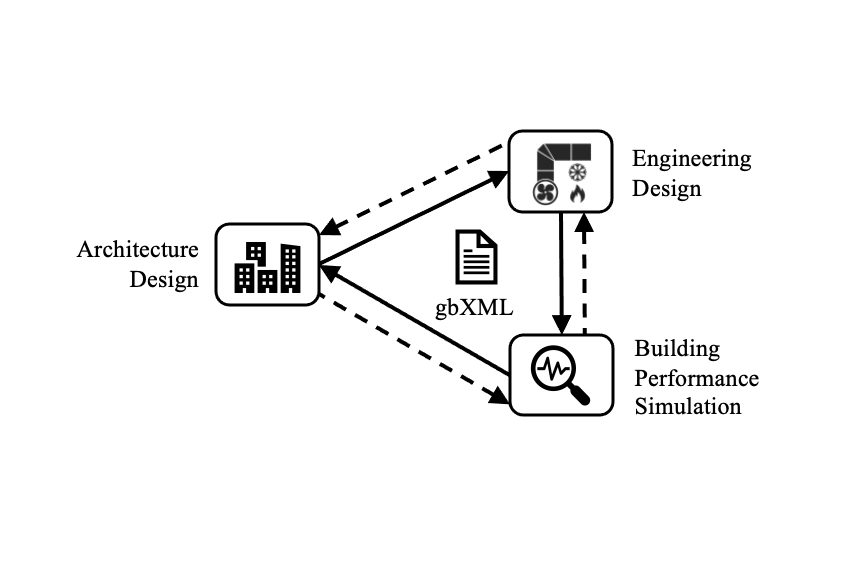
Other applications include automating the creation of construction documents, optimizing project schedules, and even managing building operations after construction is complete. By connecting to sensors in a "smart building," AI can adjust lighting, heating, and security systems in real-time for maximum efficiency and comfort.
A Digital Partner in Design
Integrating AI into the architectural process brings several key benefits. The most obvious is a massive boost in efficiency. AI can handle repetitive, time-consuming tasks, freeing architects to focus on the creative and strategic aspects of a project. Instead of manually drawing dozens of floor plan variations, an architect can define the parameters and let an AI generate hundreds of options in minutes.
This speed also unlocks a new level of creativity. With AI exploring a vast landscape of design solutions, architects can discover innovative forms and layouts that are highly optimized for specific goals. This is particularly useful for complex projects where balancing competing requirements is a major challenge.
Perhaps most importantly, AI is a powerful tool for creating more sustainable and resilient buildings. By running complex simulations, AI can help architects design buildings that use less energy, make better use of natural resources, and are better adapted to their environment. This data-driven approach moves architecture toward a more evidence-based practice.
Ultimately, AI empowers architects to make smarter, faster, and more creative decisions.
AI in the Real World
Architectural firms are already putting these ideas into practice. One well-known example is the headquarters for Autodesk, a software company, in Toronto. The design team used generative design to explore thousands of office layout options. They fed the AI key priorities, like access to daylight, low noise levels for focused work, and views of the outside. The AI produced a unique layout optimized for employee preferences and productivity—a design that would have been nearly impossible to arrive at through traditional methods.

Another case involves the design of a new manufacturing facility. The architects used AI to analyze the flow of materials and people, creating a floor plan that minimized travel distances and maximized operational efficiency. The result was a building that not only cost less to operate but was also safer and more effective for the workers inside.
These examples show that AI is more than just a futuristic concept. It's a practical tool that helps architects solve real-world problems and design better buildings for people and the planet.
Ready to check your understanding?
What is the primary role of AI in architecture, as described in the text?
Which of the following is NOT mentioned as a direct application of AI in architecture?