AI and ML for Business
Introduction to AI and ML
The Big Idea
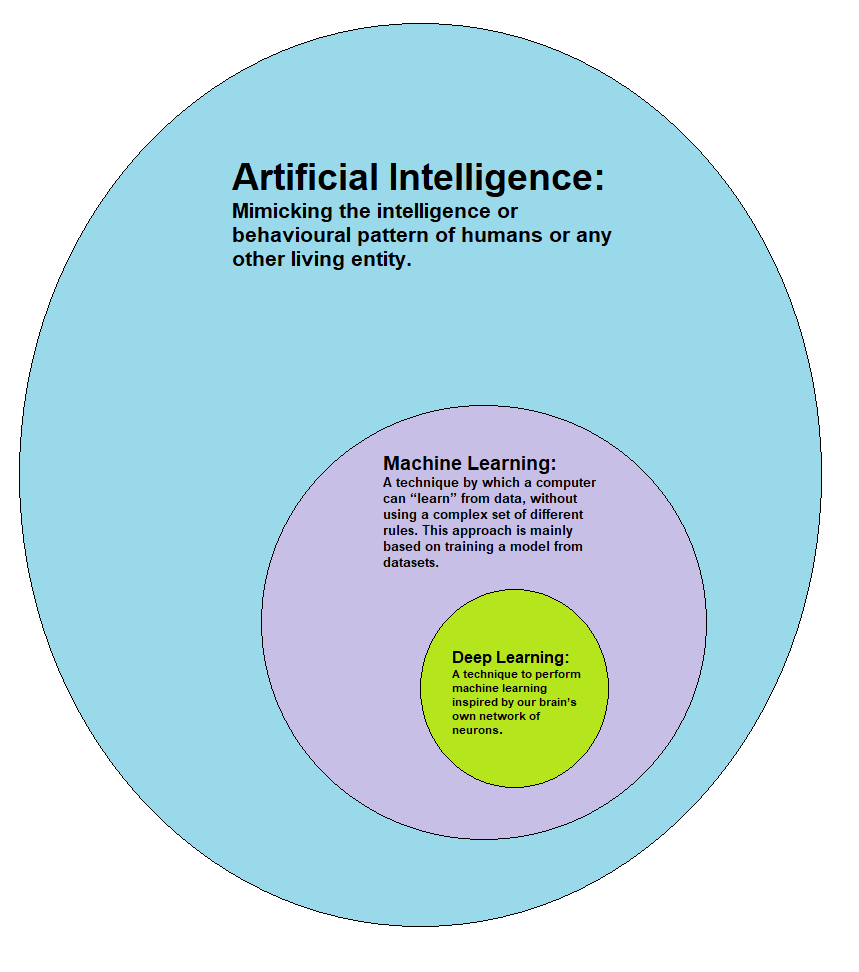
Artificial Intelligence, or AI, is a broad field of computer science. The main goal is to create machines that can perform tasks that typically require human intelligence. This includes things like learning, reasoning, problem-solving, perception, and using language.
Think of AI as the larger dream: building smart machines that can simulate human intellect.
Machine Learning, or ML, is a specific approach to achieving AI. Instead of writing explicit, step-by-step instructions for a task, ML algorithms allow a computer to learn from data. The machine looks for patterns and makes predictions or decisions on its own, improving with more data.
Algorithm
noun
A process or set of rules to be followed in calculations or other problem-solving operations, especially by a computer.
So, all machine learning is AI, but not all AI is machine learning. Early AI systems, for example, often relied on complex sets of hand-written rules and logic trees, not on learning from data.
A Quick Trip Through Time
The dream of artificial minds is ancient, but the scientific field of AI is relatively new. It was formally established in 1956 at a workshop at Dartmouth College. Early researchers were optimistic, believing that a machine as intelligent as a human being would exist in just a few decades.
Progress was slower than expected. The first AI systems could solve specific, well-defined problems but lacked general reasoning. This led to periods of reduced funding and interest known as "AI winters."
Machine learning, as a subfield, also has its roots in the mid-20th century. In 1959, Arthur Samuel, an AI pioneer, coined the term "machine learning." He created a checkers-playing program that learned from its own mistakes and eventually played better than its creator.
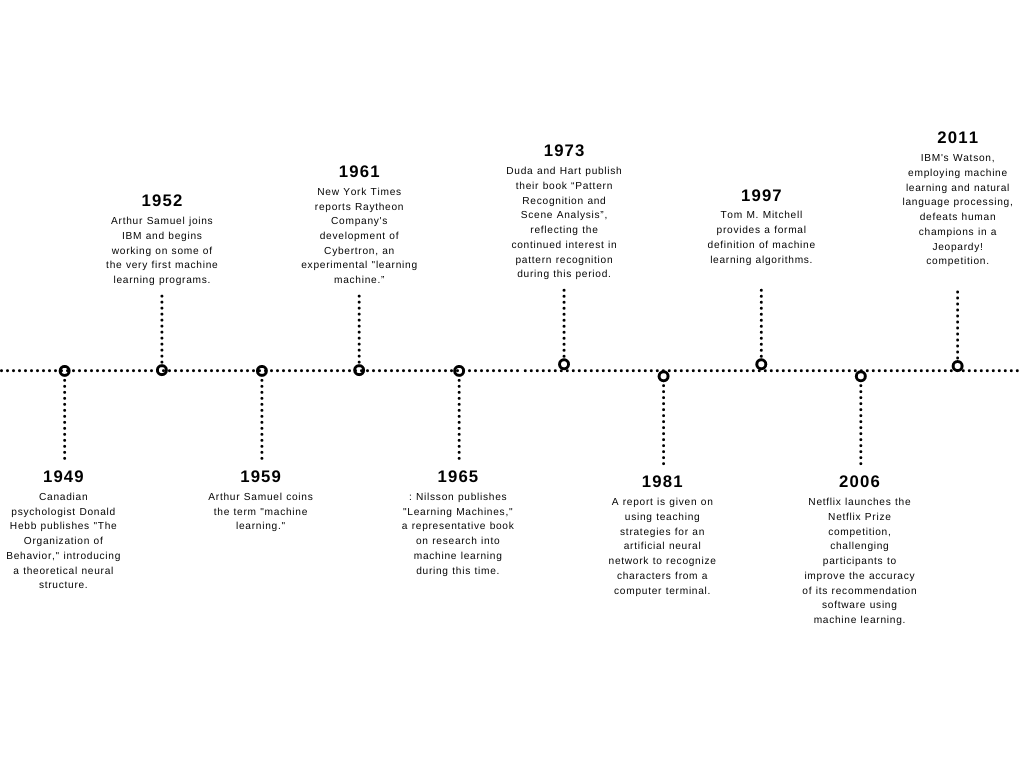
For decades, the progress of both AI and ML was limited by two main factors: a lack of data and insufficient computing power. That all changed in the 21st century.
The Current Landscape
Today, we're in an AI boom. The internet and countless sensors have created massive datasets, and specialized computer chips provide the necessary processing power to analyze it all. This combination has made machine learning the driving force behind most modern AI advancements.
From a simple photo tag suggestion to complex medical diagnoses, ML models are at work behind the scenes. They power recommendation engines, virtual assistants, and language translation services.
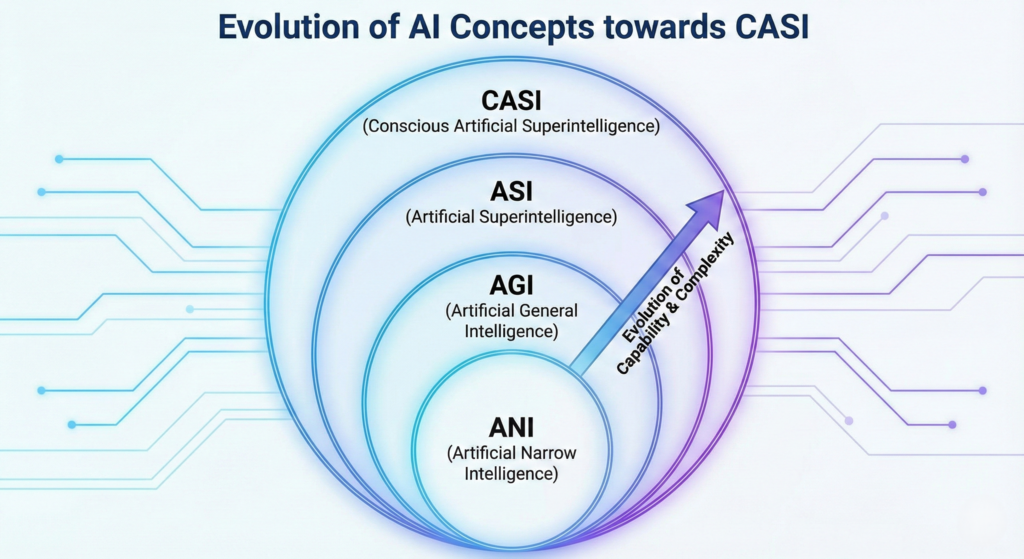
Understanding the distinction between the broad goal (AI) and the powerful method (ML) is the first step to making sense of the technologies shaping our world.
Which of the following statements best describes the relationship between Artificial Intelligence (AI) and Machine Learning (ML)?
What was a primary characteristic of many early AI systems that distinguishes them from modern, ML-driven AI?