AI and ML Engineering Essentials
Introduction to AI and ML
The Idea of a Thinking Machine
Artificial Intelligence (AI) is the broad science of making machines smart. The goal is to create systems that can perform tasks that typically require human intelligence. This could be anything from understanding language to recognizing objects in a photo or playing a complex game like chess.
The idea isn't new. Philosophers have wondered about artificial minds for centuries. But the modern field of AI really began in the 1950s. A handful of scientists believed that a machine could be made to think, and they set out to prove it. Early AI systems were often based on a set of handcrafted rules. For example, to build a chess-playing AI, developers would program in the rules of chess along with strategies from grandmasters. This worked, but it had limits. The machine only knew what its creators explicitly told it.
Artificial Intelligence
noun
A field of computer science dedicated to creating systems capable of performing tasks that normally require human intelligence.
To overcome these limitations, a new approach was needed. Instead of giving the machine rules, what if it could learn the rules on its own? This question led to the birth of Machine Learning (ML).
Machine Learning is a subfield of AI where systems learn patterns from data without being explicitly programmed.
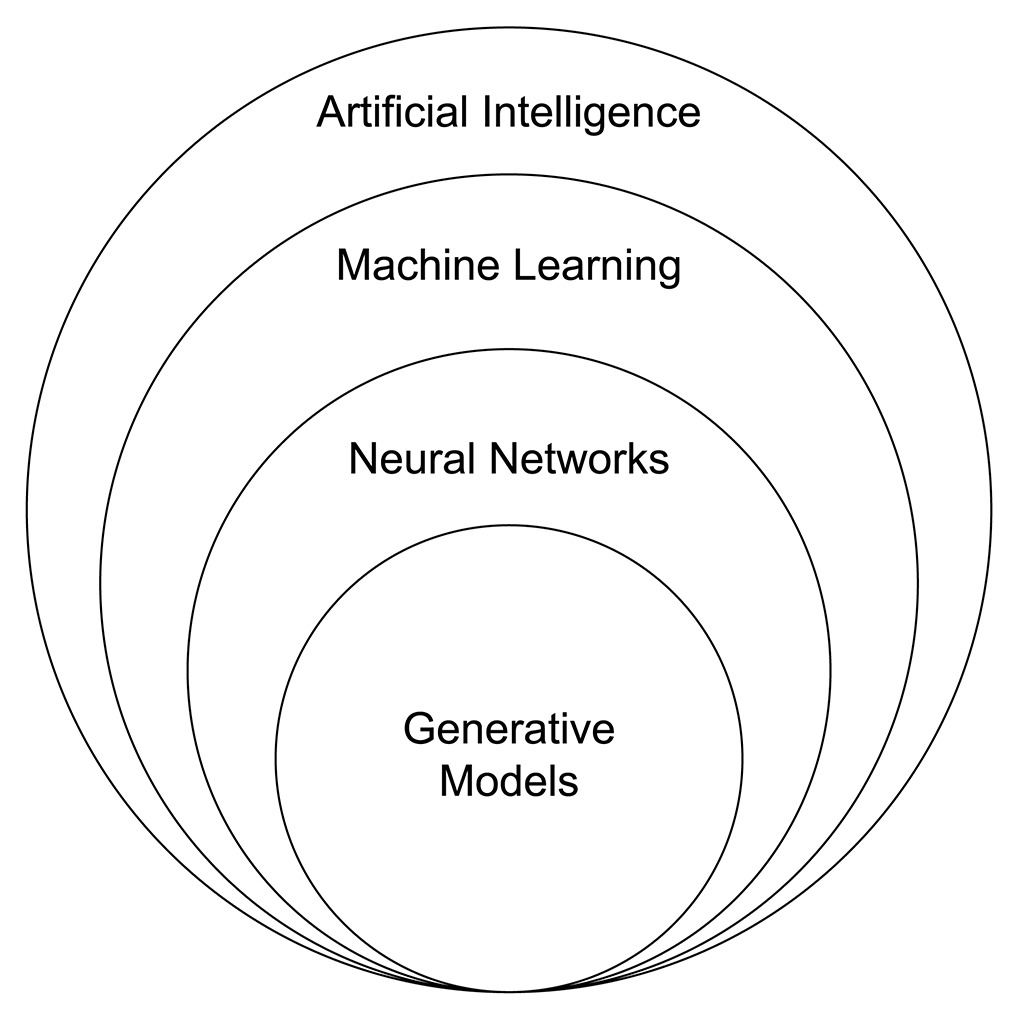
Think of ML as a way to achieve AI. Instead of writing code for every possible decision, developers create algorithms that can analyze huge amounts of data and discover the best way to perform a task. The more data the system sees, the better it gets. This relationship is often shown with AI as the overall category, with ML as a key component inside it.
Key Differences
While AI and ML are closely related, they aren't the same thing. The main distinction lies in their scope and approach.
| Feature | Artificial Intelligence (AI) | Machine Learning (ML) |
|---|---|---|
| Goal | To create intelligent machines that can simulate human thinking and behavior. | To enable machines to learn from data so they can make accurate predictions. |
| Scope | A broad field encompassing robotics, natural language processing, and ML. | A specific subset of AI focused on algorithms that learn from data. |
| Approach | Can use rules-based systems, logic, or learning-based methods like ML. | Primarily uses statistical methods to find patterns in data. |
| Example | A chatbot that can hold a conversation on any topic. | A system that learns to identify spam emails based on past examples. |
In short, all machine learning is AI, but not all AI is machine learning. Early AI systems, like those based purely on programmed rules, were not using machine learning.
AI and ML in the Real World
You probably use AI and ML every day without realizing it. These technologies are now woven into the fabric of many industries.
- Entertainment: When Netflix or YouTube recommends a video, that's ML at work. The system has learned your preferences from your viewing history.
- Finance: Banks use ML to detect fraudulent transactions. Algorithms analyze spending patterns and flag anything that looks unusual.
- Healthcare: AI helps doctors diagnose diseases earlier and more accurately. Machine learning models can analyze medical images like X-rays or MRIs to spot signs of illness that a human eye might miss.
- Transportation: Features in modern cars, like adaptive cruise control and automated parking, rely on AI. Fully self-driving cars are one of the most ambitious applications of this technology.
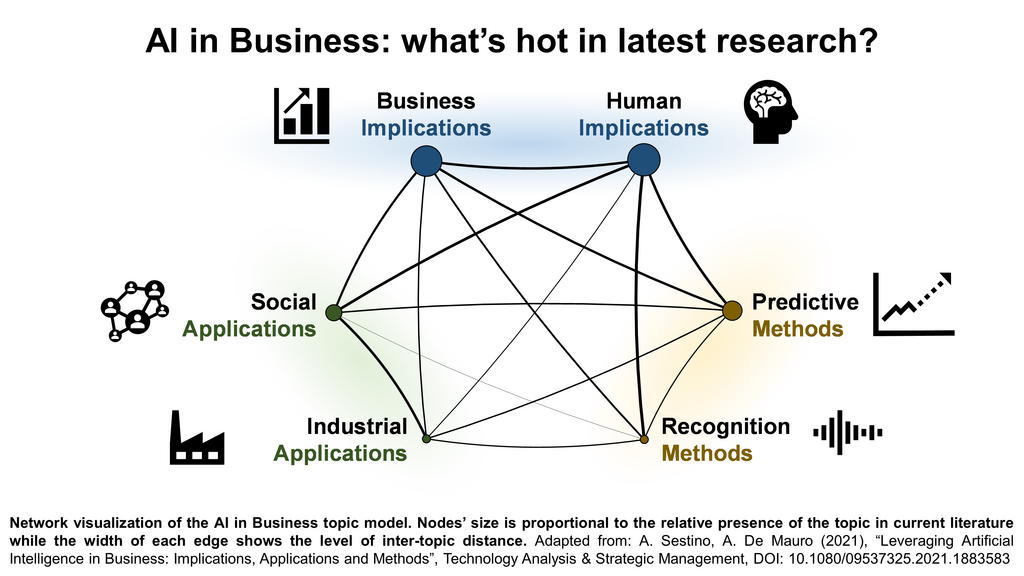
The common thread in all these applications is data. Machine learning thrives on it. The massive amounts of data generated today have fueled the rapid advancement of AI in recent years.
What's Next?
The field of AI is moving incredibly fast. One of the biggest trends is Generative AI, where models can create brand new content, from text and images to music and code. You've likely seen this with tools like ChatGPT.
As AI becomes more powerful, there's also a growing focus on ethics and responsibility. Ensuring that AI systems are fair, transparent, and safe is a major challenge for developers and society as a whole. The future of AI isn't just about making machines smarter, but also about integrating them into our world in a way that benefits everyone.
Time to check what you've learned.
What is the relationship between Artificial Intelligence (AI) and Machine Learning (ML)?
Early AI systems, like those developed in the 1950s, were primarily based on handcrafted rules programmed by developers.
Understanding these core ideas is the first step. From here, you can explore the specific techniques and tools that bring artificial intelligence to life.