AI and Machine Learning Fundamentals
Introduction to AI and ML
What Is Artificial Intelligence?
At its core, artificial intelligence is the science of making machines smart. The goal is to build computer systems that can perform tasks that usually require human intelligence. Think about things like understanding spoken words, recognizing faces in photos, making decisions, or even translating languages.
Artificial Intelligence
noun
A branch of computer science dealing with the simulation of intelligent behavior in computers.
Instead of being programmed with a massive, rigid set of rules for every possible situation, AI systems are designed to perceive their environment and take actions that maximize their chance of successfully achieving their goals. It's a broad field that encompasses many different approaches and techniques.
From Theory to Reality
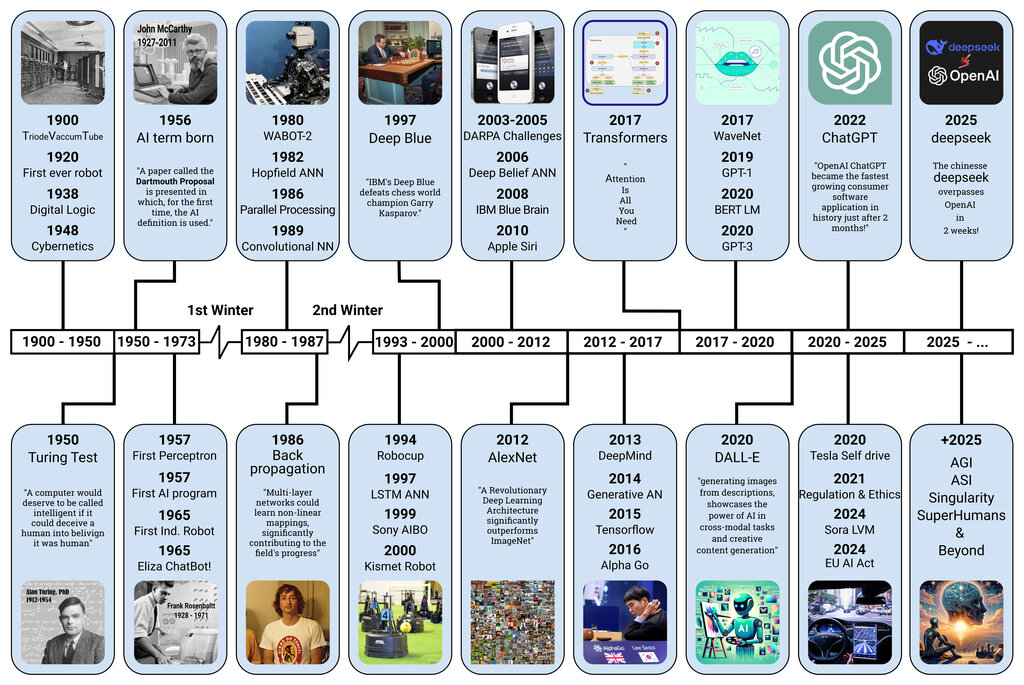
The idea of intelligent machines has been around for centuries, but the formal study of AI began in the mid-20th century. A pivotal moment was a 1956 workshop at Dartmouth College, where the term "artificial intelligence" was first coined. Early researchers were optimistic, believing machines with human-like intelligence were just a few decades away.
Progress was slower than expected, marked by periods of high funding and excitement followed by "AI winters" where progress stalled. However, recent advances in computing power and the availability of massive amounts of data have led to the AI boom we see today.
Machine Learning's Big Entrance
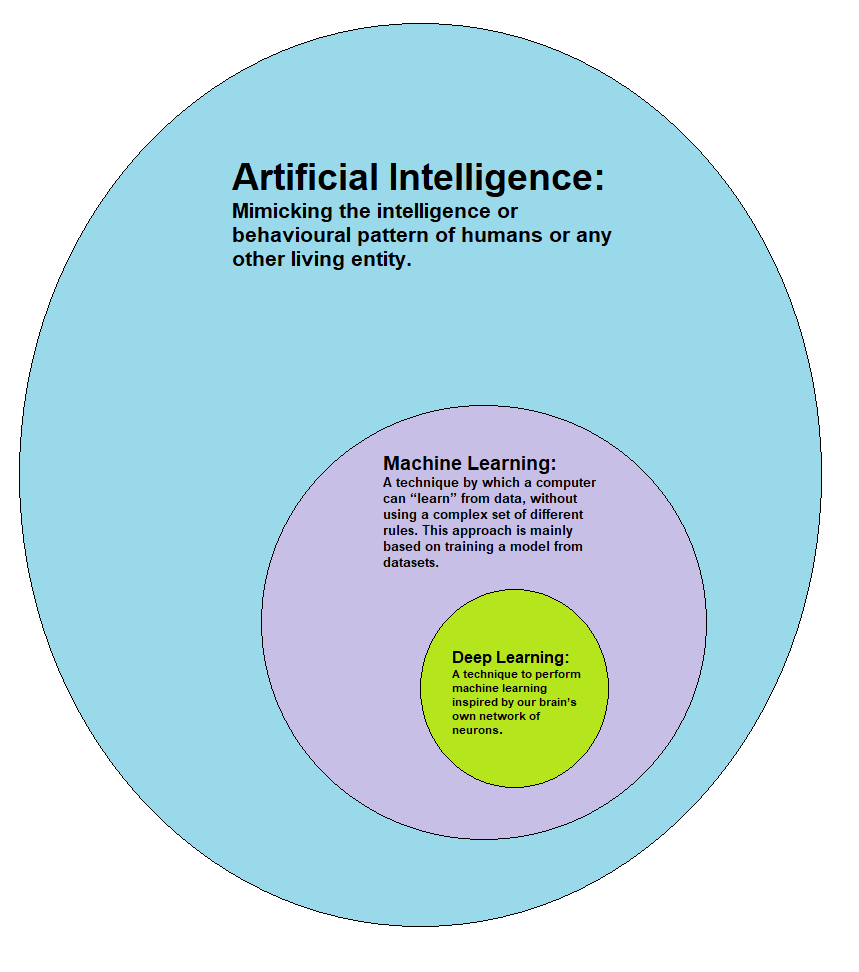
One of the most significant breakthroughs in AI has been the rise of machine learning. Instead of trying to teach a computer every rule for a task, machine learning allows the computer to learn the rules for itself by looking for patterns in data.
Think of it like learning to spot spam emails. You could try to write a rule for every possible spam keyword. Or, you could show a machine thousands of examples of spam and non-spam emails and let it figure out the common features of spam on its own. The second approach is machine learning.
Machine Learning
noun
A subset of artificial intelligence that gives computers the ability to learn without being explicitly programmed.
So, what's the difference? AI is the broad concept of intelligent machines. Machine Learning is a specific, and currently the most successful, way to achieve AI.
The Spectrum of AI
AI systems can be categorized by their capabilities. This helps us understand what AI can do today and what it might do in the future.
| Type | Description | Example |
|---|---|---|
| Artificial Narrow Intelligence (ANI) | Specializes in one specific task. This is the only type of AI we have achieved so far. | A language translation app, a self-driving car, or a spam filter. |
| Artificial General Intelligence (AGI) | Has the ability to understand, learn, and apply knowledge across a wide range of tasks at a human level. | This is the type of AI often seen in science fiction, like the android Data from Star Trek. It does not yet exist. |
| Artificial Superintelligence (ASI) | An intellect that is much smarter than the best human brains in virtually every field. | A hypothetical future AI that could solve major world problems far beyond our own capabilities. |
The journey from narrow AI to a potential superintelligence is a long road, with general intelligence being a huge and complex milestone that researchers are still working towards.
AI in the Wild
You interact with AI and machine learning every day, often without realizing it. These technologies are powering countless services and industries.
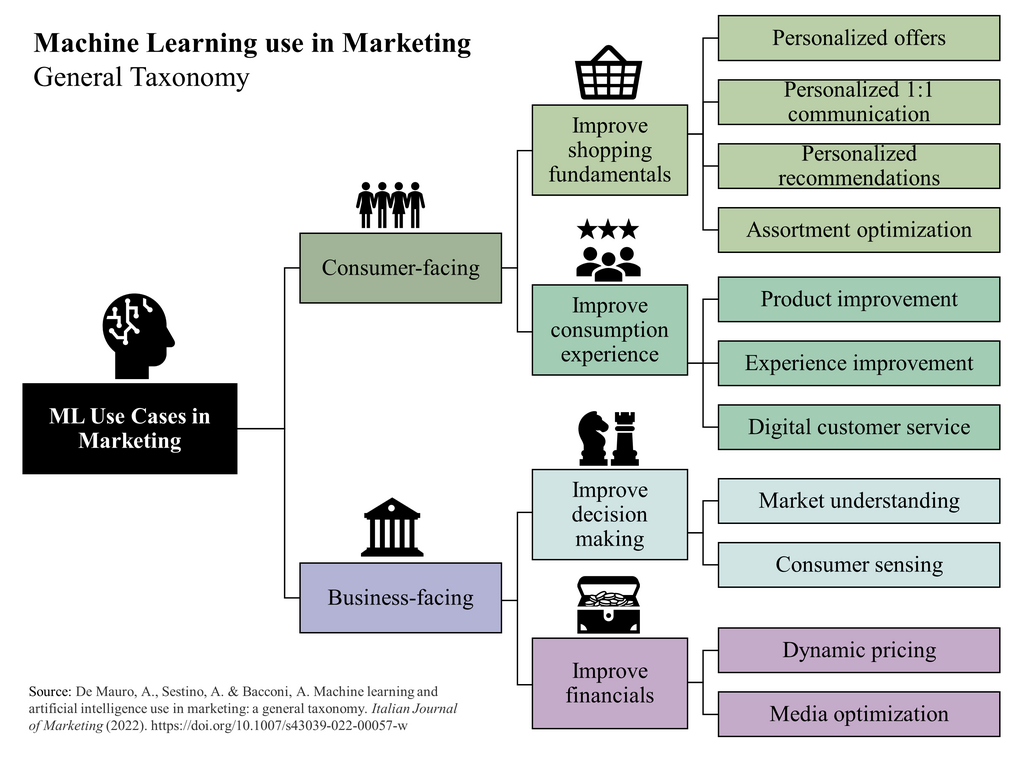
In healthcare, AI helps doctors analyze medical images like X-rays and MRIs to spot diseases earlier and more accurately. Financial institutions use ML to detect fraudulent transactions in real-time, protecting customers from theft. When you binge-watch a show on a streaming service, an ML algorithm is working behind the scenes to recommend what you should watch next based on your viewing history.
AI is also transforming retail with personalized shopping experiences and helping farmers optimize crop yields through data analysis. It's the engine behind your smart home devices, the virtual assistant in your phone, and the system that filters spam from your inbox. The applications are vast and continue to grow as the technology advances.
This is just the beginning. By understanding the basics of AI and ML, you're better equipped to see how these powerful tools are shaping our world.
What is the primary goal of artificial intelligence?
The term 'artificial intelligence' was first coined at a workshop in 1956 at which institution?