AI and Human Science for Understanding Humans
Introduction to AI and Human Cognition
What is AI?
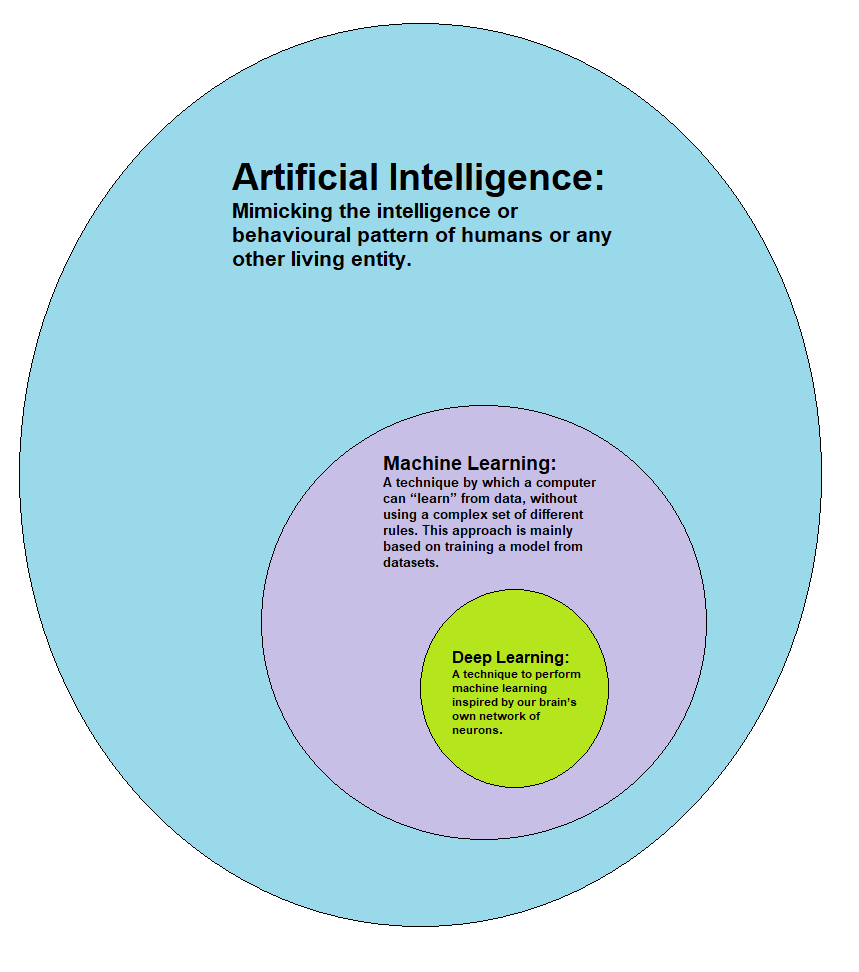
Artificial intelligence, or AI, is the science of making machines that can think or act like humans. The goal is to create systems that can perform tasks that normally require human intelligence, like understanding language, recognizing images, and making decisions. The idea isn't new. Philosophers have long wondered if we could create artificial beings. But it wasn't until the mid-20th century, with the invention of computers, that AI became a real field of study.
At its core, AI is about simulating intelligence. This could mean mimicking how a person reasons through a problem or simply achieving the same result, even if the method is different.
Early AI systems were often based on a set of rules. A programmer would write explicit instructions for every possible situation. For example, a chess program would have rules like, "If the opponent's king is in this position, move the rook here." This works for games with clear rules, but it falls short in the messy, unpredictable real world.
How AI Learns
Modern AI is different. Instead of being programmed with rules for every situation, it learns from data. This approach is called machine learning. Think of it like teaching a child to recognize a cat. You don't list out all the rules for what makes a cat. You just show them lots of pictures of cats. Eventually, they learn to spot a cat on their own, even if they've never seen that specific one before. Machine learning algorithms do the same thing, but with massive amounts of data.
One of the most powerful types of machine learning is inspired by the human brain. It's called a neural network. A neural network is made of interconnected nodes, or "neurons," that process information. When the network is fed data, the connections between these neurons are adjusted. This process is how the network "learns" to find patterns, much like our own brains form connections as we learn new things.
The Human Mind
To understand how AI can mimic human intelligence, we first need to understand how we think. This is the domain of cognitive science, the study of the mind and its processes. Our minds are constantly performing incredible tasks without us even noticing. Let's look at three key functions.
Perception: This is how we interpret the world around us. When you see the letters on this screen, your brain isn't just seeing shapes. It's perceiving them as words and sentences with meaning. It's the process of turning raw sensory input—light, sound, touch—into a coherent picture of reality.
Memory: This is our ability to store, retain, and recall information. It's not just about remembering facts for a test. It's what allows you to ride a bike, recognize a friend's face, or know that a hot stove is dangerous. Memory provides the context for all our actions.
Decision-Making: Every moment, we make choices. Some are small, like what to eat for lunch. Others are big, like choosing a career. Decision-making involves weighing different options, predicting outcomes, and selecting a course of action based on our goals and knowledge.
These three processes work together seamlessly. Imagine you're driving and the traffic light ahead turns yellow. Your eyes perceive the color change. Your memory tells you that yellow means the light is about to turn red. You then decide whether to speed up or slow down based on your speed and distance from the intersection. All of this happens in an instant.
Where AI Meets Mind
The connection between AI and cognitive science is a two-way street. Early AI researchers drew inspiration from theories about human thought to build their systems. Now, AI is a powerful tool for cognitive scientists to test their own theories about the brain.
By building an AI model that simulates a human cognitive process, like recognizing faces or learning a language, researchers can see if their ideas about how the mind works hold up. If the AI model behaves like a human, the theory might be on the right track. If it fails in ways a human wouldn't, the theory needs rethinking. This intersection is where we can learn more about both artificial and human intelligence, exploring the very nature of thought itself.
What is the primary goal of Artificial Intelligence (AI)?
How did early AI systems primarily operate, according to the text?