AI and Human Rights
Introduction to AI and Human Rights
What Is AI Anyway?
Artificial intelligence, or AI, is the simulation of human intelligence in machines. At its core, it's about creating systems that can learn, reason, perceive, and solve problems. Think of it less as a single technology and more as a broad field of computer science.
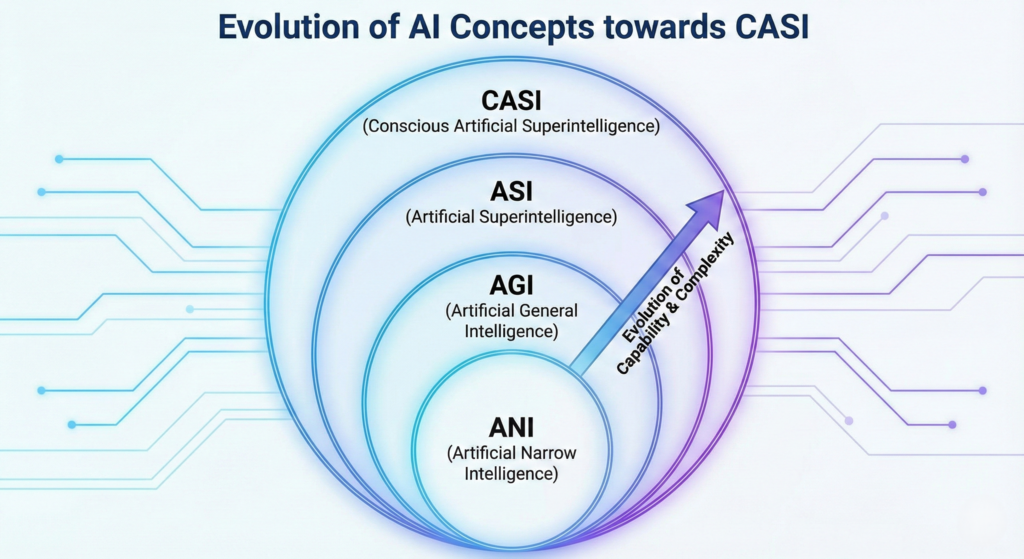
We often categorize AI by its capabilities. Currently, almost all the AI we interact with falls into the first category:
| Type | Name | Description |
|---|---|---|
| ANI | Artificial Narrow Intelligence | Specializes in one task. It might be incredibly good at that task, but it can't operate outside its specific programming. |
| AGI | Artificial General Intelligence | This is the AI you often see in movies. It possesses human-like intelligence and can understand, learn, and apply knowledge across a wide range of tasks. AGI is still theoretical. |
| ASI | Artificial Superintelligence | An intellect that is much smarter than the best human brains in practically every field. Like AGI, this is purely hypothetical for now. |
The progression from narrow, task-specific AI to a more general, human-like intelligence is a key concept in the field.
You already use AI every day. It's the engine that recommends movies on Netflix, the voice assistant that sets your morning alarm, and the software that filters spam from your email. In various sectors, it helps doctors diagnose diseases, financial institutions detect fraud, and farmers monitor crop health.
What Are Human Rights?
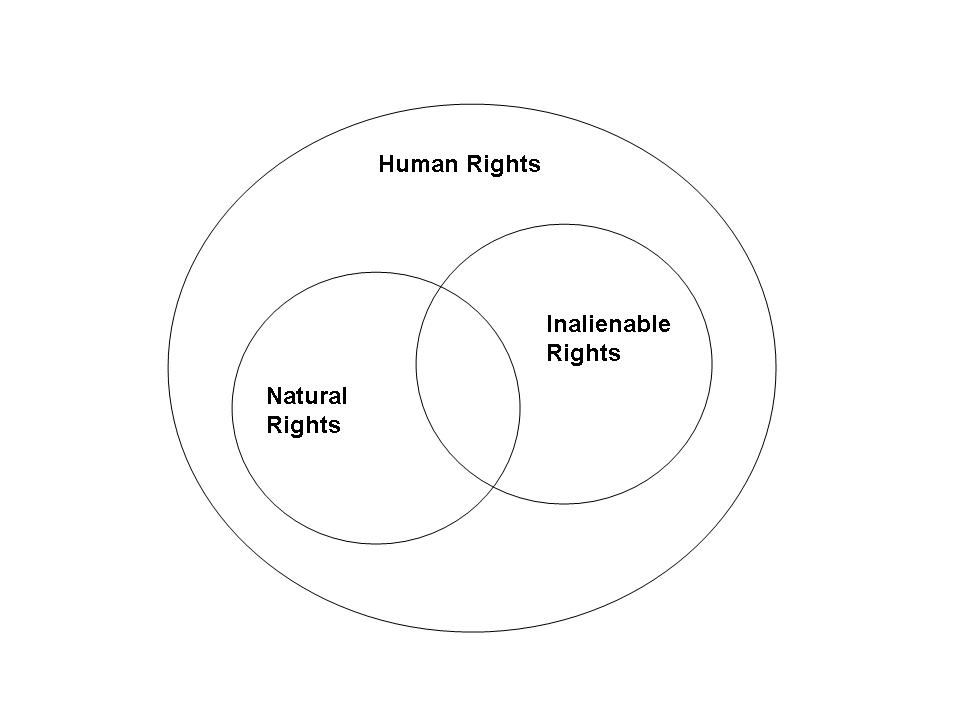
Human rights are fundamental freedoms and protections that belong to every single person, from birth until death. They aren't granted by any state or government. They are inherent to all of us, regardless of nationality, sex, ethnicity, religion, language, or any other status.
The modern foundation for these rights is the Universal Declaration of Human Rights (UDHR), adopted by the United Nations in 1948. It sets out, for the first time, fundamental human rights to be universally protected. It's not a legally binding treaty, but it serves as a global standard.
These rights are universal, inalienable, and indivisible. That means they apply to everyone, they can't be taken away, and they are all interconnected and equally important.
While there are many, some key human rights principles include:
- The right to life, liberty, and security.
- The right to equality and freedom from discrimination.
- The right to privacy.
- Freedom of opinion and expression.
- The right to work and education.
Connecting AI and Human Rights
So, what does a powerful technology like AI have to do with these fundamental rights? Everything. The way AI systems are designed, trained, and used can have profound impacts on our ability to enjoy our basic rights. As AI becomes more integrated into our lives, from job hiring and loan applications to law enforcement and social media, its potential to affect us grows.
The overview discusses how AI is an increasingly powerful tool with potential for good, albeit one with a high risk of negative side-effects that go against fundamental human rights and UN values.
Understanding this connection is the first step toward ensuring that as we develop and deploy these powerful tools, we do so in a way that protects and promotes human dignity and freedom, rather than diminishing them. This requires careful thought and a commitment to ethical principles from the very beginning of the design process.
Let's check your understanding of these foundational ideas.
What is the primary goal of Artificial Intelligence, as described in the text?
According to the text, human rights are granted by governments and can be taken away.
Now that we've established the basics of both AI and human rights, we can begin to explore the specific ways they interact.