AI and Human Cloning
Introduction to AI and Human Replication
What is AI?
Artificial intelligence is the science of making machines that can think like humans. At its core, AI is about creating computer systems that can perform tasks that normally require human intelligence. This includes things like learning from experience, understanding language, recognizing objects and sounds, and solving problems.
In simple terms, AI is computer software that mimics the ways that humans think in order to perform complex tasks, such as analyzing, reasoning, and learning.
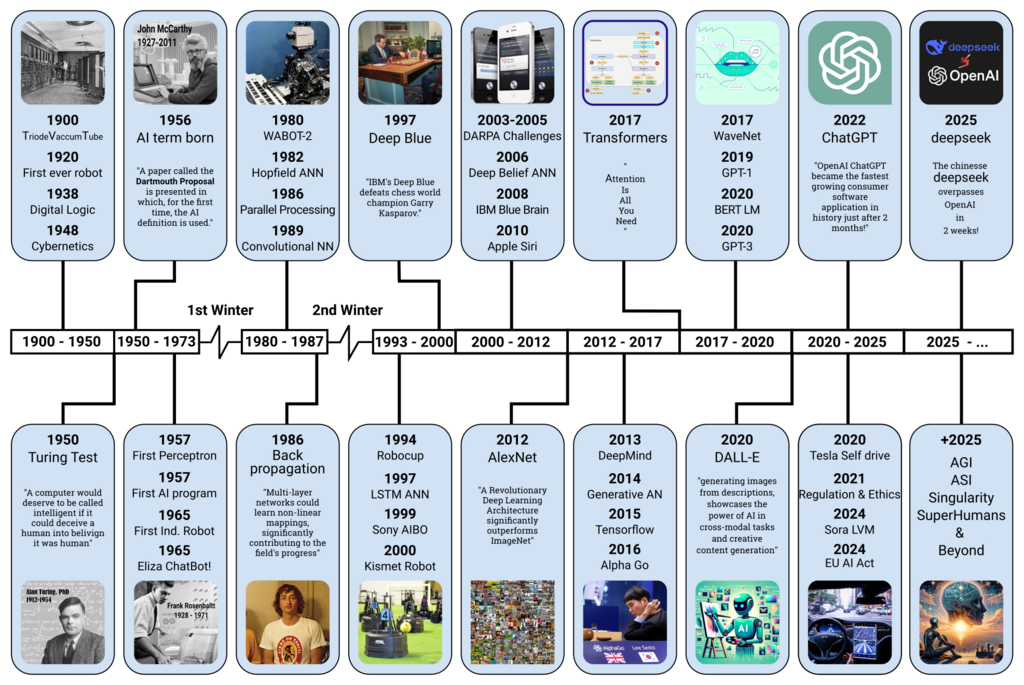
The idea of creating intelligent machines isn't new. It has roots in ancient myths and centuries of philosophical debate about the nature of the mind. But as a formal field of science, AI really began in the mid-20th century. Since then, it has gone through periods of rapid growth and quiet lulls, leading to the powerful tools we see today.
Simulating Humans
Much of AI's development has focused on simulating human behavior. Think about the chatbot on a customer service website. It's designed to understand your questions and provide answers, mimicking a conversation with a real person. Video game characters that react to your actions and virtual assistants that respond to your voice are other common examples.
These systems are trained on vast amounts of data—text, images, sounds—to recognize patterns. This pattern recognition allows them to produce responses that seem intelligent and human-like. When you ask a smart speaker for the weather, it's not understanding the concept of rain. It's matching your sound patterns to a request it knows how to fulfill.
Simulation vs. Replication
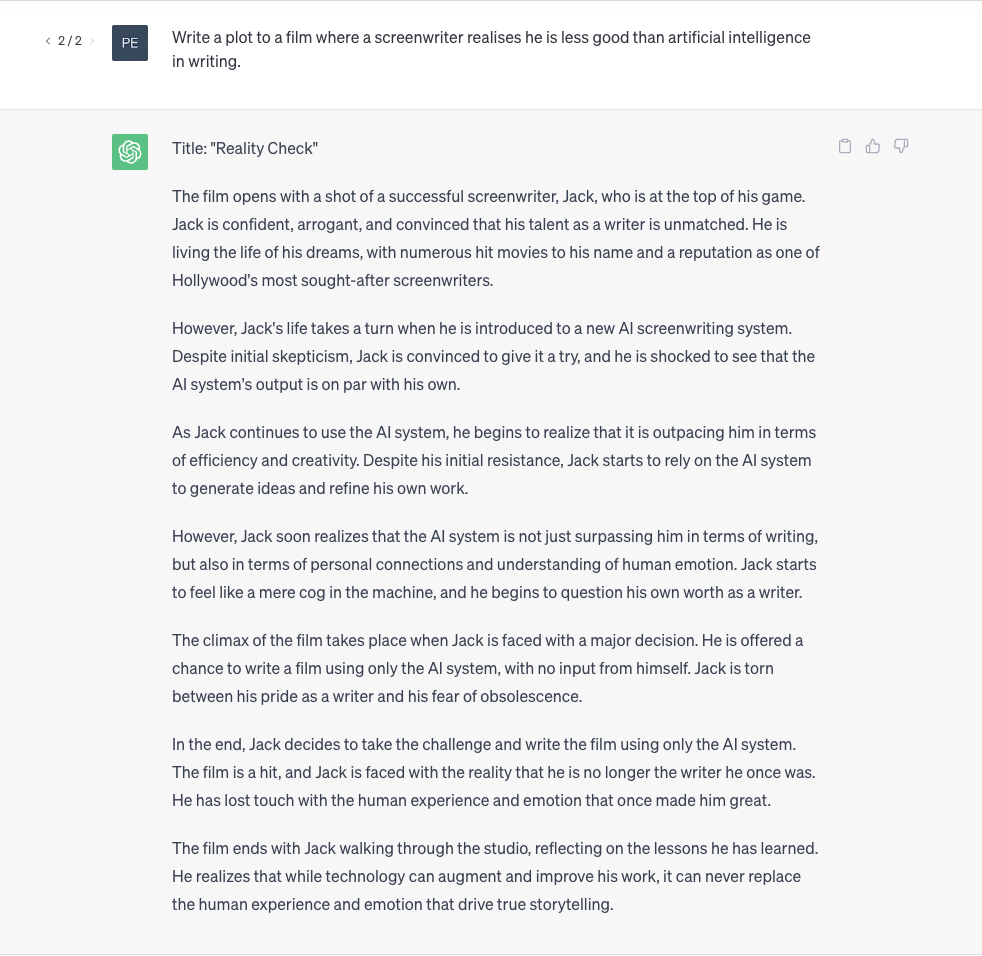
This brings us to a crucial distinction: the difference between simulating a human and actually replicating one. To simulate is to imitate. An AI that can write a poem is imitating the process of writing, but it doesn't feel the emotion it's describing.
Replication, on the other hand, would mean creating a system that possesses genuine understanding, consciousness, and self-awareness. It wouldn't just be acting intelligent; it would be intelligent in the way we are. This is the stuff of science fiction and remains a distant, theoretical goal.
A flight simulator can perfectly mimic the experience of flying a plane, but it will never actually leave the ground. Today's AI is like that simulator. It provides a convincing imitation of human intelligence without possessing the real thing.
All current AI operates in the realm of simulation. It's exceptionally good at mimicking human output, but the underlying mechanism is different. It's about mathematical calculations and data processing, not subjective experience or genuine thought.
Current Capabilities
So what can today's AI actually do? Its ability to mimic human traits is impressive and growing fast. Modern AI systems can:
- Understand and generate language: They can translate between languages, write essays, summarize documents, and carry on conversations.
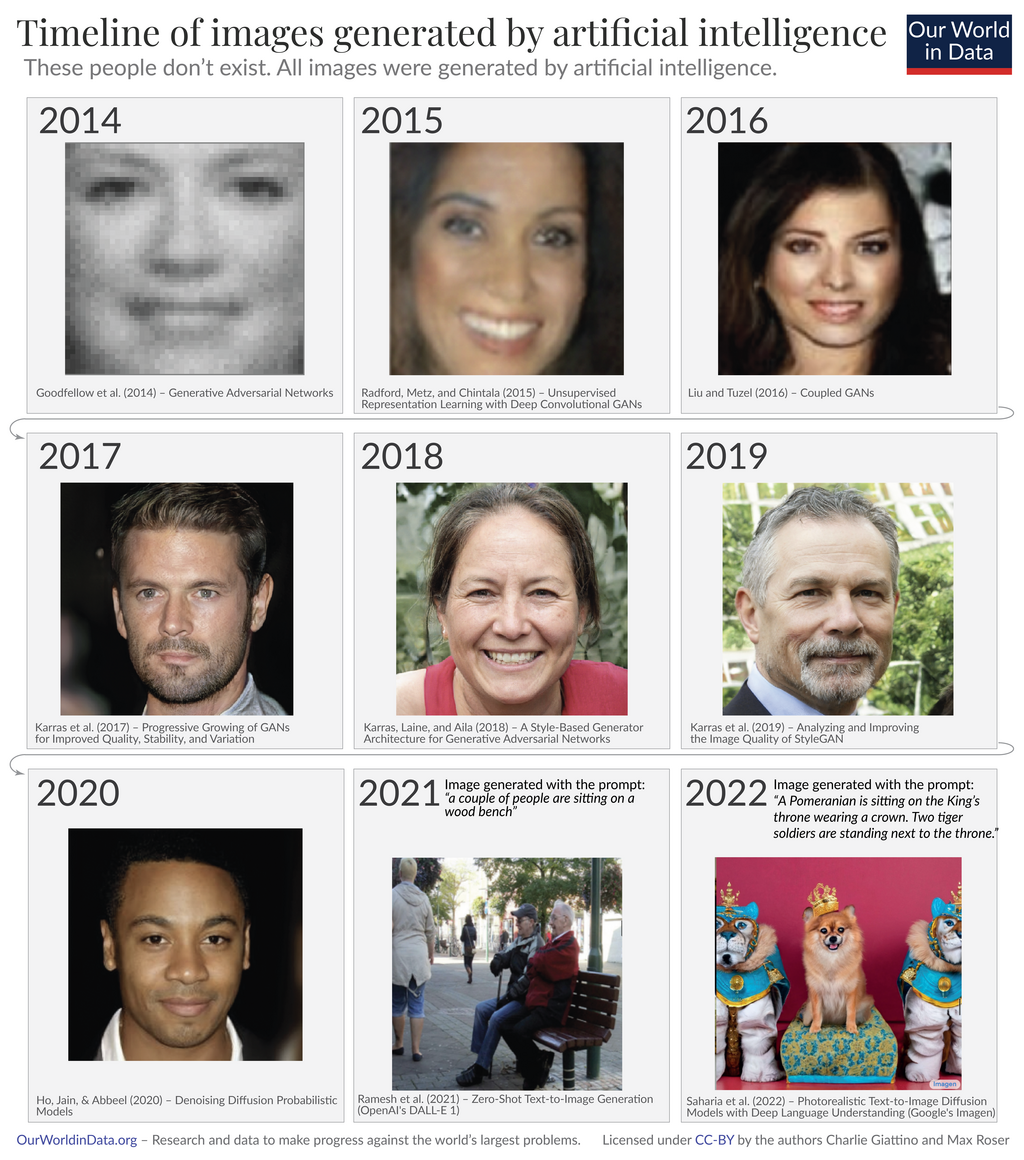
- Recognize visual information: AI can identify people in photos, describe the contents of a video, and even generate brand-new images from a text prompt.
- Solve complex problems: AI helps scientists model climate change, discover new drugs, and find patterns in enormous datasets that no human could analyze alone.
These capabilities are all forms of narrow intelligence, meaning the AI is specialized for a particular task. An AI that's brilliant at playing chess has no idea how to drive a car. While these tools are powerful, they are a long way from the flexible, general intelligence that defines human cognition.
Now, let's review some of the key ideas we've covered.
Ready to check your understanding?
What is the core goal of artificial intelligence as a scientific field?
When an AI system generates a poem, it is demonstrating genuine emotional understanding of the topic.
Understanding the difference between simulating intelligence and replicating it is key. AI is a powerful tool for imitation, but true replication of the human mind remains a frontier for the future.