AI and Data in Financial Tech
Introduction to AI in Financial Services
What is AI in Finance?
Artificial intelligence, or AI, is a broad field of computer science focused on creating systems that can perform tasks that normally require human intelligence. This includes things like learning from experience, understanding language, recognizing patterns, and making decisions. Think of it less as a single technology and more as a powerful toolkit for solving complex problems.
AI in finance is the use of AI-driven technologies, such as machine learning, natural language processing, and predictive analytics, to automate, enhance, and optimize financial services and decision-making.
At its heart, AI in finance is about using data to make smarter, faster, and more accurate choices. Financial institutions sit on mountains of data, from transaction histories and market fluctuations to customer service chats. AI provides the tools to sift through this data, find meaningful connections, and act on them in real-time. This is a big leap from traditional software, which could only follow pre-programmed rules.
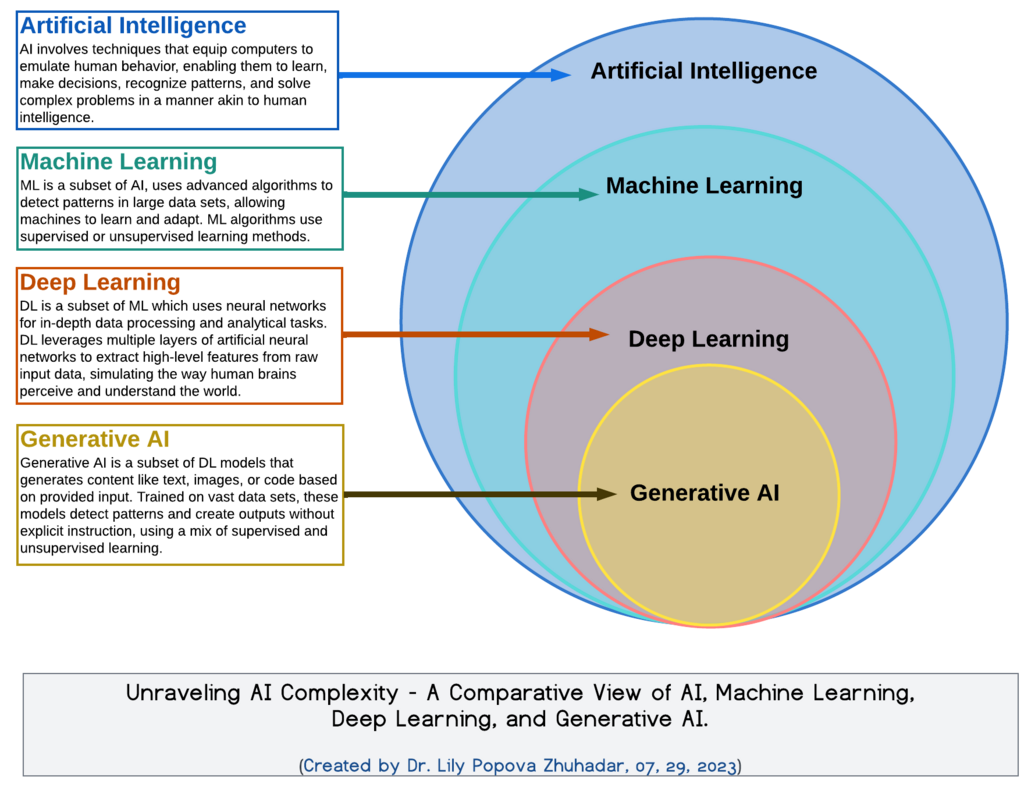
Within the larger field of AI, a key concept is machine learning (ML). This is a type of AI where systems aren't explicitly programmed for every task. Instead, they are trained on large datasets, allowing them to learn patterns and improve their performance over time. A more advanced subset of this is deep learning, which uses complex structures called neural networks to mimic the human brain's learning process, enabling it to tackle even more sophisticated problems.
From Abacus to Algorithms
The idea of using machines for financial calculation is as old as the abacus. But AI's journey in finance is much more recent. In the early days, starting in the 1980s, banks used simple AI systems called "expert systems" to capture the knowledge of human specialists for tasks like loan approvals. These systems were rigid and based on a fixed set of if-then rules.
The real shift began with the explosion of data and computing power in the 21st century. The rise of machine learning allowed for the creation of more dynamic and adaptive systems. Early applications focused on algorithmic trading, where computers could execute trades at speeds no human could match, and fraud detection, where algorithms learned to spot unusual transaction patterns that might signal theft.
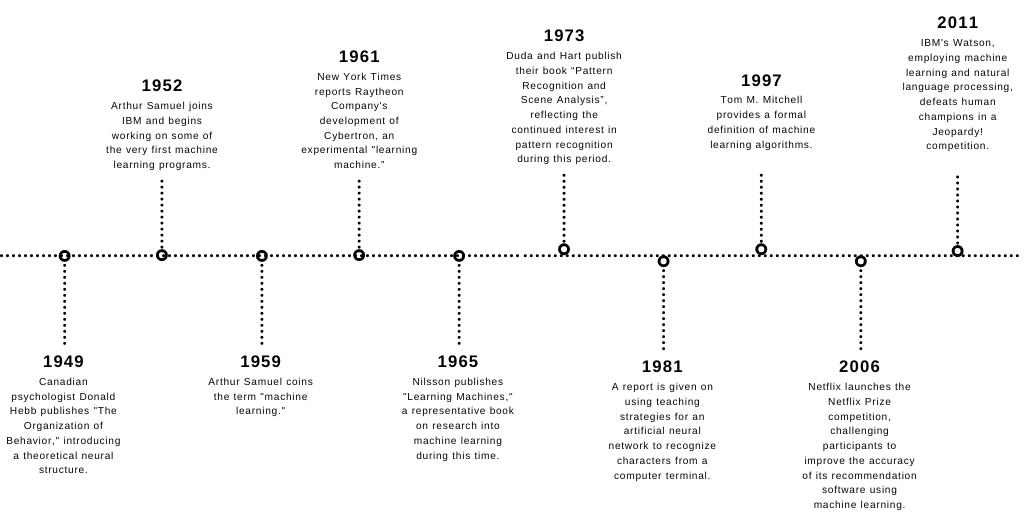
Today, AI is no longer a niche tool for specialized tasks. It has become a core component of the financial industry, integrated into everything from customer-facing chatbots to complex risk management models that predict market movements. This evolution was driven by the need to handle massive amounts of data efficiently and to provide more personalized and secure services to customers.
AI at Work in Your Wallet
So what does AI actually do in finance? Its applications are widespread and growing every day. They generally focus on making services faster, more secure, and more personal.
The primary benefits of AI in finance are increased efficiency, enhanced data analysis for better decision-making, and improved customer experiences.
Here are some of the most common applications:
-
Fraud Detection: AI systems monitor your transactions in real-time, learning your typical spending habits. If a transaction suddenly appears that doesn't fit your pattern—like a large purchase in a different country—the system can flag it and even block it, protecting you from fraud before you even notice.
-
Credit Scoring: Instead of relying on a few traditional data points, AI models can analyze thousands of variables to create a more accurate and nuanced picture of an individual's creditworthiness. This can help expand access to credit for people who might be overlooked by older models.
-
Algorithmic Trading: In the stock market, speed is everything. AI-powered trading systems can analyze market data, predict price movements, and execute trades in fractions of a second. This is known as high-frequency trading and now accounts for a huge portion of market activity.
-
Customer Service: Many banks now use AI-powered chatbots to answer common customer questions 24/7. These bots can handle routine requests like checking a balance or transferring money, freeing up human agents to deal with more complex issues.
-
Personalized Banking: AI helps your bank understand your financial habits and goals. It can then offer personalized advice, suggest savings plans, or recommend products that are actually relevant to you, moving beyond one-size-fits-all banking.
Challenges and Roadblocks
Despite its many benefits, adopting AI in finance isn't without its challenges. These are not just technical hurdles but also significant ethical and regulatory questions that the industry is still grappling with.
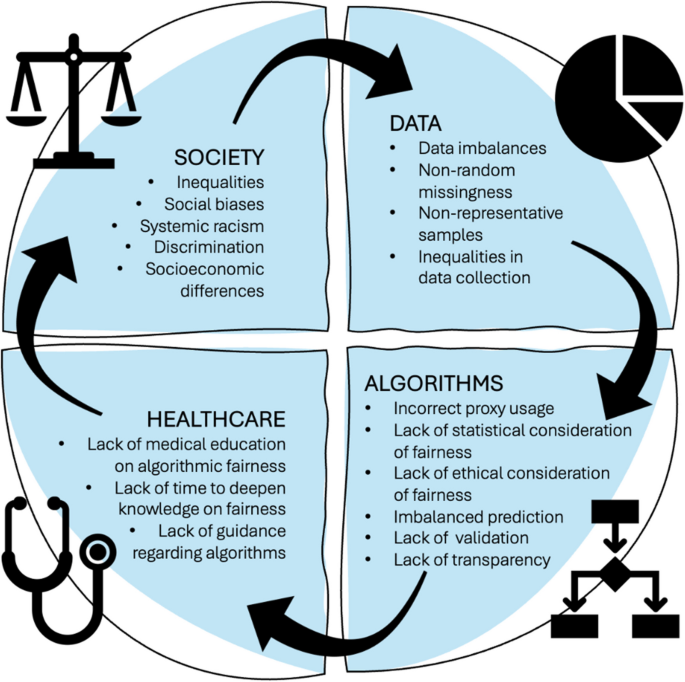
One of the biggest risks is algorithmic bias. If the data used to train an AI model reflects existing societal biases, the model will learn and potentially amplify them. For example, a credit scoring model trained on historical data might unfairly discriminate against certain demographic groups, even if the algorithm itself has no explicit rules about race or gender.
Data privacy and security are also major concerns. AI systems require vast amounts of personal data to function effectively, making financial institutions a prime target for cyberattacks. Ensuring this data is protected while still being useful is a constant balancing act.
Another challenge is the "black box" problem. Some of the most powerful AI models, especially in deep learning, are so complex that even their creators don't fully understand how they arrive at a specific decision. This lack of transparency can be a huge problem in a highly regulated industry like finance, where banks need to be able to explain why, for instance, a loan application was denied.
Finally, there's the ongoing debate about the impact on jobs. While AI is creating new roles for data scientists and AI specialists, it's also automating many tasks traditionally performed by humans, from data entry to financial analysis. Managing this transition is a key challenge for both the industry and society as a whole.
Ready to test your knowledge? This quiz will cover the key ideas introduced in this section.
What is the primary role of artificial intelligence (AI) in the financial industry?
Which AI application involves analyzing market data to execute trades in fractions of a second?
As we've seen, AI is more than just a buzzword in finance. It's a fundamental shift in how financial services are delivered, offering powerful tools for efficiency and personalization while also presenting new and complex challenges.