AI and Agents Explained
Introduction to Artificial Intelligence
What Is AI Anyway?
Artificial Intelligence is about making machines smart. The goal is to create systems that can perform tasks that typically require human intelligence, like learning, reasoning, problem-solving, and understanding language. Think of it less as building a robot that looks human and more as creating software that thinks and learns like one.
Artificial Intelligence
noun
A branch of computer science dedicated to creating systems capable of performing tasks that normally require human intelligence.
AI isn't a single technology. It's a broad field that contains many specialized areas. At its core, AI is about pattern recognition and making predictions. Just as a child learns to identify a cat after seeing a few examples, an AI system learns by analyzing vast amounts of data.
A Quick Trip Through Time
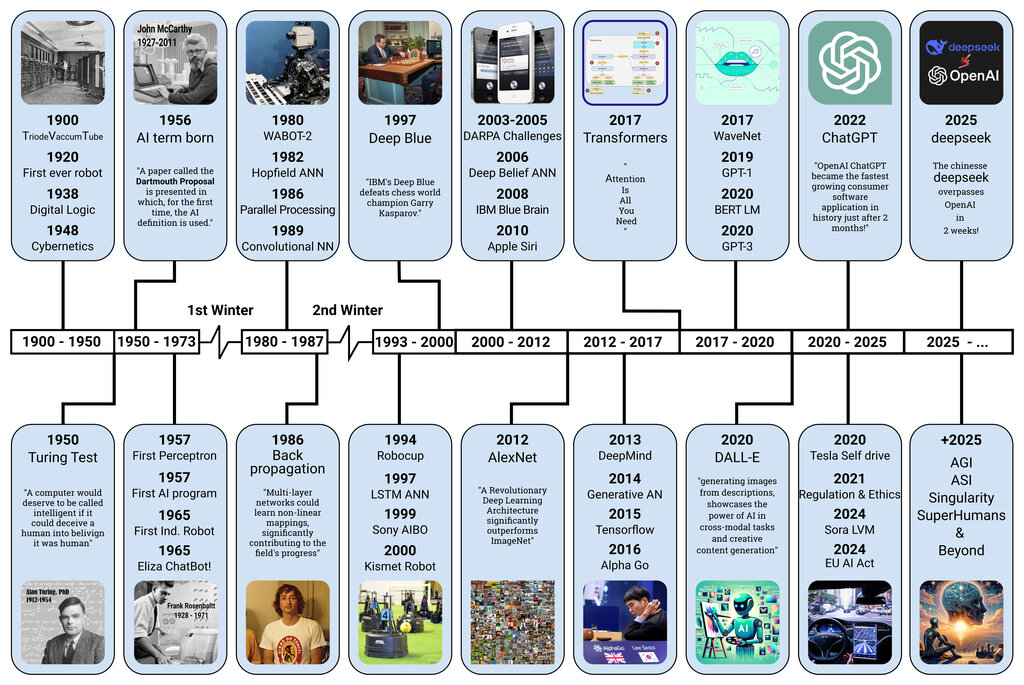
The dream of intelligent machines is ancient, but the formal study of AI began in the 1950s. The term "Artificial Intelligence" was coined at a workshop at Dartmouth College in 1956. Early researchers were incredibly optimistic, believing that a machine as intelligent as a human being was just a few decades away.
Progress wasn't always a straight line. The field experienced periods of high expectations followed by "AI winters," when funding dried up and public interest faded. These cycles were often caused by the massive computational power required, which simply wasn't available yet.
Everything changed with the rise of the internet, big data, and powerful, affordable computers. Suddenly, the data and processing power needed to train complex AI systems became widely accessible, leading to the AI boom we see today.
The Branches of AI
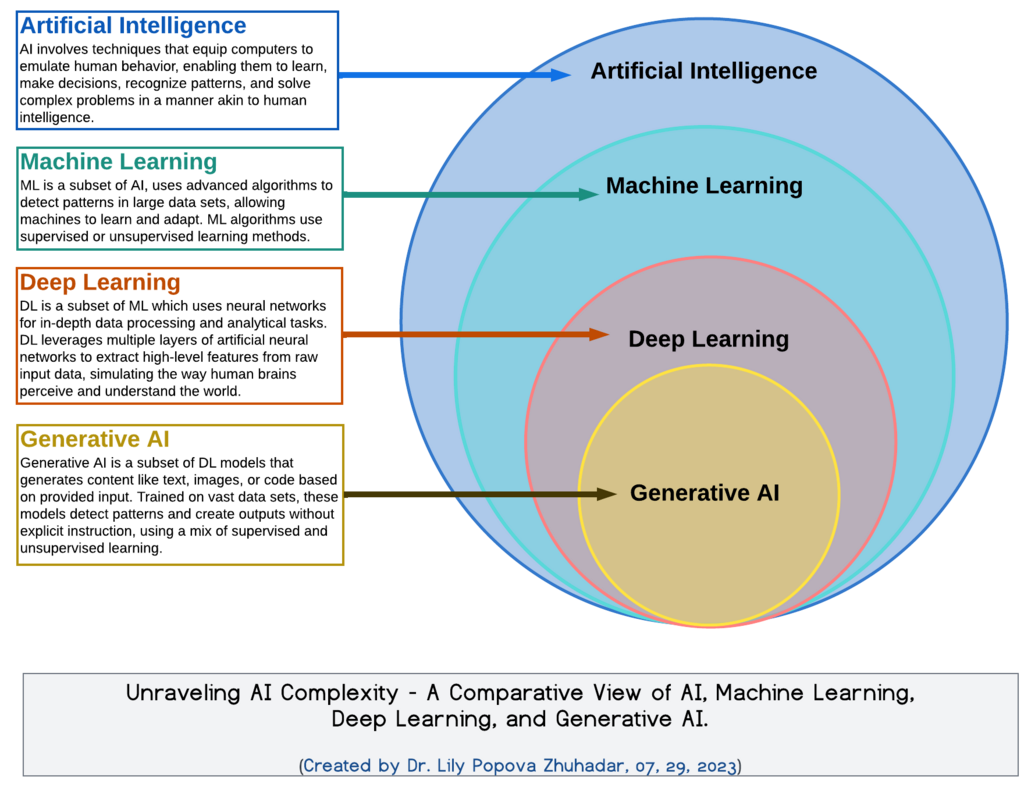
AI is a vast umbrella term. Underneath it are several key subfields, each focused on a different aspect of intelligence.
Machine Learning (ML) is the engine of modern AI. Instead of programming a computer with explicit rules, we give it data and let it learn the rules for itself. It's how your email filters out spam and your streaming service recommends movies.
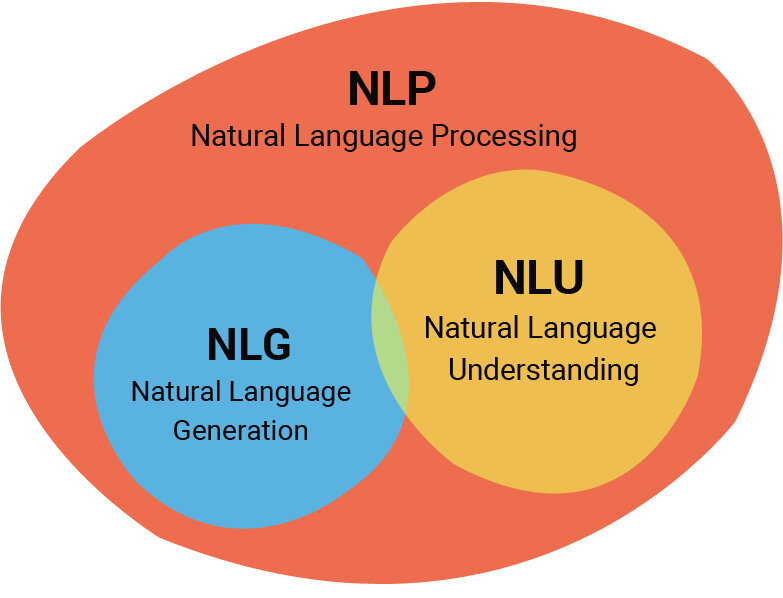
Natural Language Processing (NLP) gives machines the ability to understand, interpret, and generate human language. This is what powers digital assistants like Siri and Alexa, as well as language translation apps. It bridges the gap between human communication and computer understanding.
Computer Vision aims to give machines the ability to see and interpret the visual world. It's the technology behind facial recognition, self-driving cars navigating roads, and apps that can identify a plant from a photo.
Ethics and Society
As AI becomes more powerful, its impact on society grows. This brings up important ethical questions that we must consider. How do we ensure AI systems are fair and don't perpetuate human biases? Who is responsible when an AI makes a mistake?
One of the biggest concerns is bias. If an AI is trained on biased data, its decisions will also be biased. For example, an AI hiring tool trained on historical data from a male-dominated industry might unfairly penalize female candidates. Building fair and transparent AI is a major challenge.
It is critical to consider the ethical implications of using these platforms and, perhaps more so, the processing of creating AI tools.
Beyond bias, AI is changing the job market, raising privacy concerns through data collection, and even impacting how we interact with each other. Navigating these changes requires careful thought and planning to ensure AI is developed and used responsibly for the benefit of everyone.
Now, let's test your understanding of these foundational concepts.
What is the primary goal of Artificial Intelligence?
In the history of AI, what does the term "AI winter" refer to?
AI is a powerful and rapidly evolving field. Understanding these core concepts is the first step to grasping its potential and its challenges.