AI Algorithms for Medical Practice
Introduction to AI in Healthcare
AI in the Doctor's Office
Artificial intelligence in medicine isn't about robot surgeons taking over. It's about giving human doctors powerful tools to help them do their jobs better. The idea has been around for decades, starting with simple systems that tried to mimic a doctor's reasoning. Early programs could suggest diagnoses based on a list of symptoms, but they were limited.
Today, AI in healthcare has evolved dramatically. Modern systems use machine learning to learn from vast amounts of medical data—from patient records and lab results to medical images and genetic information. Instead of just following pre-programmed rules, they can identify patterns and make predictions, getting smarter and more accurate over time.
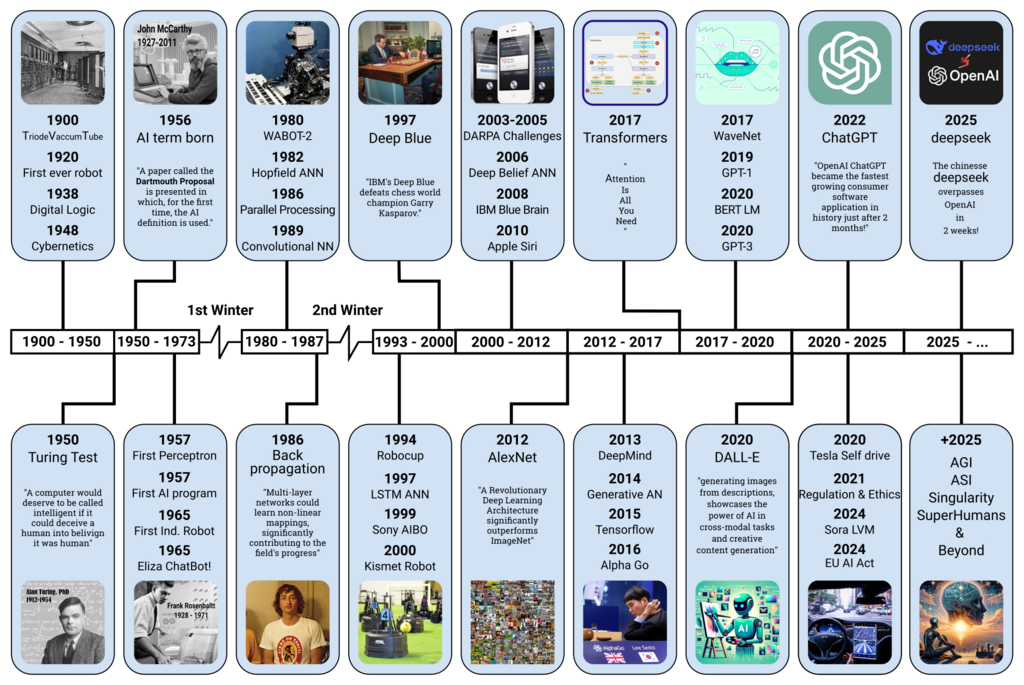
Current trends see AI making inroads in almost every area of healthcare. It's helping radiologists spot signs of cancer in X-rays and CT scans with greater accuracy. It's powering algorithms that predict which patients are at high risk for certain diseases, allowing for earlier intervention. AI is also speeding up the long and costly process of discovering new drugs by simulating how different molecules might work.
A Smarter Second Opinion
One of the most significant applications of AI is in Clinical Decision Support Systems (CDSS). Think of a CDSS as an intelligent assistant for a doctor. These systems analyse a patient's data in real-time and provide prompts, reminders, and relevant information at the point of care.
When powered by AI, a CDSS can sift through a patient's entire medical history, compare it with millions of other cases, and cross-reference the latest medical research—all in a matter of seconds. This helps a doctor consider diagnoses they might have overlooked or choose the most effective treatment plan based on the latest evidence.
AI helps doctors process huge datasets, spot subtle patterns, and make more informed decisions, faster.
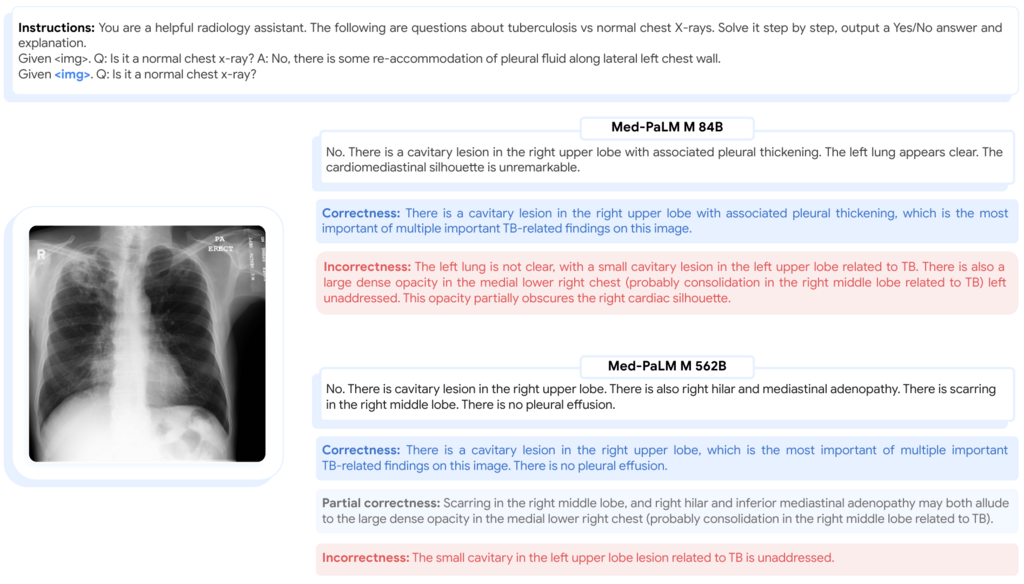
For example, an AI-powered system might analyse a chest X-ray and highlight a tiny, suspicious-looking nodule that the human eye could easily miss. Or it might flag a potential drug interaction for a patient taking multiple medications. These are not replacements for a doctor's expertise, but powerful tools for augmenting it.
Navigating the Challenges
The integration of AI into healthcare is not without its hurdles. One of the biggest concerns is data privacy. Health records contain some of our most sensitive personal information, and ensuring this data is used securely and ethically is paramount.
Another major challenge is algorithmic bias. An AI model is only as good as the data it's trained on. If the training data comes from a specific demographic group, the AI may not be as accurate for patients from other backgrounds. This could lead to health disparities and unequal care. It's crucial to ensure that AI systems are trained on diverse and representative datasets.
As the enthusiasm for integrating artificial intelligence (AI) into clinical care grows, so has our understanding of the challenges associated with deploying impactful and sustainable clinical AI models.
Finally, there's the 'black box' problem. Some advanced AI models are so complex that even their creators don't fully understand how they arrive at a specific conclusion. For doctors to trust and use AI recommendations, the systems need to be transparent and explainable. A doctor needs to know why the AI is suggesting a particular diagnosis or treatment.
Keeping the Human in the Loop
This brings us to the most important principle of AI in medicine: human oversight. AI tools are meant to support, not replace, medical professionals. The final decision must always rest with a human doctor who can consider the nuances of a patient's situation, apply their own expertise, and communicate with empathy.
Healthcare is deeply human. It involves trust, communication, and a holistic understanding of a patient's life, not just their data. Effective AI integration keeps the clinician firmly in control, using the technology as a tool to enhance their own judgment and expertise. The goal is a partnership between human intelligence and artificial intelligence, leading to better outcomes for everyone.
What is the primary role of Artificial Intelligence (AI) in medicine as described in the text?
According to the text, what is 'algorithmic bias' in the context of medical AI?
By combining the analytical power of machines with the wisdom and compassion of human experts, AI is set to become an indispensable part of modern medicine.