AI Algorithms Explained
Introduction to Artificial Intelligence
What Is Artificial Intelligence?
Artificial Intelligence, or AI, is about creating computer systems that can perform tasks that usually require human intelligence. This includes things like learning from experience, solving problems, understanding language, and recognizing objects in images.
Think of it this way: We're teaching machines to think, reason, and adapt, much like we do.
At its core, AI isn't one single technology. It's a broad field of computer science with many different approaches and goals. Some AI is designed for a very specific task, like playing chess or filtering spam emails. Other, more advanced systems aim for a more general intelligence that can handle a wide variety of challenges. The common thread is the ability to process information and make decisions or predictions based on that data.

A Quick Trip Through Time
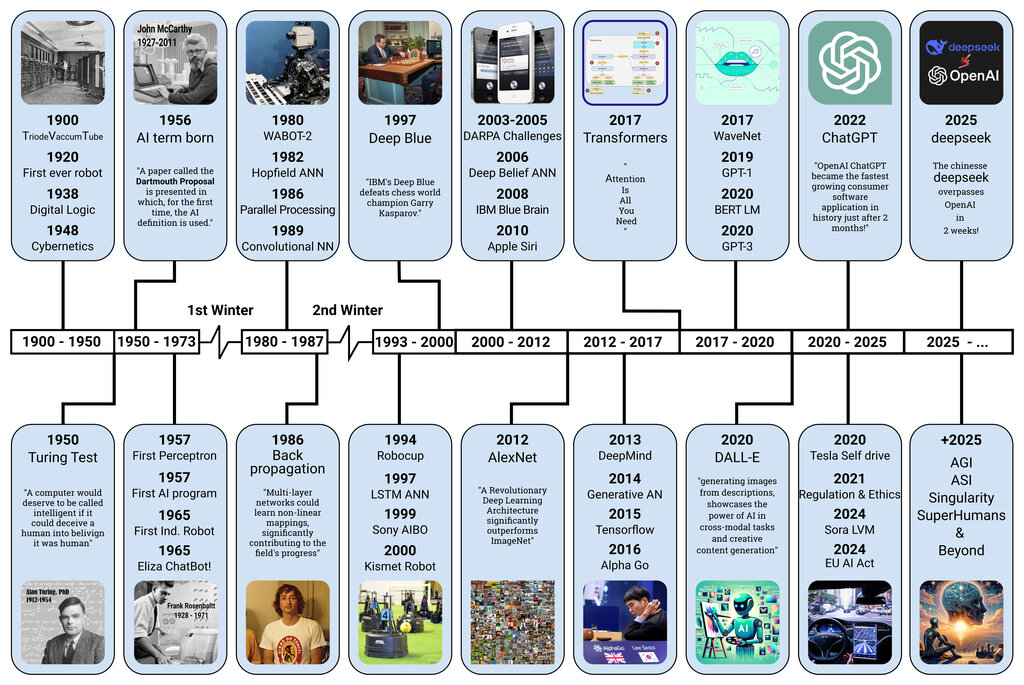
The idea of intelligent machines has been around for centuries, but the formal field of AI research began in the 1950s. A key moment was the Dartmouth Workshop in 1956, where the term "Artificial Intelligence" was first coined. Early researchers were optimistic, predicting that machines with human-level intelligence were just a few decades away.
Progress wasn't always a straight line. The field went through several "AI winters," periods when funding dried up and public interest waned because the technology couldn't live up to the initial hype. However, breakthroughs in the last few decades, fueled by massive increases in computing power and the availability of huge datasets, have led to the AI boom we see today.
AI in Your Daily Life
You might not always notice it, but AI is already a part of your everyday routine. It's the technology that powers the recommendation engines suggesting what you should watch or listen to next. It's behind the voice assistants on your phone and in your home, and it helps your navigation app find the fastest route while avoiding traffic.
These applications work by analyzing vast amounts of data to identify patterns and make predictions. Your music app learns your taste by looking at the songs you play, skip, and save. Your email provider spots spam by recognizing patterns common in junk mail. Here are a few more common examples.
| Application | How AI is Used |
|---|---|
| Spam Filters | Identifies and blocks unwanted emails based on content and sender patterns. |
| Recommendation Engines | Suggests movies, products, or music based on your past behavior. |
| Voice Assistants | Understands spoken commands and retrieves information or performs actions. |
| Navigation Apps | Analyzes real-time traffic data to calculate the best route. |
| Online Search | Ranks web pages to provide the most relevant results for your query. |
This is just the beginning. AI is also being used in more complex fields like medical diagnosis, scientific research, and financial modeling, helping experts make better, more informed decisions.
Ready to check your understanding? Let's review what we've covered.
What is the core concept of Artificial Intelligence (AI)?
The term "Artificial Intelligence" was first coined at which key historical event?
AI is a powerful and rapidly evolving field. By understanding its basic definition, history, and applications, you have a solid foundation for exploring this transformative technology.