AI Agents in Software Testing
Introduction to AI in Software Testing
The Evolution of Testing
Software testing used to be a very human-driven process. A team of quality assurance (QA) testers would manually click through an application, following a script of steps to see if anything broke. They’d pretend to be a user, adding items to a shopping cart or filling out a form, meticulously documenting any bugs they found.
This was slow, expensive, and prone to human error. To speed things up, the industry shifted to automated testing. Engineers wrote scripts that could run these repetitive checks automatically, much faster than any human could. This was a big improvement, but it introduced its own set of problems.
Cracks in the Old Model
Traditional automated tests are rigid. They follow a script exactly as written. If a developer changes the color of a button or moves it a few pixels to the left, the test script might fail, even if the button itself works perfectly. This brittleness means engineers spend a lot of time updating and maintaining tests instead of building new features.
Modern software is incredibly complex and updated constantly. Manually testing every feature is impossible, and traditional automation struggles to keep up with the pace of change.
Furthermore, these old methods struggle to cover the vast number of ways a user might interact with an application. It's simply not practical to write a script for every possible journey through a complex app. Testers often focus on the most common paths, leaving less-traveled routes unchecked and vulnerable to bugs.
AI Enters the Scene
This is where Artificial Intelligence (AI) comes in. In software testing, AI isn't about creating a conscious machine. It's about using smart algorithms that can learn, adapt, and make intelligent decisions to improve the quality of software.
Instead of relying on brittle, pre-written scripts, AI-powered tools can understand an application like a human does. They can see a button is still a button, even if its color or position changes. This makes tests more resilient and drastically reduces the time spent on maintenance.
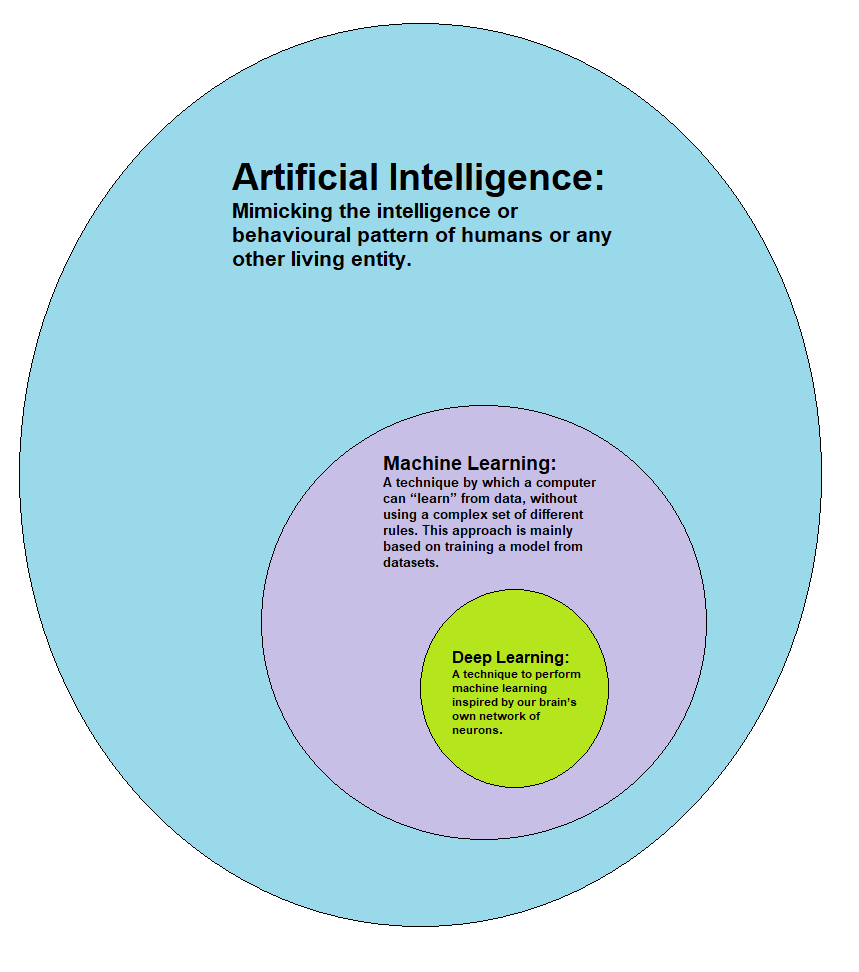
Two key AI techniques are transforming testing: machine learning and predictive analytics.
-
Machine Learning (ML) algorithms can analyze an application's code and user behavior to automatically generate new, relevant test cases. They can learn which parts of the application are most complex or have had bugs in the past and focus testing efforts there.
-
Predictive Analytics uses historical data to forecast where future bugs are most likely to appear. By analyzing past code changes and defect reports, it can flag high-risk areas for testers to investigate before a new release goes out.
When used intentionally, AI becomes a helpful partner that uncovers patterns, sparks ideas, and accelerates testing.
The benefits are significant. AI leads to faster test execution, as smart systems can run thousands of tests in the time it takes a human to run a few. It reduces human error and frees up QA engineers from repetitive tasks, allowing them to focus on more creative, exploratory testing that requires a human touch.
AI Testing in the Real World
Companies are already using AI to solve real-world testing challenges. For example, a large e-commerce site might use AI to test its checkout process across hundreds of different devices and browsers automatically. The AI can intelligently navigate the site, add items to the cart, and complete a purchase, flagging any visual glitches or functional errors it finds along the way.
Another common use is in mobile app testing. An AI-powered tool can crawl a new app, automatically discovering screens and user flows, and then generate tests to ensure every button and link works as expected. This dramatically speeds up the release cycle for new app versions.
By handling the repetitive and time-consuming aspects of quality assurance, AI is not replacing human testers. It's empowering them, turning testing from a bottleneck into a smart, efficient, and integral part of software development.