AI Agents in Digital Marketing
Introduction to AI in Digital Marketing
A New Era in Marketing
For years, digital marketing has been about reaching the right people with the right message. We used tools to automate emails and track website visits, but much of the strategy still relied on educated guesses. Artificial intelligence is changing that. It's moving marketing from a world of automation to one of true intelligence.
Artificial Intelligence (AI) is revolutionizing the digital marketing landscape, allowing businesses to automate processes, analyze data more effectively, and create personalized customer experiences.
The journey started simply. Think of early email marketing systems that would send a follow-up message three days after a customer signed up. This was automation based on simple rules. Today, AI can analyze millions of data points to predict which customer is most likely to buy, what message will resonate with them, and the perfect time to send it. It's a shift from pre-programmed instructions to systems that learn and adapt on their own.
How AI is Changing the Game
AI isn't a single tool; it's a collection of technologies that are being applied across the entire marketing landscape. From the first time a customer sees an ad to the moment they make a purchase, AI is working behind the scenes to make the experience smoother and more effective.
| Application | How AI Helps |
|---|---|
| Personalization | Analyzes user behavior to deliver custom ads, content, and product recommendations in real time. |
| Content Creation | Generates ad copy, blog post ideas, and social media updates, speeding up the creative process. |
| Predictive Analytics | Forecasts market trends and customer behavior, helping marketers make proactive decisions. |
| Chatbots | Provides 24/7 customer support, answering common questions and guiding users through the site. |
| Ad Optimization | Automatically adjusts ad bids and targeting to maximize return on investment (ROI). |
The core benefit tying all these applications together is the ability to process vast amounts of data far beyond human capacity. AI spots patterns and gleans insights that would otherwise remain hidden, allowing for a level of precision that was previously impossible.
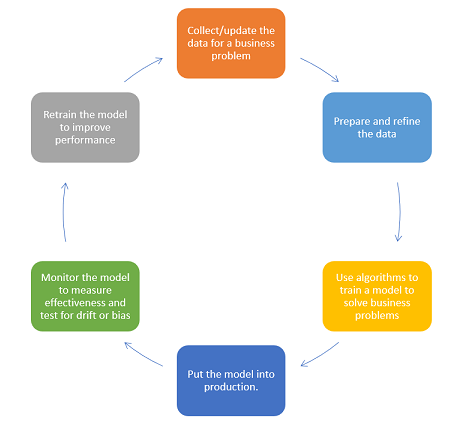
By understanding customers on a deeper level, businesses can create more meaningful connections. This leads to higher engagement, better brand loyalty, and more efficient use of marketing budgets. Instead of casting a wide net, marketers can focus their efforts where they will have the most impact.
The Hurdles to Overcome
Adopting AI isn't as simple as flipping a switch. It comes with its own set of challenges that businesses need to navigate carefully.
The most common roadblock is data. AI systems are powered by data, and if the data is messy, incomplete, or inaccurate, the results will be too. This is the classic "garbage in, garbage out" problem.
Another major challenge is integration. Most companies already have a suite of marketing tools, from customer relationship management (CRM) software to analytics platforms. Getting a new AI system to work seamlessly with this existing "stack" can be technically complex and time-consuming.
Finally, there's the human element. Marketers need to develop new skills to effectively manage AI tools. It's not about becoming a data scientist, but about learning to ask the right questions, interpret AI-driven insights, and oversee the technology to ensure it aligns with the company's strategic goals.
Despite these challenges, a growing number of platforms now offer user-friendly AI features. Many popular marketing tools, from social media schedulers to email platforms, are embedding AI capabilities directly into their products. This makes the technology more accessible, allowing even small teams to start leveraging its power.
What is the primary shift that artificial intelligence brings to digital marketing?
According to the text, how does AI primarily enable more precise marketing?
Successfully navigating the world of AI in marketing means understanding both its potential and its pitfalls. By starting with a clear strategy and a willingness to learn, marketers can unlock a new level of effectiveness.