AI Agents for Software Development Mastery
Introduction to AI in Software Development
From Helper to Teammate
For a long time, software development tools were like a well-organized toolbox. They had syntax highlighting to make code easier to read and basic autocompletion that could finish a variable name you'd already typed. These were helpful, but they were passive. They waited for you to act.
Over the years, these helpers got smarter. They started to understand the context of your code, suggesting entire lines or functions based on what you were trying to do. This was a major leap, turning the tool from a simple assistant into an active collaborator. It was like having a junior programmer looking over your shoulder, offering helpful tips.
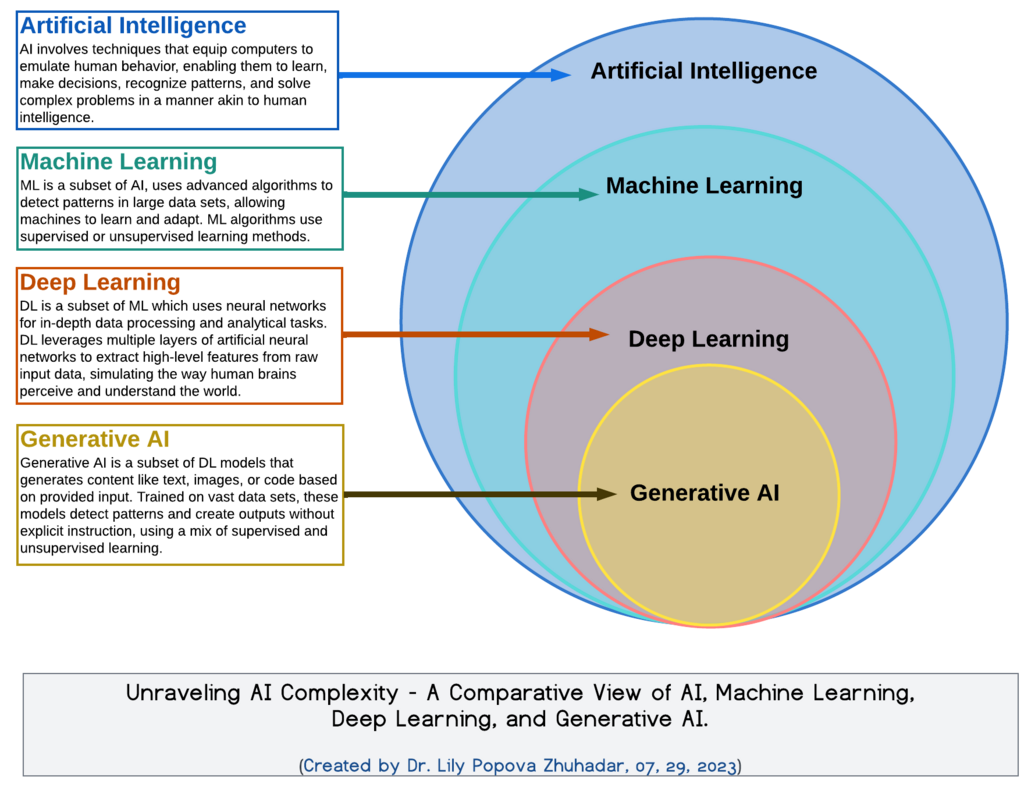
Today, we're entering a new phase. The most advanced AI systems are moving beyond mere collaboration. They are becoming autonomous agents, capable of taking a high-level goal, like "build a login page," and handling much of the process on their own. They can write the code, test it for errors, and even suggest how to integrate it into a larger project. This evolution has fundamentally changed what it means to build software.
Agentic Software Development introduces autonomous AI agents into every phase of the software development lifecycle (SDLC), fundamentally transforming how software is built, tested, deployed, and maintained.
Faster, Smarter, Better?
The most obvious impact of these new tools is a massive boost in productivity. Repetitive, time-consuming tasks that once took hours can now be done in minutes. Developers can focus less on writing boilerplate code and more on solving complex, creative problems. This speeds up the entire development cycle, allowing teams to build and ship products faster than ever before.
Code quality also gets a significant upgrade. AI tools can analyze millions of lines of code from open-source projects, learning common patterns and best practices. They can spot potential bugs, suggest more efficient ways to write a function, and ensure that new code adheres to a project's style guidelines. This constant, automated review helps catch mistakes early, leading to more robust and reliable software.
By automating routine tasks, AI frees up developers to concentrate on innovation and high-level design, rather than getting bogged down in the minutiae of coding.
Navigating the New Landscape
This new power doesn't come without challenges. One of the biggest concerns is security. An AI might inadvertently suggest a piece of code that contains a subtle vulnerability. Because the code looks correct and works as expected, this flaw could go unnoticed, creating a security risk in the final product.
Then there are the thorny issues of intellectual property. AI models are trained on vast amounts of public code. What happens if the AI generates code that is a direct copy of something with a restrictive license? This can create legal headaches for companies and individual developers who might not even be aware they're using licensed code improperly.
| Challenge | Description |
|---|---|
| Security | AI may generate code with hidden vulnerabilities. |
| Licensing | Generated code might violate open-source licenses. |
| Over-reliance | Developers may lose fundamental coding skills. |
| Bias | AI can perpetuate biases present in its training data. |
There's also the human element to consider. As developers lean more on AI, there's a risk of becoming too dependent. Fundamental problem-solving skills and a deep understanding of how code works could atrophy if developers simply accept AI suggestions without critically evaluating them. The goal is to use AI as a collaborator that enhances human skill, not a crutch that replaces it.
Maintaining a balance between AI-generated convenience and the necessity of coding fundamentals is essential for success in the evolving landscape of software development.
Successfully integrating AI into software development means treating it as a powerful tool that requires oversight. It demands a new set of skills: the ability to write clear prompts, critically assess AI-generated output, and understand the ethical and legal landscape. The future isn't about replacing developers; it's about augmenting them.