AI Agents for SaaS Product Management and Marketing
Introduction to AI Agents
What is an AI Agent?
At its core, an AI agent is a system that can perceive its environment and act upon it to achieve specific goals. Think of it as an autonomous entity that makes decisions and takes actions on its own, much like a person would. But instead of eyes and hands, it uses sensors (like data feeds or cameras) to see and actuators (like software commands or robotic arms) to act.
An artificial intelligence (AI) agent is a software system that builds upon AI models (e.g., large language models (LLMs)) and autonomously perceives and acts upon its environment to achieve specific goals.
The key word here is autonomously. A simple calculator isn't an agent; it just responds to button presses. An AI agent, however, has a degree of independence. You give it a goal, and it figures out the steps to get there. This could be as simple as a thermostat turning on the heat when the room gets cold or as complex as a trading bot executing trades to maximize profit.
Types of Agents
Not all agents are created equal. They range from very simple to incredibly complex, depending on their intelligence and capabilities. We can categorize them based on how they make decisions.
The complexity of an agent depends on how much it understands about its environment and what it's trying to accomplish.
Let's break down the main types, starting with the most basic.
| Agent Type | How it Works | Example |
|---|---|---|
| Simple Reflex | Acts only on the current situation. Follows simple if-then rules. | A thermostat turning on the heat if the temperature is below 68°F. |
| Model-Based Reflex | Keeps an internal model of the world. Acts based on both the current situation and its understanding of how the world works. | A self-driving car's brake system, which knows that pressing the pedal now will cause it to slow down in the next moment. |
| Goal-Based | Aims to achieve a specific goal. It considers future actions to find a sequence that reaches its objective. | A GPS navigation app finding the best route to your destination. |
| Utility-Based | Aims for the best outcome when there are multiple goals or paths. It tries to maximize its "utility" or happiness. | An airline's booking system choosing a flight path that balances speed, fuel cost, and passenger comfort. |
| Learning | Can improve its performance over time by learning from experience. It starts with some knowledge and adapts. | A spam filter that gets better at identifying junk mail as you mark more emails as spam. |
Simple reflex agents are reactive, while more advanced agents, like utility-based and learning agents, are proactive and can plan ahead. They don't just react; they strategize.
Where Are Agents Used?
AI agents are already working behind the scenes in many industries. They are the engines that power automation and smart systems.
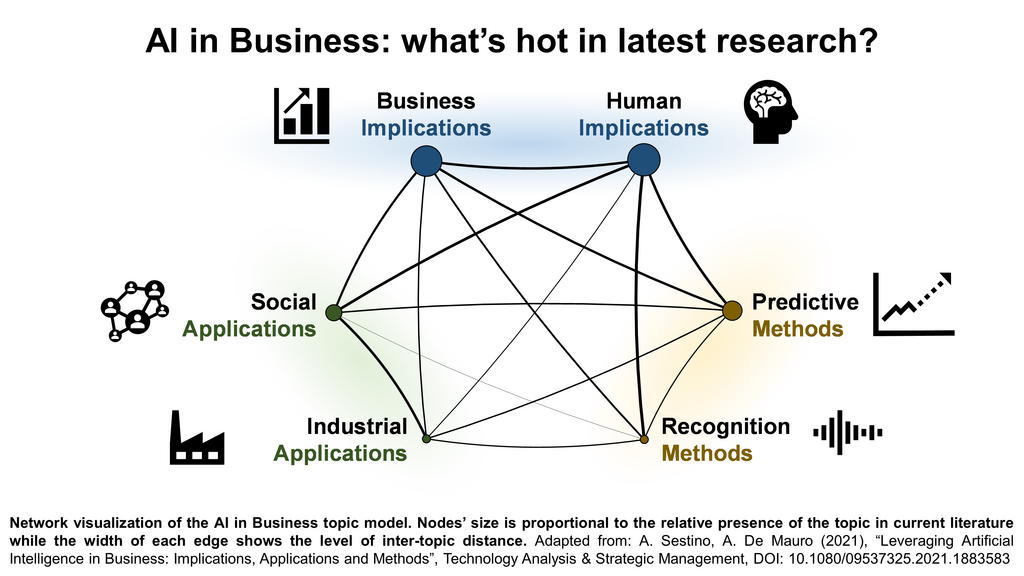
In e-commerce, recommendation engines act as agents that learn your preferences to suggest products you might like. In finance, high-frequency trading bots are agents that execute trades in fractions of a second based on market conditions.
In healthcare, agents can monitor patient data to predict potential health issues or help doctors diagnose diseases from medical images. And in customer service, chatbots are agents designed to understand and answer customer questions, freeing up human staff for more complex problems.
AI agents streamline business operations by automating repetitive tasks, such as data entry, financial reporting, and HR management.
The goal is always the same: to delegate a task to an autonomous system that can perform it efficiently and effectively. As AI models become more powerful, agents are able to handle increasingly complex and creative tasks, moving beyond simple automation to become true digital assistants.
Time to review what you've learned.
Let's check your understanding with a few questions.
What is the most important characteristic that distinguishes an AI agent from a simple computer program like a calculator?
An AI agent perceives its environment and acts upon it using which two components, respectively?
Now you have a solid foundation in what AI agents are, the different types that exist, and where they are used. This understanding is the first step toward building your own automated workflows.