AI Agents for Marketing
Introduction to AI in Marketing
Marketing's New Superpower
Artificial intelligence in marketing isn't about robots dreaming up catchy slogans. It’s about using smart technology to understand customers on a deeper level and connect with them in more meaningful ways. Think of it as a powerful assistant that can analyze vast amounts of data, spot patterns humans might miss, and automate tasks to free up time for creative work.
Artificial Intelligence (AI) is revolutionizing the digital marketing landscape, allowing businesses to automate processes, analyze data more effectively, and create personalized customer experiences.
Instead of casting a wide net and hoping for the best, AI helps marketers deliver the right message to the right person at the right time. This leads to more effective campaigns, happier customers, and a stronger bottom line.
The Brains Behind the Operation
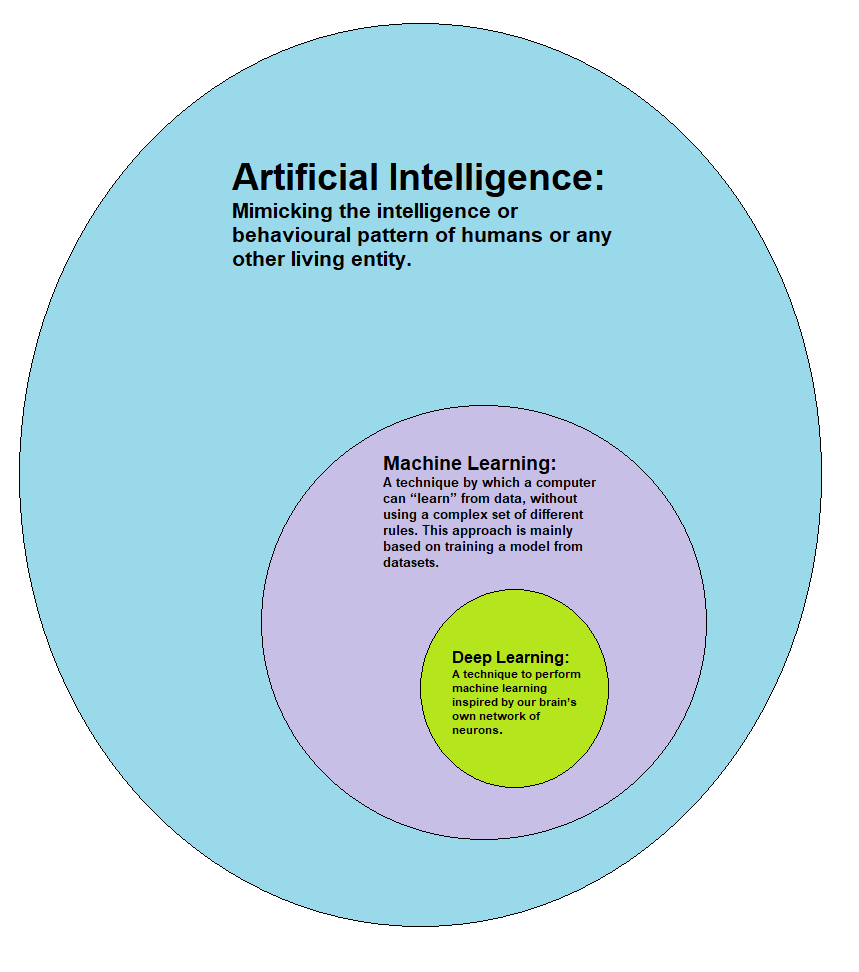
Two key technologies power most of the AI used in marketing today: machine learning and natural language processing.
Machine Learning
noun
A type of AI that enables computer systems to learn from and make predictions based on data, without being explicitly programmed for every task.
Machine learning (ML) is like a detective that gets better with every case. It sifts through huge volumes of customer data—purchase history, browsing behavior, demographics—to identify subtle patterns. This allows it to predict future behavior, such as which customers are likely to churn or what products a specific person might buy next.
Natural Language Processing
noun
A field of AI that gives computers the ability to read, understand, and derive meaning from human language.
Natural Language Processing (NLP) is what allows machines to understand the way we talk and write. It’s the magic behind customer service chatbots that can answer your questions, and it's also used to analyze customer reviews, social media comments, and survey responses to gauge public sentiment about a brand or product.
Smarter, Faster, Better
Integrating AI into marketing isn't just a trend; it's a strategic move with clear benefits. By handling data analysis and automation, AI empowers marketing teams to work more efficiently and make more informed decisions.
The core advantages are deeper personalization, greater efficiency, and data-driven forecasting.
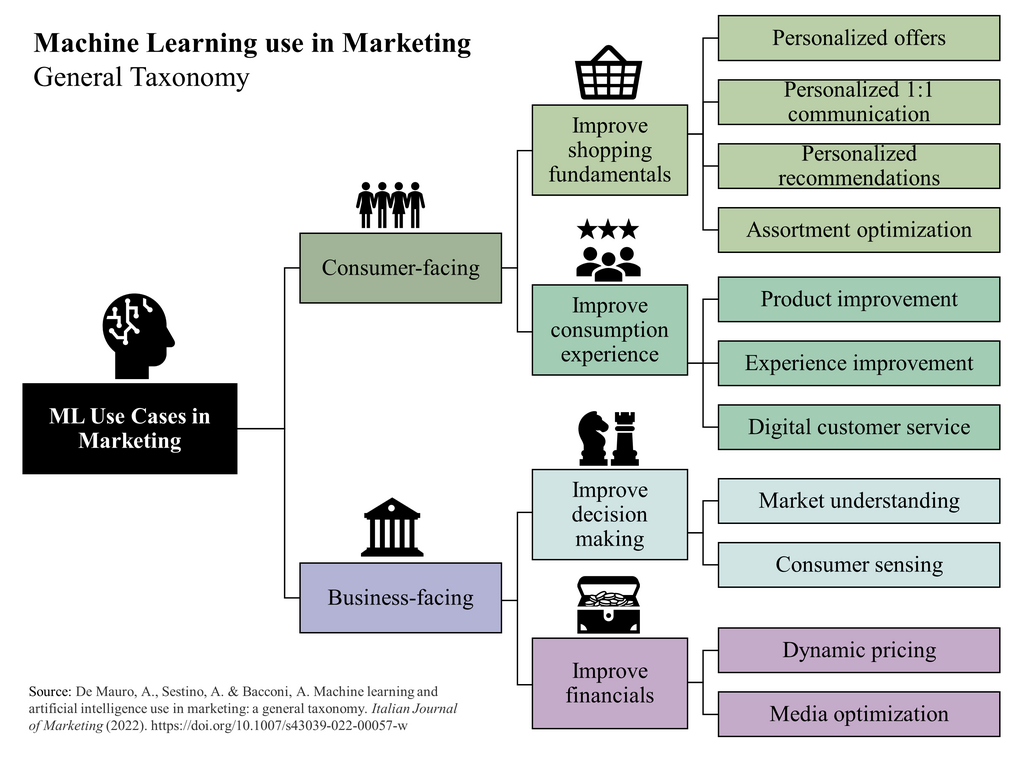
First, AI enables personalization at a scale that was previously impossible. It can analyze an individual's browsing history, past purchases, and interactions to deliver product recommendations and marketing messages tailored specifically for them. This moves beyond basic segmentation, like grouping customers by age, to true one-to-one marketing.
Second, it boosts efficiency by automating repetitive tasks. AI can handle scheduling social media posts, managing email campaigns, and even generating basic reports. This frees up marketers to focus on strategy, creativity, and building customer relationships—the things humans do best.
Finally, AI provides powerful predictive insights. It helps businesses forecast demand, identify emerging market trends, and optimize ad spending for the best possible return on investment.
AI’s predictive capabilities are invaluable in marketing, as they help brands anticipate consumer needs and stay ahead of trends.
A great real-world example of this is in the fast-fashion industry.
Fashion giant Zara uses AI to stay ahead of rapidly changing trends. Its systems analyze sales data in real-time, along with customer feedback and social media buzz, to predict which styles will be in high demand. This information guides everything from design to distribution.
By using an AI agent to forecast trends, Zara can quickly design, produce, and ship small batches of the clothes customers actually want to its stores. This data-driven approach allows the company to minimize waste from overproduction and avoid losing sales on out-of-stock items, giving it a significant edge in a competitive market.
What are the two key technologies mentioned as the primary drivers of AI in marketing?
A marketing team uses an AI tool to analyze thousands of customer reviews to gauge overall sentiment about a new product. Which AI technology is most directly responsible for this capability?
This is just the beginning of how AI is reshaping marketing. By understanding these core concepts, you're ready to explore how specialized AI agents can be built and deployed to tackle specific marketing challenges.