AI Agents for Business Automation
Introduction to AI Agents
What Is an AI Agent?
An AI agent is a program that can perceive its environment, make decisions, and take actions to achieve a specific goal. Think of it less like a simple tool and more like an autonomous assistant. It doesn't just follow a rigid script; it senses what's happening and figures out the best way to get a job done.
Unlike traditional AI systems that execute predefined tasks, AI agents can make independent decisions, plan their actions, and adjust their strategies based on feedback and changing conditions.
The core characteristics that set AI agents apart are:
- Autonomy: They can operate on their own without constant human supervision.
- Reactivity: They perceive their environment and respond to changes in it.
- Proactiveness: They don't just react; they take initiative to meet their goals.
- Social Ability: They can communicate with other agents and humans.
Beyond Basic Automation
You might be familiar with traditional automation, like Robotic Process Automation (RPA). These tools are great for repetitive, predictable tasks. They follow a strict set of rules, like a macro in a spreadsheet. If the process changes even slightly, the automation often breaks.
AI agents are a major leap forward. They are designed for dynamic environments where things aren't always predictable. Instead of just following a script, they use reasoning and learning to adapt.
Think of traditional automation as an intern who needs exact instructions for every task. AI automation is more like a senior assistant who can take a goal, reference past projects, check your calendar, and figure out what needs to be done without constantly asking you.
| Feature | Traditional Automation (RPA) | AI Agents |
|---|---|---|
| Flexibility | Rigid, rule-based | Adaptive and flexible |
| Decision-Making | Follows a predefined script | Makes independent decisions |
| Environment | Best for stable, predictable tasks | Excels in dynamic, changing situations |
| Learning | Does not learn or improve | Learns from data and experience |
Types of AI Agents
AI agents come in a few different flavors, each suited for different kinds of tasks.
Rule-Based Agents are the simplest. They operate on a set of predefined rules, like "If a customer asks about shipping, then provide the tracking link." They're reliable for straightforward, predictable tasks.
Learning-Based Agents are more advanced. They use machine learning to analyze data, recognize patterns, and make decisions. They can improve their performance over time without being explicitly reprogrammed. These agents are ideal for complex tasks like predicting customer behavior or identifying fraudulent transactions.
Hybrid Agents combine the strengths of both. They use a rule-based system for predictable parts of a task but can switch to a learning-based approach when faced with uncertainty or new situations. This provides a balance of reliability and adaptability.
AI Agents at Work
Businesses are using AI agents to streamline all kinds of operations. Their ability to automate complex workflows and make intelligent decisions is transforming industries.
AI agents streamline business operations by automating repetitive tasks, such as data entry, financial reporting, and HR management.
In customer service, agents power intelligent chatbots that can handle complex queries, not just answer FAQs. They can access customer history, understand intent, and solve problems, freeing up human agents for the most challenging issues.
For supply chain management, AI agents can monitor inventory levels, predict demand based on market trends, and even automatically place orders with suppliers. This prevents stockouts and reduces waste.
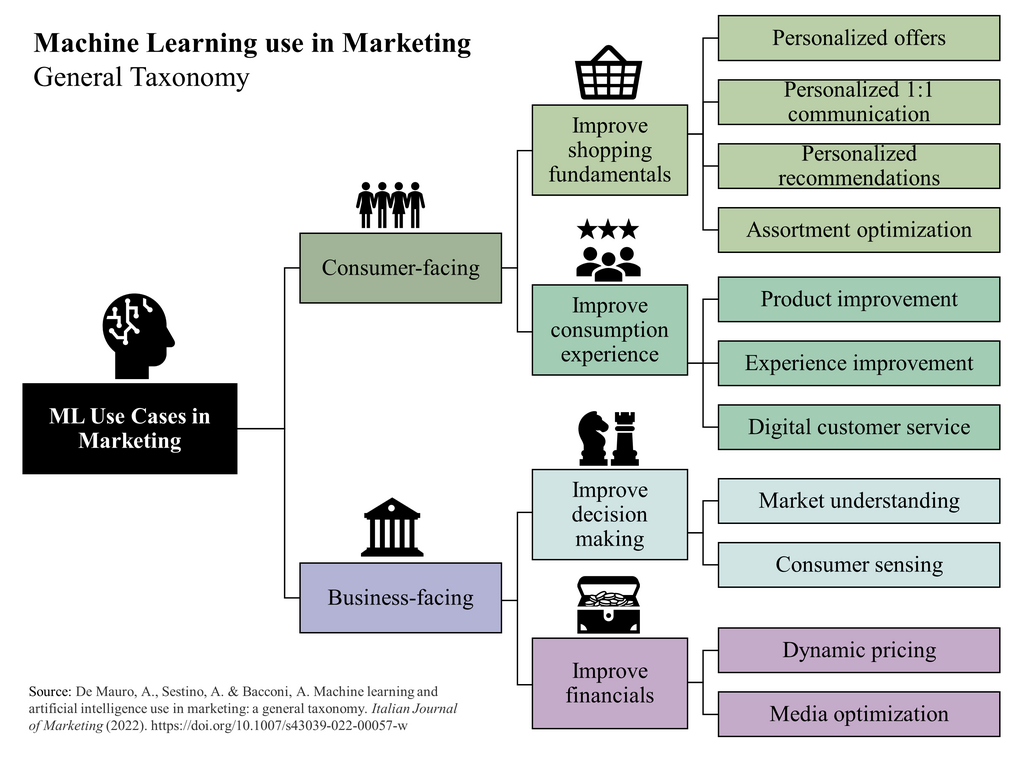
In marketing, agents can personalize customer experiences in real time. They analyze browsing behavior to recommend products, create targeted ad campaigns, and send customized email offers, all without manual intervention.
A great real-world example is in travel booking. Imagine an AI agent tasked with planning a business trip. Instead of just searching for flights, it could check your calendar for availability, book a flight that aligns with your airline preference, reserve a hotel near your meeting location, and even book a rental car, all from a single request. It handles the entire multi-step process autonomously.
What is the fundamental role of an AI agent?
An AI agent's ability to operate without constant human supervision is called ____.
AI agents are moving automation from simple, repetitive tasks to complex, dynamic workflows. By understanding their capabilities, businesses can unlock new levels of efficiency and intelligent decision-making.