AI Agents Explained
Introduction to AI Agents
What Is an AI Agent?
Think about a self-driving car navigating a busy street. It uses cameras and sensors to "see" other cars, pedestrians, and traffic lights. It then processes this information to decide whether to speed up, slow down, or turn. Finally, it acts on that decision by controlling the steering, accelerator, and brakes. This cycle of perceiving, deciding, and acting is the essence of an artificial intelligence (AI) agent.
An AI agent is a system that observes its environment, makes decisions based on those observations, and then takes action to achieve a specific goal.
This concept isn't limited to complex robots. A smart thermostat is a simple agent. It senses the room's temperature (perceives), decides if it's too hot or cold based on your settings (decides), and turns the heating or cooling on or off (acts). The goal is to maintain a comfortable temperature. What sets these systems apart from simple software is their ability to operate independently to achieve their objectives.
agent
noun
An entity that perceives its environment and acts upon that environment to achieve a goal.
Core Characteristics
The defining feature of an AI agent is autonomy. An autonomous agent can operate without direct human control. It isn't just following a rigid, pre-written script. Instead, it uses its perceptions to make its own choices in pursuit of its goal. This allows it to adapt to new and unexpected situations.
Another key characteristic is being goal-directed. Every agent has a purpose, whether it's winning a game of chess, booking a flight, or keeping your home secure. All of its actions are aimed at making progress toward that goal. This continuous loop of perceiving, thinking, and acting is what drives an agent forward.
Where Agents Operate
AI agents aren't confined to one type of space. They can exist in a variety of environments, each presenting unique challenges and opportunities.
Physical Environments: This is the world we live in. Agents here interact with tangible objects. Examples include robotic vacuum cleaners navigating furniture, drones flying through the air, and autonomous vehicles on our roads.
Virtual Environments: These are purely digital spaces. Think of a software agent that plays a video game, a stock-trading bot that operates in a simulated market, or a chatbot that interacts with users in a messaging app. The "world" is made of data and code.
Hybrid Environments: Many agents operate in a mix of physical and virtual worlds. A smart home assistant like Alexa or Google Home is a perfect example. It exists as software (virtual) but perceives commands through a physical microphone and acts by controlling physical smart devices like lights and locks.
| Environment | Description | Example |
|---|---|---|
| Physical | The real world with tangible objects. | A delivery drone |
| Virtual | A simulated, software-defined space. | A chess-playing AI |
| Hybrid | A blend of physical and digital interaction. | A smart thermostat |
The environment determines what an agent needs to perceive and what actions it can take. An agent designed for a chess game doesn't need to worry about physical obstacles, while a self-driving car must be an expert at identifying them.
Why Agents Matter
The concept of the agent is fundamental to modern AI because it provides a powerful framework for building intelligent systems. By thinking in terms of agents, developers can create programs that don't just compute answers, but actively do things in the world. This approach is what enables AI to move beyond simple data analysis and into complex, real-world applications.
From managing complex supply chains to personalizing your online experience and exploring distant planets, AI agents are the active components that make artificial intelligence useful. They are the bridge between raw data and meaningful action.
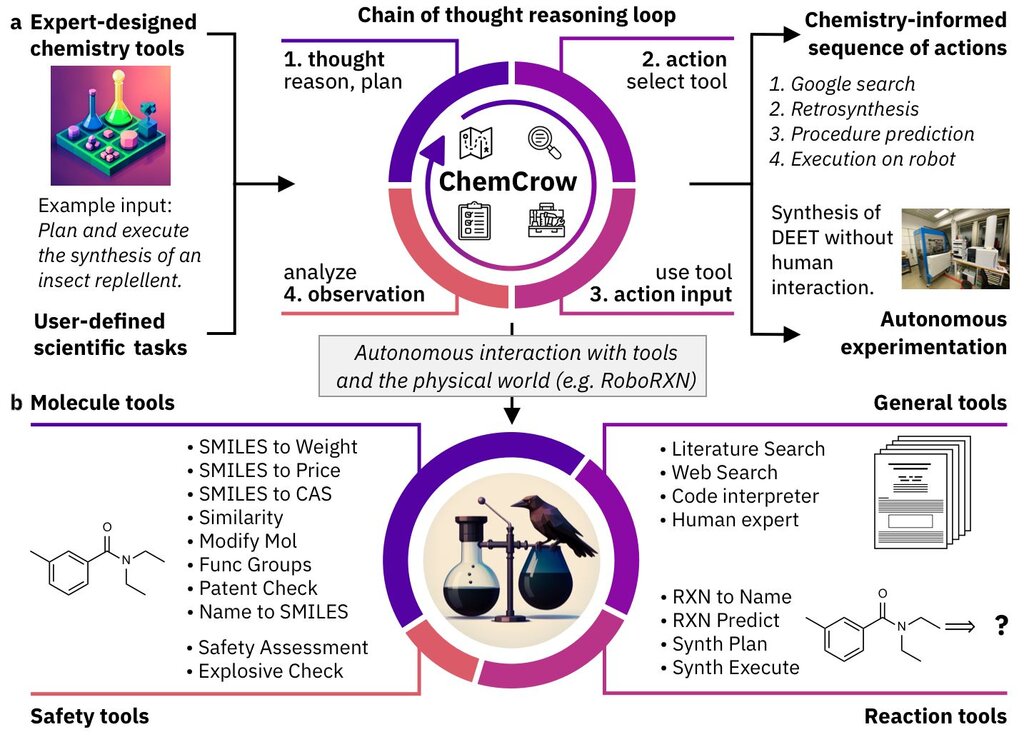
This agent-based model allows for the creation of sophisticated systems that can handle tasks that are too complex, fast, or dangerous for humans to perform directly. As AI technology continues to advance, the capabilities and autonomy of these agents will only grow.
What is the defining characteristic of an AI agent that allows it to operate without direct human control?
A smart thermostat senses the room is too cold, compares this to the user's setting, and turns on the heat. This process is a classic example of the...