AI Agents Explained
Introduction to AI Agents
What Are AI Agents?
An AI agent is a program that can operate on its own to reach a specific goal. Think of it like a smart assistant, but instead of just answering your questions, it can perceive its surroundings, make its own decisions, and take actions in its environment. A self-driving car is a classic example. It 'sees' the road, 'decides' when to turn or brake, and 'acts' by controlling the steering wheel and pedals.
Agents in AI are autonomous entities that perceive their environment, process information, and take actions to achieve specific goals.
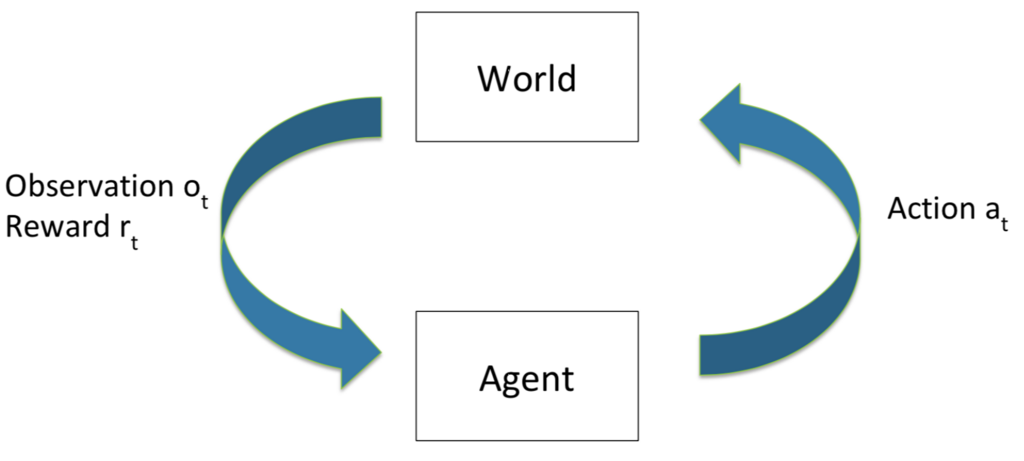
This constant loop of perceiving, thinking, and acting is fundamental to how any agent works, from a simple smart thermostat to a complex robot exploring another planet. Let's break down how this interaction happens.
Sensing and Acting
Agents aren't just lines of code running in isolation. They interact with an 'environment', which could be the physical world, a computer system, or even the internet.
To understand their environment, agents use sensors. For a robot, sensors might be cameras and microphones. For a stock-trading bot, the sensors are data feeds providing real-time market prices. They take in information, just like our eyes and ears do.
Once an agent decides on a course of action, it uses actuators to carry it out. Actuators are the parts that affect the environment. A robot's actuators are its motors and limbs. The trading bot's actuators are the functions that execute buy or sell orders.
Sensors gather information from the environment, and actuators perform actions within it. The agent's 'brain' connects the two.
Core Characteristics
Not every program is an agent. True AI agents are defined by a few key characteristics that give them their power and flexibility.
| Characteristic | Description |
|---|---|
| Autonomy | Agents can operate independently without constant human guidance. You give it a goal, and it figures out the steps to get there. |
| Reactivity | Agents can perceive their environment and respond to changes in a timely fashion. If a self-driving car sees a pedestrian step into the road, it reacts by braking. |
| Proactivity | Agents don't just react; they take initiative. A proactive agent might book a flight when it notices prices are low, based on its goal of saving you money. |
| Social Ability | Agents can communicate with other agents and humans. This could be as simple as a chatbot asking clarifying questions or as complex as multiple delivery drones coordinating their routes. |
These four traits allow agents to tackle complex tasks in dynamic environments, making them a cornerstone of modern artificial intelligence.
What is the fundamental operational loop of an AI agent?
For a self-driving car, which of the following is an example of a sensor?