AI Agents Explained
Introduction to AI Agents
Meet the AI Agent
At its core, an Artificial Intelligence (AI) agent is a system that can observe its surroundings and take actions to achieve a specific goal. Think of it as an autonomous entity that perceives, thinks, and acts.
Simply put, an AI agent is a software program that can perceive its environment, process information, and take actions to achieve a goal—all without human intervention.
This interaction with the environment is a continuous loop. The agent uses sensors to perceive its environment. For a self-driving car, sensors might include cameras and lidar. For a stock-trading bot, the sensors are data feeds providing market prices.
After perceiving, the agent decides what to do. This decision-making is the "intelligence" part of the AI. Finally, the agent performs an action using its actuators. The car's actuators are its steering wheel, accelerator, and brakes. The trading bot's actuators are the commands it sends to buy or sell stocks.
What Makes an Agent an Agent
Not all software is an agent. A key characteristic that sets an AI agent apart is autonomy. An agent can operate independently, making its own choices to meet its goals without constant human oversight. A simple script executes a predefined sequence of commands, but an agent adapts its behavior based on what it perceives.
Another defining trait is being goal-oriented. An agent's actions are purposeful. A spam filter's goal is to keep your inbox clean. A thermostat's goal is to maintain a specific temperature. This objective guides all of its decisions and actions.
Autonomy and a clear goal are what distinguish a smart, adaptive agent from a simple, rigid program.
The Agent's Role
So, what is the role of an agent within a larger AI system? In many ways, the agent is the system. It's the component that connects the abstract intelligence or decision-making model to the real world, whether that world is a physical space, a financial market, or a software application.
Agents are the foundation for building systems that can perform complex tasks on our behalf. They bridge the gap between pure computation and meaningful action, allowing AI to have a tangible impact on its environment.
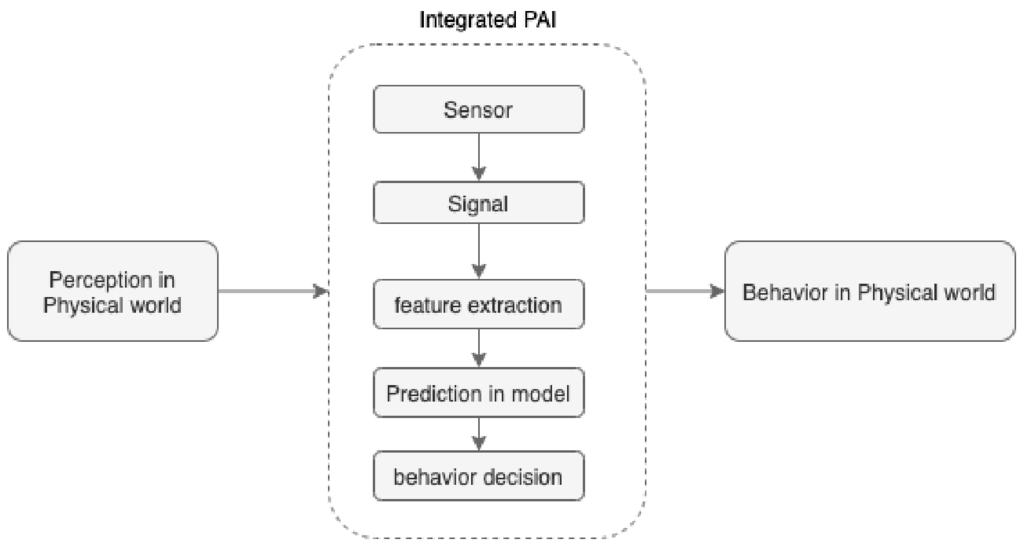
By understanding this basic model of perception and action, we can begin to see how more complex AI behaviors are built. Everything from simple reflex-based agents to those that can plan and learn starts with this fundamental interaction with an environment.