AI Agents Explained
Introduction to AI Agents
What Is an AI Agent?
Think about a robotic vacuum cleaner. It doesn't just bump around randomly. It senses the layout of a room, detects obstacles like furniture and pets, and then decides where to move next to clean the floor effectively. When its battery is low, it finds its way back to the charging dock. In essence, it perceives its world and acts on it to achieve a goal.
This is a simple example of an AI agent. More formally, an AI agent is any system that can observe its environment through sensors and act upon that environment using actuators. A sensor can be anything from a camera or a microphone to a line of code that reads data from a website. An actuator is what the agent uses to perform an action, like the wheels on a robot or a software function that sends an email.
An AI agent is a program that can perceive its environment, process information, and take actions to achieve a specific goal.
This perception-action loop is the foundation of every AI agent, whether it's a physical robot or a piece of software navigating the internet. But what makes an agent truly "intelligent" are a few key characteristics.
Core Characteristics of an Agent
Not every automated system is an agent. A true AI agent typically exhibits four main traits that allow it to operate effectively without constant human guidance.
Autonomy
noun
The ability to operate without direct human intervention or control. An autonomous agent can make its own decisions based on its perceptions and internal logic.
An autonomous agent is its own boss. It's not just following a rigid script. For example, a financial trading bot might decide to buy or sell stocks on its own by analyzing market data, without a human approving every single transaction.
Reactivity
noun
The ability to perceive the environment and respond to changes in it in a timely manner. Reactive agents don't just act; they react.
The world is unpredictable. A good agent can roll with the punches. A spam filter, for example, is reactive. When a new type of phishing email appears in your inbox, the filter perceives this threat and immediately moves it to the junk folder to protect you.
Proactivity
noun
The ability to take initiative and act in anticipation of future goals, rather than just reacting to the environment. Proactive agents are goal-directed.
Beyond just reacting, proactive agents look ahead. Your GPS app doesn't just show you the road; it proactively reroutes you when it detects a traffic jam on your planned route, ensuring you still get to your destination on time.
Social Ability
noun
The ability to interact or communicate with other agents (both artificial and human) to achieve its goals. This often involves cooperation, coordination, or negotiation.
Agents rarely work in total isolation. Social ability allows them to team up. In online multiplayer games, computer-controlled characters (NPCs) often coordinate their attacks against human players. They communicate with each other to form a more effective strategy, acting as a team.
Agents in the Wild
Once you know what to look for, you'll start seeing AI agents everywhere. They operate in countless domains, often behind the scenes, to make our lives easier and more efficient.
Smart Assistants: Virtual assistants like Siri, Alexa, and Google Assistant are classic examples. They use microphones (sensors) to perceive your voice commands and speakers or connections to other apps (actuators) to respond, play music, or set reminders.
E-commerce and Streaming: When a service like Netflix or Amazon recommends a movie or product, that’s an agent at work. It perceives your viewing and purchase history and acts by suggesting new items you might like, with the goal of keeping you engaged.
Robotics: In a modern warehouse, autonomous robots navigate aisles, locate packages, and transport them for shipping. Their sensors include cameras and lasers for navigation, and their actuators are their wheels and robotic arms.
Cybersecurity: AI agents are used to monitor computer networks for suspicious activity. They can perceive unusual data patterns that might signal a cyberattack and act by blocking the threat or alerting a human administrator.
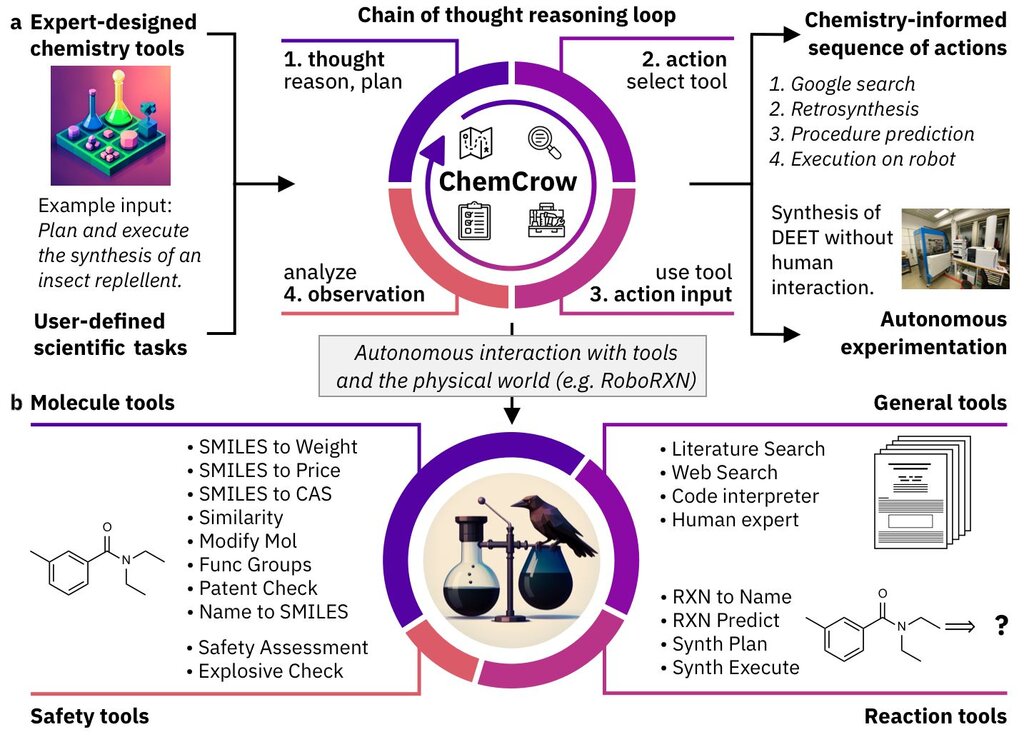
These examples just scratch the surface. From controlling traffic lights to helping scientists discover new materials, AI agents are becoming increasingly integrated into our world, taking on complex tasks with ever-greater autonomy and intelligence.
What is the fundamental cycle that defines how an AI agent operates?
A spam filter that automatically moves a newly identified type of phishing email to the junk folder is primarily demonstrating which agent characteristic?