AI Agents Explained
Introduction to AI Agents
What Is an AI Agent?
An AI agent is a system that can observe its environment and act on it to achieve a goal. Think of a simple smart thermostat. It senses the room's temperature, decides whether it's too hot or cold based on your settings, and then turns the heat or air conditioning on or off. That's an agent in its most basic form.
agent
noun
Anything that can be viewed as perceiving its environment through sensors and acting upon that environment through actuators.
Of course, AI agents can be far more complex. Instead of just a temperature sensor, an agent might process vast amounts of data from the internet. Instead of turning on the heat, it might book a flight, trade a stock, or navigate a robot through a warehouse. The fundamental cycle, however, remains the same.
An agent's entire job boils down to a simple loop: Perceive, Decide, Act.
A Quick History
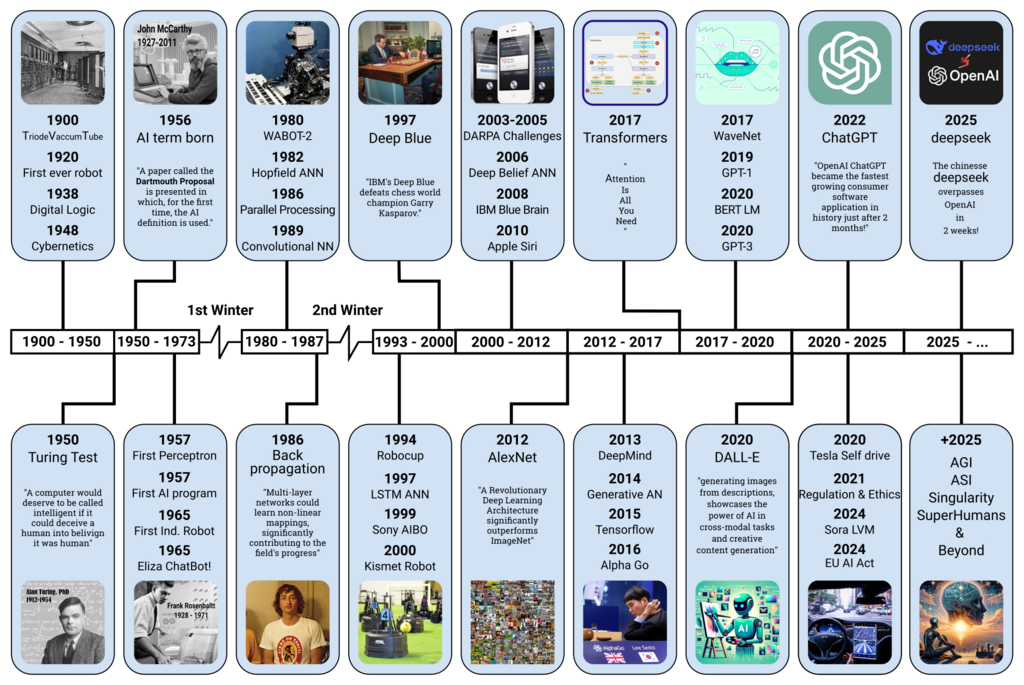
The idea of agents isn't new. Early versions were simple, rule-based systems. Imagine a basic chess program from the 1970s. It didn't "learn" or "strategize" in a human sense. It just followed a strict set of pre-programmed rules: if the opponent does X, evaluate options Y and Z. These early agents were powerful for specific tasks but brittle. They couldn't handle situations outside their explicit instructions.
The game changed with the rise of machine learning, massive datasets, and powerful computers. Modern agents can learn from experience. Instead of just following rules, they analyze patterns in data to improve their decision-making over time. This shift transformed them from simple automatons into dynamic systems that can adapt to new information.
The Hallmarks of an Agent
What really separates an AI agent from a simple computer program? A few key characteristics define them. Understanding these traits helps clarify what makes an agent truly "intelligent."
| Characteristic | Description |
|---|---|
| Autonomy | Agents can operate independently without constant human guidance. They make their own decisions to move toward their goals. |
| Adaptability | They can change their behavior based on new information or experiences. A good agent learns from its mistakes and successes. |
| Goal-Oriented | An agent's actions are purposeful. It is always working to achieve a specific, defined objective, whether that's winning a game or booking a vacation. |
Together, these features allow agents to tackle complex, unpredictable problems in a way that static, rule-based programs cannot. They aren't just executing a script; they are actively navigating their environment to succeed.
Where Agents Work
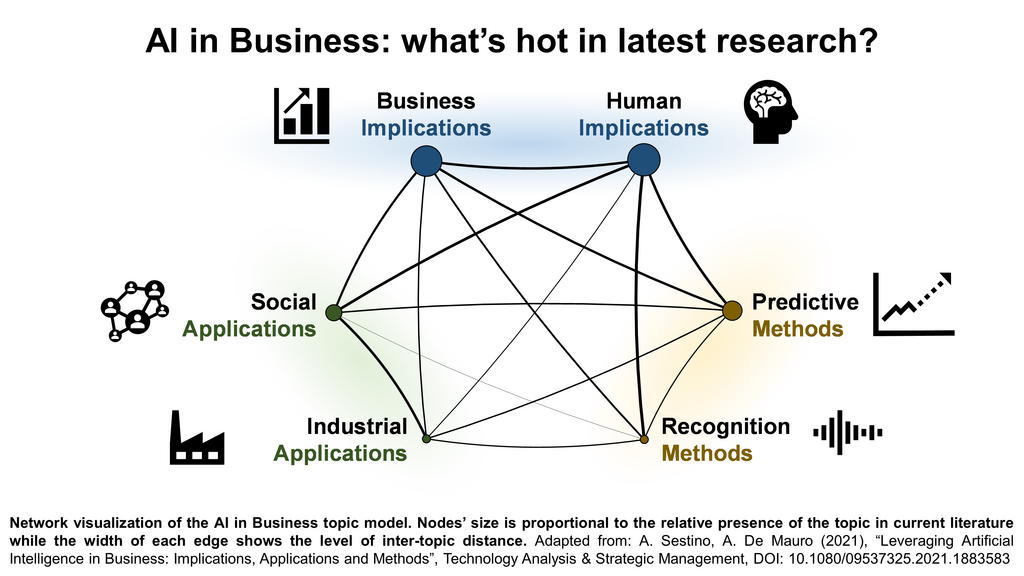
AI agents are not just theoretical concepts; they are already at work across many industries. Their versatility allows them to take on a wide range of roles, from simple automation to complex analysis.
In finance, agents monitor stock markets for irregularities or execute trades based on complex strategies. Within healthcare, they might help analyze medical images to spot signs of disease or manage patient data. Many customer service chatbots are agents, designed to understand your questions and provide relevant answers or actions.
In the physical world, robots in warehouses that sort and move packages are agents perceiving and acting on their physical surroundings. The software managing a city's traffic light grid to optimize flow is also an agent, working on a massive scale.
Now, let's review what you've learned about the fundamentals of AI agents.
What is the fundamental cycle of an AI agent?
Early AI agents, like a chess program from the 1970s, were brittle because they...
This introduction covers the core concepts of what an AI agent is, how the idea has developed, and its defining features. With this foundation, you can begin to explore the different types of agents and how they are built to perform increasingly complex tasks.