AI Agents Explained
Introduction to AI Agents
What is an AI Agent?
At its core, an AI agent is a system that can operate on its own to achieve a specific goal. Think of a simple thermostat. It senses the room's temperature (perception), decides whether it's too hot or cold based on your setting (decision-making), and turns the heat or AC on or off (action). That's a basic agent.
An AI agent is an autonomous entity that perceives its environment through sensors, makes decisions using its programming or intelligence, and takes actions using actuators to achieve specific goals.
This simple loop—perceive, decide, act—is the foundation for all AI agents, from your smart thermostat to the sophisticated algorithms that recommend movies or trade stocks. The key components are:
- Perception (Sensors): How the agent gathers information. For a self-driving car, this includes cameras, LiDAR, and GPS. For a chatbot, it's the text you type into it.
- Reasoning (The "Brain"): The agent's processor. It analyzes the perceived information and decides what to do next. This can be a simple set of rules or a complex neural network.
- Action (Actuators): How the agent interacts with its environment. The car's actuators are its steering wheel, brakes, and accelerator. The chatbot's actuator is the mechanism that generates and displays its text response.
A Brief History
The idea of autonomous agents isn't new. Early concepts emerged in the mid-20th century with the birth of computer science and cybernetics. These first agents were simple, rule-based systems. They operated on strict "if-then" logic, like a chess program that followed a pre-written book of opening moves. They were effective in controlled environments but couldn't adapt to new situations.
The game changed with the rise of machine learning. Instead of being explicitly programmed for every scenario, agents could now learn from data. This allowed them to improve their performance over time and handle situations their creators never anticipated. Think of an email spam filter. It doesn't have a rule for every possible spam message; instead, it learns to recognize patterns from thousands of examples you mark as junk.
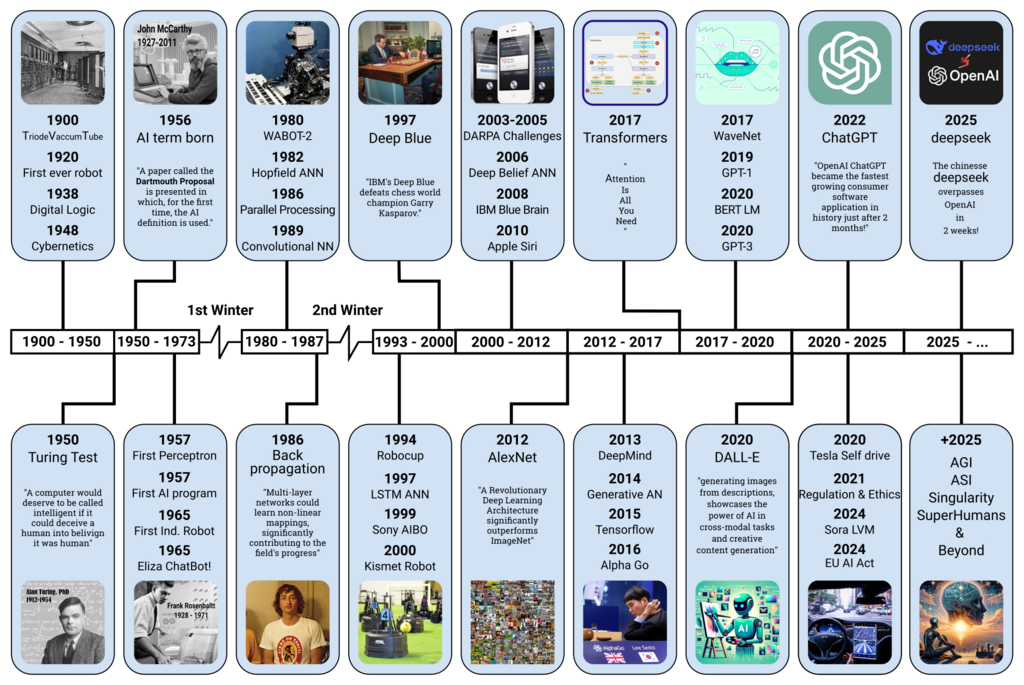
Today, we're in the era of agents powered by large language models (LLMs). These agents can understand and respond to human language, reason about complex problems, and even use other software tools to complete tasks. They represent a significant leap forward, moving from simple automation to more autonomous problem-solving.
Why Agents Matter
AI agents are becoming essential across many fields because they can automate complex tasks that previously required human intelligence. This isn't just about efficiency; it's about tackling problems on a scale humans can't manage.
Agents can analyze massive datasets, operate 24/7 without fatigue, and execute tasks with speed and precision far beyond human capabilities.
In finance, agents execute trades in fractions of a second based on market fluctuations. In healthcare, they help doctors diagnose diseases by analyzing medical images for subtle patterns. In logistics, they optimize shipping routes in real-time to account for traffic and weather, saving fuel and time.
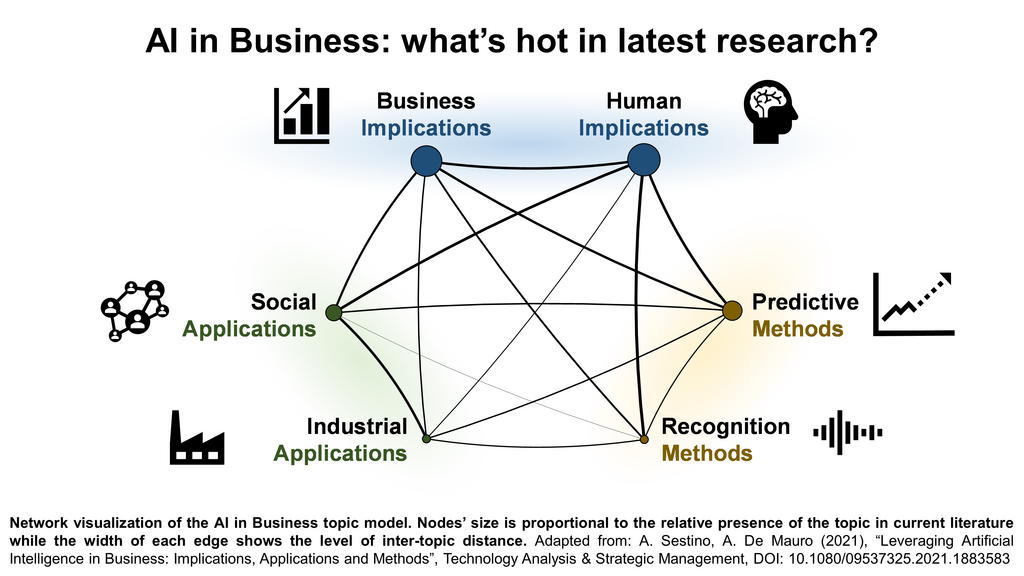
They also power the smart assistants on our phones, personalize our online shopping experiences, and control robotic systems in manufacturing and exploration. By handling repetitive or data-intensive work, AI agents free up people to focus on more creative and strategic challenges.
What are the three fundamental steps in the operational cycle of any AI agent?
For a smart thermostat, the thermometer that measures the room's temperature serves as its __________.
Understanding what AI agents are and where they came from is the first step. As we move forward, we'll explore the different types of agents and how they are built.