AI Agents Explained
Introduction to AI Agents
Meet the AI Agent
Think of an AI agent as an autonomous helper. It’s a bit like a personal assistant, but instead of a person, it's a software program designed to get things done on its own. The core idea is simple: an agent observes its environment, thinks about what to do, and then takes action to achieve a specific goal.
An AI agent is a program or system that can perceive its environment, process information, and take actions to achieve a specific goal.
Let's break that down. The 'environment' could be anything from a website or a database to the physical world, sensed through cameras or sensors. 'Processing information' is the agent's 'thinking' step, where it decides the best course of action. 'Taking action' is the final step, where it carries out its decision, like booking a flight, ordering groceries, or adjusting a thermostat.
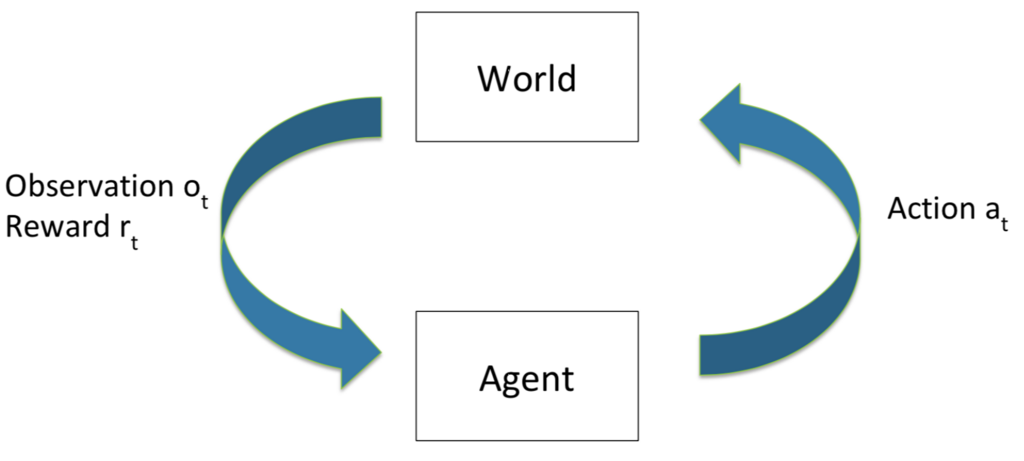
This simple loop of perceiving, thinking, and acting is what makes AI agents so versatile. But to be truly effective, they need a few key characteristics.
The Four Key Traits
Not every program that automates a task is an AI agent. True agents are defined by four distinct qualities that allow them to operate intelligently and independently.
| Trait | What It Means | A Simple Example |
|---|---|---|
| Autonomy | It operates on its own without constant human command. | A smart thermostat adjusts the room temperature based on your past preferences and the current weather forecast. |
| Reactivity | It senses and responds to changes in its environment in a timely way. | A self-driving car's navigation system reroutes when it detects heavy traffic ahead. |
| Proactivity | It takes initiative to achieve its goals, rather than just waiting for instructions. | Your calendar app notices a scheduling conflict and suggests new meeting times to all attendees. |
| Social Ability | It can communicate and interact with other agents and humans. | A customer service chatbot answers your questions and, if it can't, seamlessly transfers you to a human representative. |
These traits work together. An autonomous agent that is also proactive can anticipate your needs. A reactive agent with social ability can not only respond to a problem but also communicate what went wrong. This combination is what makes modern AI agents so powerful.
A Glimpse at Agent Types
AI agents come in many forms, ranging from simple to highly complex. Some are like insects, operating on basic if-then rules. For example, a simple reflex agent in a video game might always attack when a player comes within a certain range.
Others are much more sophisticated. Goal-based agents can create long-term plans to achieve objectives, and learning agents can improve their performance over time by analyzing past successes and failures. The type of agent used depends entirely on the job it's designed to do.
What are the three fundamental steps an AI agent continuously performs in its operational loop?
An AI assistant on your phone notices you typically leave for work at 8:00 AM and that there's heavy traffic on your usual route. It sends you an alert at 7:45 AM suggesting an alternative route. This action primarily demonstrates which agent characteristic?
Now you have a foundational understanding of what AI agents are and what makes them tick. They are the active, decision-making power behind many AI systems.