AI Agents Explained
Introduction to AI Agents
What Are AI Agents?
An AI agent is a system that can observe its surroundings, make its own decisions, and take actions to achieve a specific goal. Think of it as an autonomous entity that can sense, think, and act.
An AI agent is anything that can be viewed as perceiving its environment through sensors and acting upon that environment through actuators.
The “environment” could be a physical space, like a room for a robotic vacuum, or a digital one, like the internet for a web-crawling bot. “Sensors” can be cameras and microphones, or they can be digital data feeds. “Actuators” might be wheels and arms, or they could be software commands that post a message or buy a stock.
This simple loop—perceive, decide, act—is the foundation of all AI agents, from your smart thermostat to the most advanced self-driving cars.
Key Characteristics
Not every program is an agent. True AI agents have a few defining traits that set them apart.
Autonomy
noun
The ability to perform tasks in complex environments without constant guidance or intervention by a user.
An agent doesn't need to be told what to do at every single step. It has the freedom to make its own choices to reach its objective. Your smart thermostat, for example, autonomously decides when to turn the heat on or off based on the temperature it senses, your past behavior, and the goals you've set.
Agents are also goal-oriented. They are designed with a purpose, whether it's to win a game of chess, keep a house clean, or recommend the perfect movie. All of their actions are directed toward achieving that goal.
Finally, agents are adaptive. They can learn from their experiences and adjust their behavior over time. A recommendation system gets better at suggesting songs because it learns from what you listen to and what you skip.
Agents in the Wild
You interact with AI agents every day, often without realizing it. They are the engines behind many of the technologies we now take for granted.
-
Virtual Assistants: When you ask Siri or Alexa to set a timer, you're talking to an AI agent. It perceives your voice command (sensor), processes the request (decision), and activates the timer on your device (actuator).
-
Recommendation Systems: Services like Netflix and Spotify use agents to learn your preferences. They perceive your viewing or listening history, decide which new content you might like, and then act by displaying those suggestions to you.
-
Robotics: In warehouses, autonomous robots navigate aisles to retrieve items for shipping. They use sensors to perceive their location and any obstacles, decide on the most efficient path, and use motors to move and pick up packages.
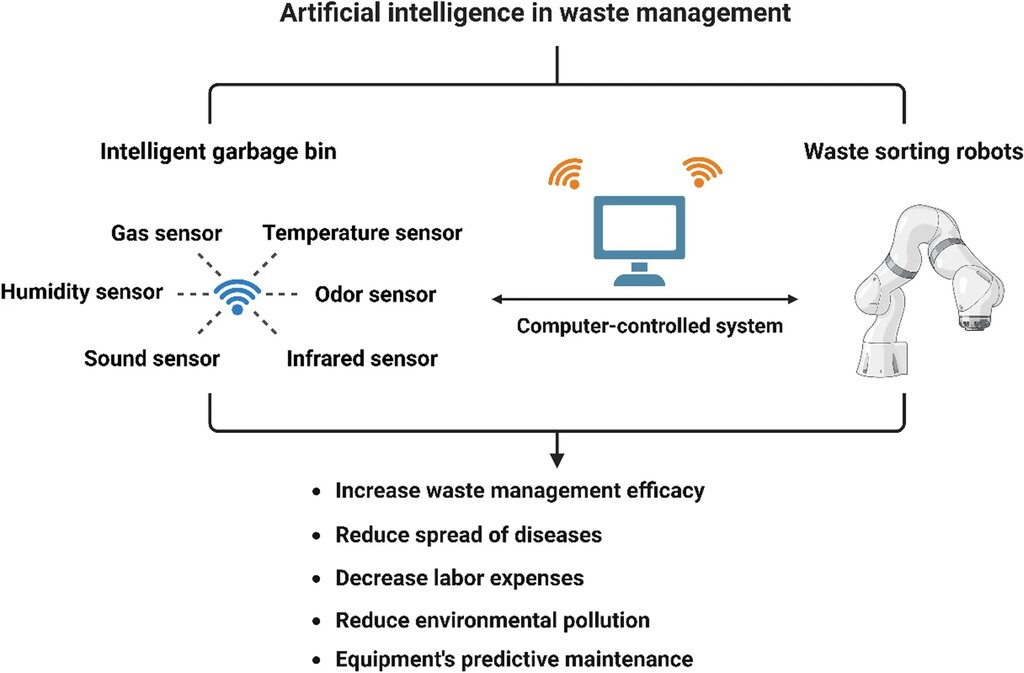
These examples show the range of AI agents. Some live entirely in the digital world, while others operate physically. But all of them share the same core principle: perceive, decide, and act to achieve a goal.