AI Agents Explained
Introduction to AI Agents
What Is an AI Agent?
In the world of artificial intelligence, the term "agent" refers to anything that can observe its surroundings and then act upon them. Think of it as the active part of an AI system, the component that actually does things.
agent
noun
An autonomous entity that perceives its environment through sensors and acts upon that environment through actuators.
This might sound complex, but you encounter simple agents every day. A smart thermostat is an agent. It senses the room's temperature (perception) and turns the heating or cooling on or off (action) to reach its goal temperature. A robotic vacuum cleaner is another agent. It uses sensors to map a room and avoid obstacles, and its actuators are the wheels and brushes it uses to clean the floor.
At their core, AI agents are problem solvers. They are given a goal, and their job is to figure out the best sequence of actions to achieve it. This makes them a fundamental concept in AI, turning abstract intelligence into tangible action.
An agent is the bridge between intelligence and action. It perceives, decides, and acts.
Where Agents Live and Work
Every agent operates within an environment. This is simply the world or context the agent exists in. An environment can be physical, like a kitchen for a cooking robot, or digital, like a website for a data-scraping bot.
The agent interacts with its environment using two key components:
- Sensors: These are the tools the agent uses to perceive its environment. For a self-driving car, sensors include cameras, GPS, and radar. For a chess-playing AI, the
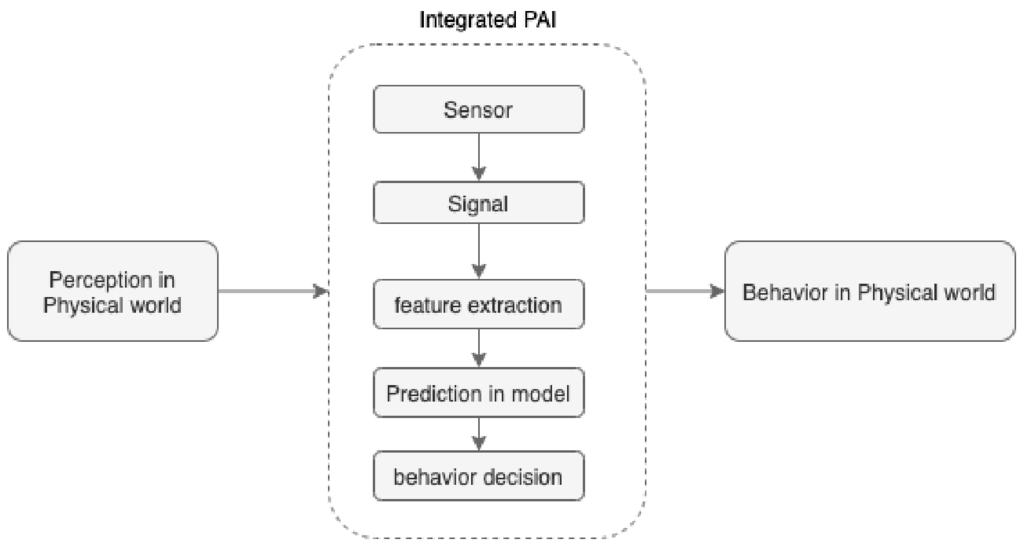
sensor" is the code that reads the state of the digital chessboard.
- Actuators: These are the tools the agent uses to perform actions. A car's actuators are its steering wheel, accelerator, and brakes. A chess AI's actuator is the code that moves a piece on the digital board.
Understanding the relationship between an agent and its environment is key to understanding AI. The complexity of the environment often dictates how intelligent an agent needs to be.
| Agent | Environment | Sensors | Actuators |
|---|---|---|---|
| Robotic Vacuum | Room, floor, furniture | Camera, infrared sensors, bump sensors | Wheels, brushes, vacuum motor |
| Spam Filter | Email inbox, email content | Text analysis software | "Mark as spam" or "allow" command |
| Game Bot | Video game world | Game state data (player health, location) | Keyboard/mouse commands |
| Trading Agent | Stock market | Market data feeds, news articles | Buy/sell orders |
By defining an agent, its sensors, its actuators, and its environment, we can start to build a clear picture of how AI systems are designed to tackle specific goals.