AI Agents Explained
Introduction to AI Agents
What Is an AI Agent?
Think of an AI agent as a piece of software that can act on its own. It's not like a simple app that just waits for you to click a button. Instead, an agent observes its digital environment, makes decisions, and takes actions to reach a specific goal.
At its core, an agent operates in a continuous loop: it perceives, thinks, and acts. This cycle allows it to interact with its surroundings in a dynamic way.
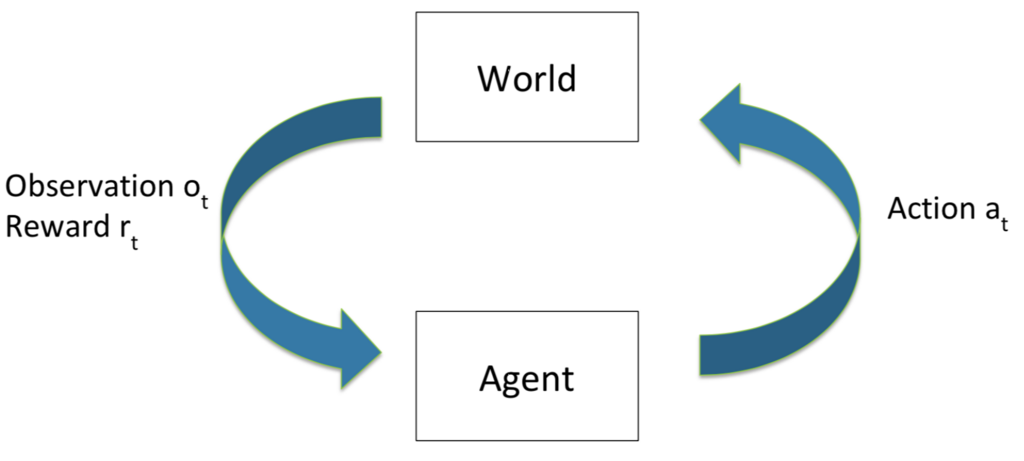
This fundamental process separates an agent from a traditional program. It isn't just following a rigid, pre-written script. It's actively trying to accomplish something, adapting as it goes.
The Four Key Traits
What makes an AI agent truly different from other software? It comes down to four special characteristics. These traits allow agents to operate independently and intelligently.
Autonomy
noun
The ability to operate without direct human intervention or control.
Autonomy means the agent is its own boss. You can give it a goal, like "book me a flight to London next Tuesday," and it can figure out the necessary steps on its own. It doesn't need you to guide it through every single click and decision. It controls its own actions.
A traditional program is like a puppet on strings. An autonomous agent is the puppeteer.
Reactivity
noun
The ability to perceive the environment and respond in a timely fashion to changes that occur.
An agent isn't oblivious to its surroundings. Reactivity means it pays attention and responds to what's happening. If a self-driving car (a physical agent) detects a pedestrian stepping into the road, it reacts by braking. A software agent might react to a sudden price drop on a shopping site or a new email in an inbox.
Proactivity
noun
The ability to take initiative and act in anticipation of future goals.
Being proactive goes beyond just reacting. Instead of just responding to events, a proactive agent takes initiative to achieve its goals. For example, a smart thermostat doesn't just react to the current temperature. It learns your schedule and proactively starts heating the house before you get home from work.
Social Ability
noun
The capability of an agent to communicate and cooperate with other entities, such as other agents or humans.
Agents don't have to work in isolation. Social ability allows them to communicate with us (through chatbots, for example) or with other AI agents to solve complex problems. Imagine two agents coordinating to book a flight and a hotel, ensuring the dates and locations match perfectly. That's social ability in action.
Agents vs. Traditional Software
So, is your word processor an AI agent? No. While it's a complex piece of software, it's not autonomous, proactive, or social in the same way. It waits for your commands and follows them precisely. It doesn't have its own goals.
| Feature | Traditional Software | AI Agent |
|---|---|---|
| Control | User-driven; follows explicit instructions. | Goal-driven; operates autonomously. |
| Behavior | Predictable and deterministic. | Dynamic and adaptive. |
| Environment | Largely unaware of its environment. | Perceives and reacts to its environment. |
| Initiative | Passive; waits for user input. | Proactive; takes initiative to meet goals. |
The key difference is intent and independence. An agent is designed to pursue a goal on your behalf, navigating its environment and making its own decisions along the way. A traditional program is a tool that you operate directly.
Time to review these core concepts.