AI Agents Explained
Introduction to AI Agents
What Are AI Agents?
Think of an AI agent as a specialized digital assistant. It's a software program designed to perceive its surroundings, make decisions, and take actions to achieve a specific goal. Just like you might hire a person to manage your calendar or filter your emails, you can deploy an AI agent to handle a task autonomously.
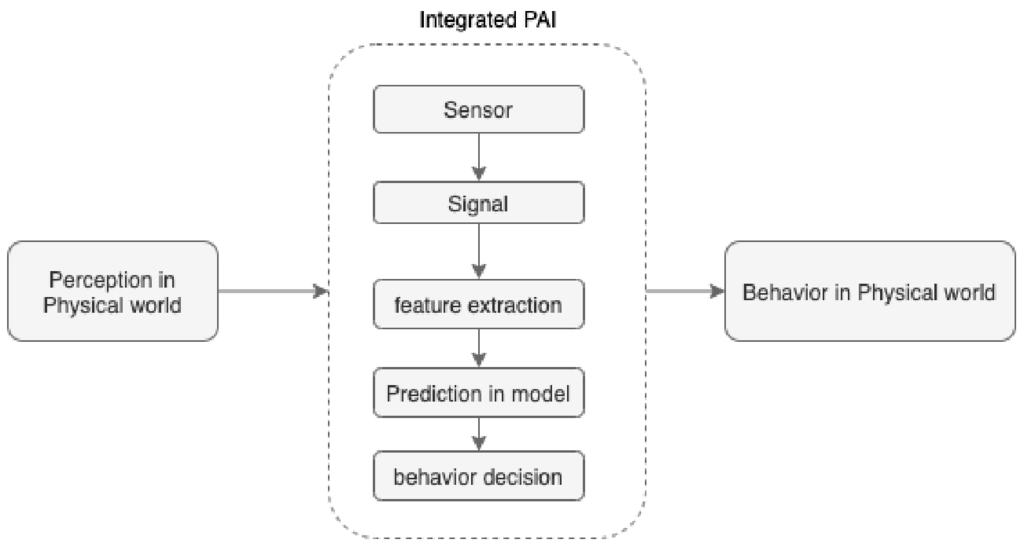
At its core, an AI agent is a system that senses an environment and acts upon it.
This environment could be anything from a user's computer to the internet, or even a physical space if the agent is connected to robots or sensors. The agent uses its "senses" (like data inputs or camera feeds) to understand what's happening and its "actuators" (like sending an email or moving a robotic arm) to perform its job.
An AI Agent is a software entity characterized by its autonomy, reactivity, pro-activeness, and social ability.
Core Characteristics
Not every piece of software is an agent. True AI agents are defined by a few key traits that allow them to operate intelligently and independently.
autonomy
noun
The ability to operate without direct intervention or constant control from humans.
An autonomous agent has a degree of freedom. Once you give it a goal, it can figure out the steps on its own. A spam filter is a simple example. You don't tell it to block every single piece of junk mail. It learns what spam looks like and acts independently to keep your inbox clean.
reactivity
noun
The ability to perceive the environment and respond in a timely fashion to changes that occur in it.
Agents don't just follow a pre-written script; they react to what's happening around them. A self-driving car's navigation system is a great example. If it detects a traffic jam ahead, it doesn't blindly continue on the planned route. It reacts to the new information and calculates a detour.
Next, we have proactiveness.
proactiveness
noun
The ability to take the initiative to achieve goals, rather than simply acting in response to the environment.
A proactive agent doesn't wait for something to happen. It takes initiative. Think of an AI agent that manages inventory for a store. Instead of just reacting when a product runs out, it might proactively analyze sales trends and order more stock before it anticipates a shortage, like before a big holiday.
Finally, agents often have social ability.
social ability
noun
The capability of an agent to interact and communicate with other agents and humans.
Many AI tasks require teamwork. Social ability is how agents communicate with us and with each other. This could be as simple as a travel-booking agent asking you for your destination or as complex as a team of agents coordinating to manage an electricity grid. They exchange information and work together to achieve a common goal.
Together, these four characteristics—autonomy, reactivity, proactiveness, and social ability—are what make AI agents powerful tools capable of tackling complex problems without constant human guidance.