AI Agents Explained
Introduction to AI Agents
Meet the AI Agent
Think about a smart thermostat. It senses the temperature in a room, compares it to your desired setting, and then decides whether to turn the heat or air conditioning on or off. It works on its own to achieve a goal. This is the basic idea behind an AI agent.
An AI agent is a software program designed to understand its environment, process information, and take actions to achieve specific goals.
An agent is an autonomous entity. It perceives its environment through sensors and acts upon that environment through actuators. For a software agent, a "sensor" might be a data feed, user input, or a file on a computer. An "actuator" could be sending an email, displaying a notification, or changing a value in a database.
The key is that these agents operate independently to meet predefined objectives. They bridge the gap between digital intelligence and real-world action.
A Brief History
The concept of agents isn't new. It has roots in the early days of artificial intelligence, dating back to the 1950s. Early ideas focused on creating systems that could reason and solve problems like humans. These were often simple, rule-based systems. For example, an early chess program could be seen as a basic agent. Its environment was the chessboard, its sensors perceived the piece locations, and its actuators made moves.
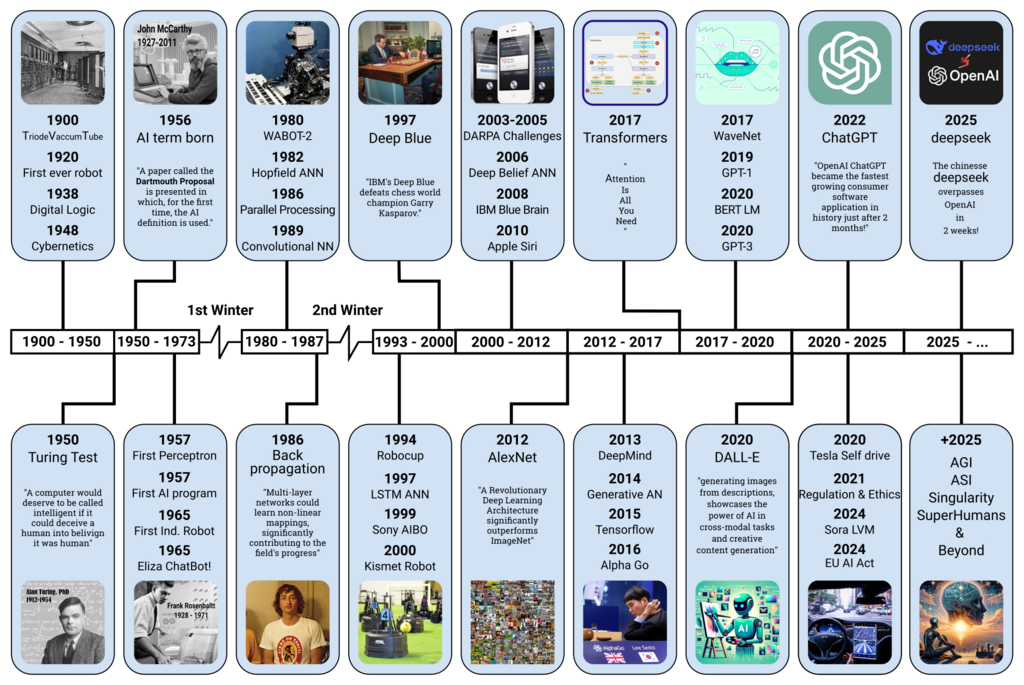
As computing power grew and AI research advanced, so did the complexity of agents. They moved from strictly controlled, logical environments to more unpredictable ones. The rise of the internet in the 1990s created a perfect playground for software agents that could search for information, filter emails, or recommend products.
Today, with the explosion of large language models (LLMs), agents have become far more capable. They can now understand complex instructions, access tools, and carry out multi-step tasks that were unimaginable just a decade ago.
Why Agents Matter
AI agents are significant because they represent a shift from passive AI to active AI. A language model, on its own, is passive. It responds to your prompts. An AI agent, however, takes that intelligence and does something with it. It's the difference between a calculator and an autonomous robot that uses the calculator to build a bridge.
This ability to act makes AI much more useful. Agents can automate complex workflows, manage systems, and interact with the digital and physical worlds in meaningful ways. They are the component that turns raw AI capability into a powerful tool for getting things done.
This continuous loop of perceiving, thinking, and acting allows an agent to pursue its goals in a dynamic environment.
Agents in the Wild
You probably interact with AI agents every day without realizing it. Here are just a few examples across different industries:
- E-commerce: Recommendation engines that suggest products based on your browsing history are agents. Their goal is to increase sales by showing you relevant items.
- Customer Service: Chatbots that answer frequently asked questions on websites are simple agents. They perceive your text input and act by providing a pre-programmed or AI-generated response.
- Finance: Algorithmic trading bots that execute trades based on market signals are high-stakes AI agents. They analyze market data (sensors) and buy or sell stocks (actuators) to achieve a financial goal.
- Gaming: Non-player characters (NPCs) in video games that react to your actions and have their own behaviors are a form of AI agent designed to create an immersive experience.
- Smart Homes: Voice assistants like Alexa or Google Assistant are sophisticated agents that can control lights, play music, and answer questions by integrating with various devices and online services.
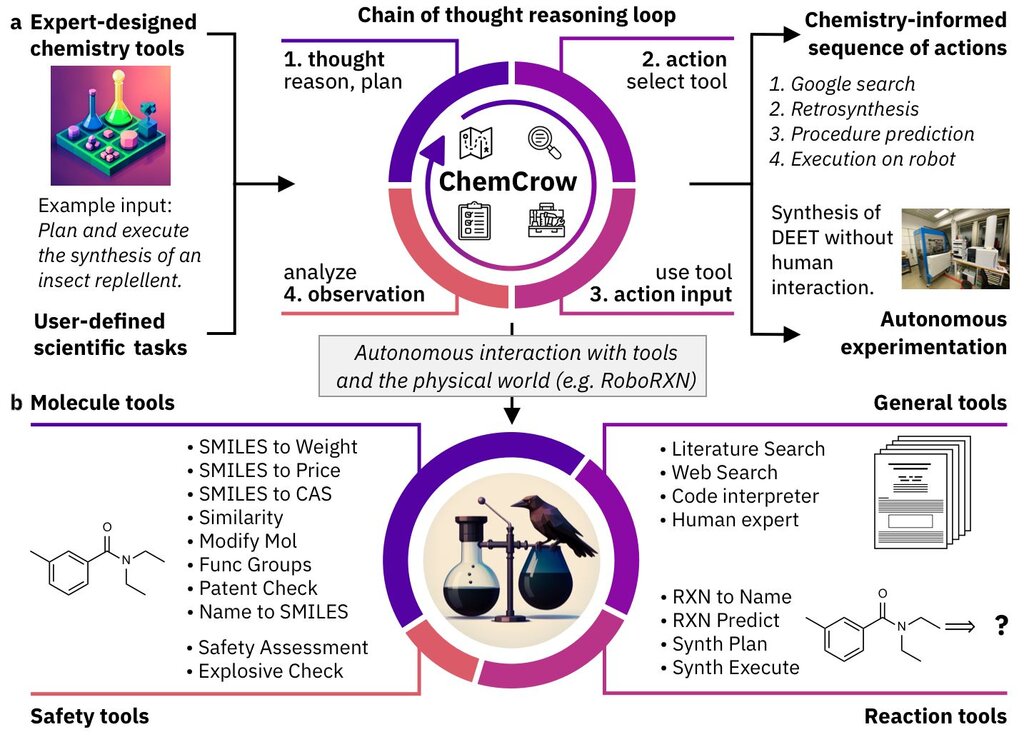
These applications highlight the versatility of AI agents. From simple automation to complex problem-solving, they are becoming an integral part of our technological landscape.
What are the three core steps in an AI agent's operational loop?
In the context of an AI agent, what is the primary difference between a sensor and an actuator?
As we move forward, we'll explore the different types of agents and how they make their decisions. For now, the key takeaway is that agents are what make AI active and purposeful.