AI Agents Explained
Introduction to AI Agents
More Than Just a Program
You've probably used software that follows a strict set of instructions. A calculator app, for instance, adds numbers exactly as you tell it. It doesn't decide on its own to do subtraction instead. It waits for your command and executes it.
An AI agent is different. It's an entity that can perceive its environment and act on its own to achieve a specific goal. Think of it less like a simple tool and more like a dedicated assistant.
At their heart, AI agents are autonomous systems powered by artificial intelligence that perceive their environment, process data, and take actions to achieve specific goals, without constant human oversight.
This assistant doesn't need you to list every single step. You give it a high-level goal, like “book a flight to London for next Tuesday,” and it figures out the details. It checks different airlines, compares prices, looks at flight times, and might even check your calendar for conflicts before presenting you with the best options.
What Makes an Agent an Agent
Three core characteristics separate AI agents from traditional software: autonomy, goal-orientation, and adaptability.
Autonomy: Agents can operate independently. They don't need constant human input to make decisions and take action. This freedom allows them to handle tasks on their own.
Imagine a robot vacuum cleaner. You don't steer it with a remote control. It navigates your home on its own, avoiding furniture and cleaning the floors. That's autonomy in action.
Goal-Orientation: Agents are designed with a purpose. Every action they take is a step toward achieving a specific objective. Their behavior isn't random; it's directed.
A spam filter in your email is a simple agent. Its goal is to keep your inbox clean. It analyzes incoming emails and decides whether to let them through or send them to the junk folder, all to achieve that one objective.
Adaptability: The world changes, and agents can change with it. They can learn from their experiences and adjust their actions based on new information or a changing environment.
Your GPS navigation app demonstrates adaptability. If it detects a traffic jam on your route, it adapts by finding a faster alternative. It didn't know about the traffic when you started, but it adjusted its plan based on new data.
Agents in the Real World
AI agents are not just theoretical concepts. They are already at work in many fields, often behind the scenes.
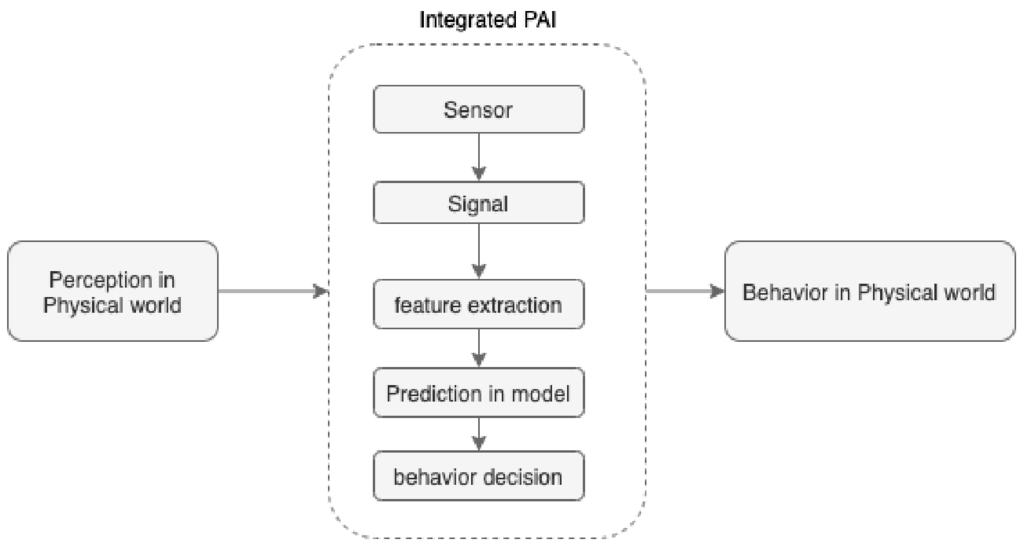
In robotics, autonomous drones can inspect pipelines for damage or deliver medical supplies to remote areas. Their goal is to navigate a complex environment safely and complete a task, adapting to obstacles like birds or bad weather.
Virtual assistants like Siri and Alexa are agents designed to understand your spoken commands and accomplish goals like setting a timer, playing a song, or answering a question. They adapt to your speech patterns and preferences over time.
In finance, AI agents execute stock trades. They are given a goal, such as maximizing profit or minimizing risk, and they monitor market data to make buying and selling decisions in fractions of a second. They adapt instantly to market fluctuations.
Let's test your understanding of AI agents.
What is the primary difference between an AI agent and traditional software like a calculator?
When a GPS navigation app reroutes you to avoid a sudden traffic jam, it is demonstrating which key characteristic?
From cleaning floors to trading stocks, AI agents are becoming more integrated into our world, taking on complex tasks by acting autonomously to reach their goals.