AI Agents Explained
Introduction to AI Agents
What Is an AI Agent?
Think about your smart thermostat. It senses the room's temperature, compares it to your desired setting, and then takes action by turning the heat or air conditioning on or off. It works on its own to keep you comfortable. In a nutshell, that's what an AI agent does: it's a system designed to operate autonomously to achieve a specific goal.
An AI agent is a software program designed to understand its environment, process information, and take actions to achieve specific goals.
Every agent follows a fundamental loop: perceive, decide, and act. It first perceives its environment through sensors. For a robot vacuum, the sensors might detect walls and dirt. For a software agent booking a flight, the “environment” is the airline's website, and its “sensors” are tools that read flight data. After perceiving, it decides what to do next based on its goals and programming. Finally, it acts on that decision, whether that means changing direction to avoid a table leg or clicking the “purchase” button for a plane ticket.
More Than Just an Algorithm
What makes an AI agent different from a standard computer program? The key is autonomy. A simple script executes a predefined set of instructions and stops. If it encounters something unexpected, it usually breaks. An AI agent, however, is designed to operate independently in a dynamic environment. It can adapt to changing conditions and make its own choices to continue pursuing its goal.
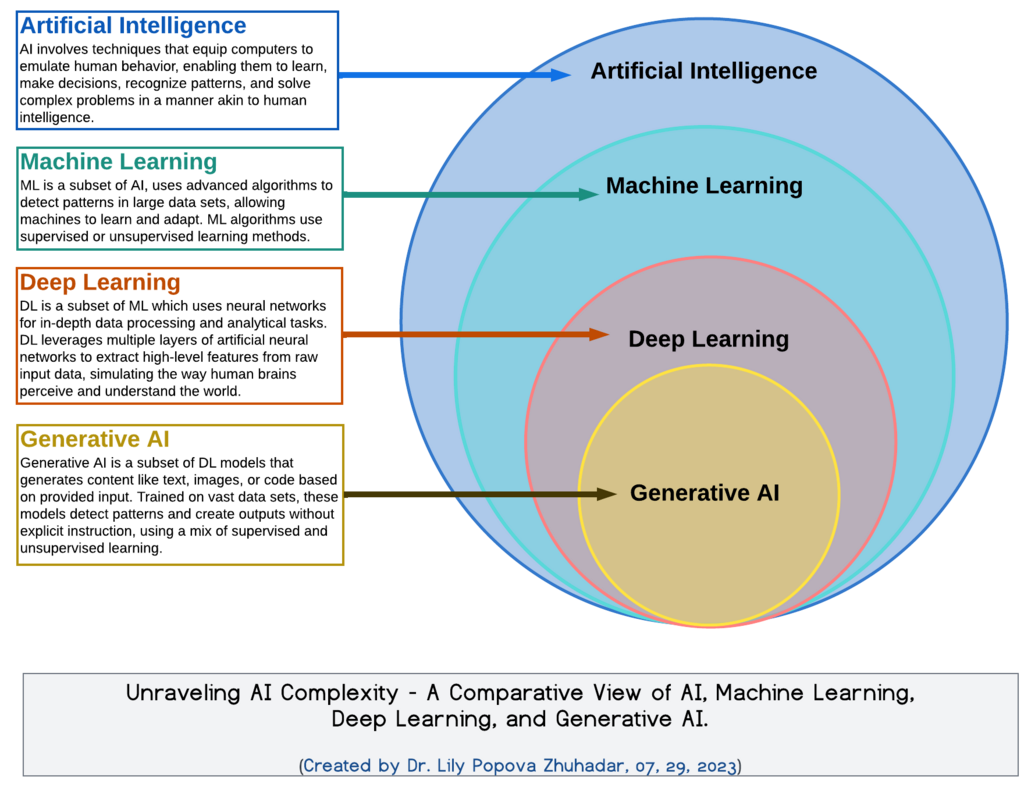
This adaptability separates agents from other forms of AI. A machine learning model might be excellent at one specific task, like identifying cats in photos or predicting stock prices. But it doesn't take action based on those predictions. An AI agent integrates that predictive power with the ability to act, creating a system that can complete complex, multi-step tasks on its own.
A simple program follows a recipe. An AI agent can cook a meal, even if some ingredients are missing.
Agents in the Wild
You might be surprised by how many AI agents are already at work around us. They are the driving force behind many modern conveniences and industrial advancements.
Here are a few examples:
-
Customer Service: Chatbots on websites that do more than answer pre-programmed questions are often AI agents. They can access your account information, process returns, and schedule appointments.
-
Finance: Algorithmic trading bots are agents that perceive market changes, decide on trades based on complex strategies, and act by buying or selling stocks in fractions of a second.
-
Healthcare: In robotics, AI agents power surgical assistants that perceive the operating field, help stabilize instruments, and act on the surgeon's commands with high precision.
-
Supply Chain: Agents can monitor inventory levels, predict demand, and automatically place orders to prevent stockouts, keeping warehouses running smoothly.
These systems are becoming crucial for automating complex processes and improving efficiency in nearly every industry.
Now, let's test your understanding of these core concepts.
What are the three fundamental steps in an AI agent's operational loop?
What is the primary characteristic that distinguishes an AI agent from a simple computer script?
This is just the beginning. By understanding what agents are and how they work, you're ready to explore the different types of agents and the incredible tasks they can accomplish.