AI Agents Explained
Introduction to AI Agents
Meet the AI Agent
Think about a smart thermostat in your home. It senses the room's temperature, compares it to your desired setting, and then decides whether to turn the heat or air conditioning on or off. It does this on its own, without you having to tell it what to do every minute. In the world of artificial intelligence, this thermostat is acting as a simple agent.
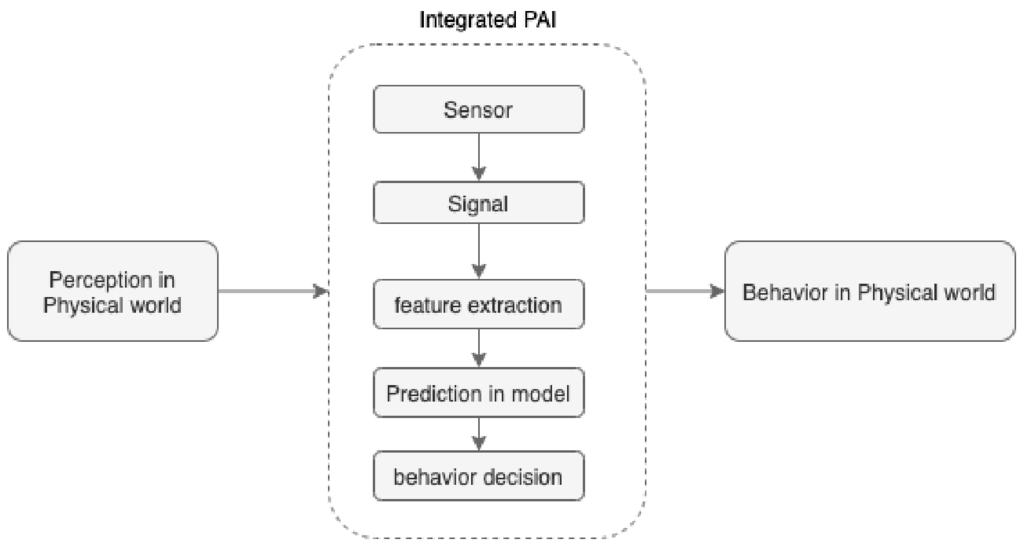
An AI agent is a program or system that can perceive its environment, process information, and take actions to achieve a specific goal.
An AI agent is an autonomous entity that observes its surroundings through sensors and acts upon that environment using actuators. The goal is to achieve a specific task. A sensor can be anything from a camera or microphone to a line of code that reads data from the internet. An actuator is what allows the agent to take action, like the thermostat's switch or an email sent by a software bot.
What Makes an Agent an Agent?
Not all software is an agent. AI agents have a few key characteristics that set them apart.
Autonomy
noun
The ability to perform tasks in complex environments without constant guidance or intervention by a user.
First and foremost, agents are autonomous. They have control over their own actions and internal state. They can operate independently to accomplish tasks that they are designed to perform.
They are also goal-oriented. An agent's actions are not random; they are directed toward achieving a specific objective. For a chess-playing AI, the goal is to win the game. For a customer service chatbot, the goal is to resolve a user's problem.
Finally, agents are adaptable. They can perceive their environment and respond to changes in it. The most advanced agents can even learn from experience, improving their performance over time. A simple spam filter learns to identify new types of junk mail, while a sophisticated trading bot adjusts its strategy based on market fluctuations.
From Simple Rules to Smart Systems
The idea of AI agents isn't new. It traces back to the earliest days of computer science and artificial intelligence in the 1950s. Early systems were purely reactive, following a simple set of "if-then" rules. For example, if the temperature is below 68 degrees, then turn on the heat. These agents were very limited and couldn't handle complex or unexpected situations.
Over the decades, as computing power grew and AI research advanced, agents became more sophisticated. They began to incorporate models of their environment, allowing them to plan their actions and consider the consequences. The rise of machine learning in the 21st century was a major turning point, enabling agents to learn from vast amounts of data and adapt in ways their creators never explicitly programmed.
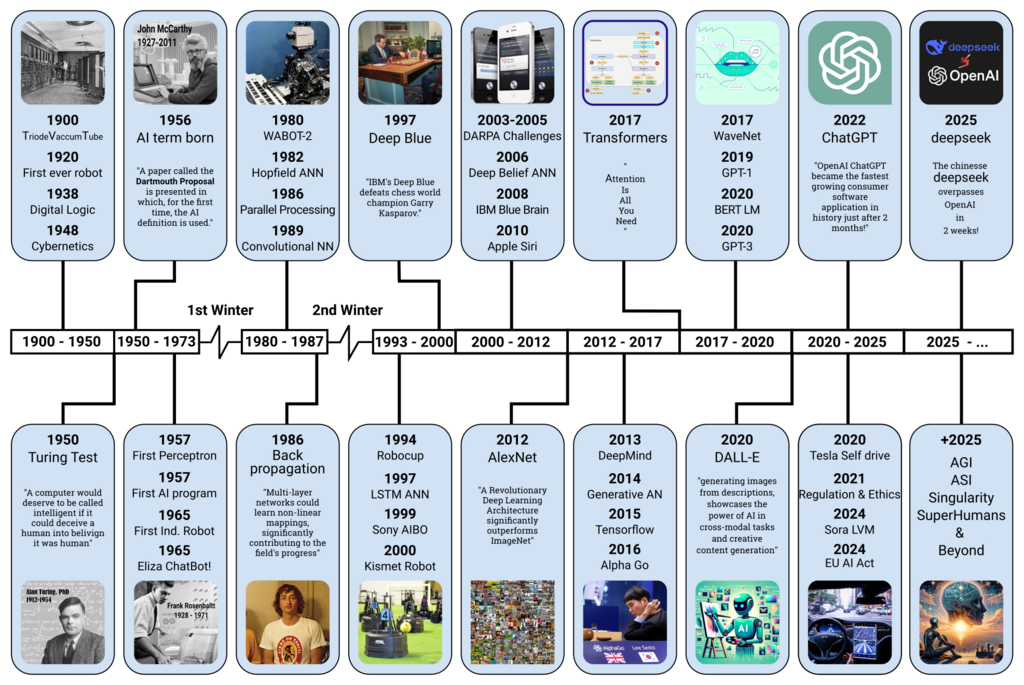
Today, agents are central to the field of AI. They provide a powerful framework for designing systems that can interact with the real world in intelligent ways. From the virtual assistants on our phones to the complex robots exploring other planets, AI agents are the entities that get things done.
Let's check your understanding of AI agents.
What are the three core components that define an AI agent's interaction with its environment?
A simple script runs every Monday at 9 AM to delete temporary files from a computer. Why is this script NOT considered an AI agent according to the key characteristics discussed?
Understanding what an agent is lays the foundation for exploring the different types of agents and how they work.