AI Agents Demystified
Introduction to AI Agents
What Is an AI Agent?
At its core, an AI agent is a system that can observe its surroundings, make decisions, and take actions to achieve a specific goal. Think of it as a digital employee you can assign a task to, which then figures out the steps to get it done on its own.
An AI agent can be broadly defined as a system that perceives its environment, processes data, and takes actions to achieve specific goals.
This process forms a continuous loop. The agent uses sensors to perceive its environment. These sensors could be anything from a camera on a self-driving car to software that reads stock market data. Based on that input, its internal AI model decides on the best action. Finally, it uses actuators to perform that action, which in turn changes the environment, starting the cycle over.
Autonomy and Goals
What truly sets an AI agent apart from a traditional software program is its autonomy. A standard app follows a rigid set of instructions written by a programmer. If you click a button, it performs a predefined action. Every time.
An AI agent, however, is goal-oriented. You don't tell it how to do something; you tell it what to achieve. The agent then uses its intelligence to figure out the best course of action based on its current understanding of the environment. If the situation changes, the agent can adapt its plan without needing new instructions from a human.
Think of it like this: a regular program is a recipe that must be followed exactly. An AI agent is a chef who is given a dish to make and can use their skills and the ingredients available to create it.
This ability to operate independently makes agents incredibly powerful. They can handle complex, dynamic tasks that would be impossible to script out in advance.
Agents in the Real World
AI agents are not just theoretical concepts; they are already at work across many industries, often behind the scenes. Their applications are incredibly diverse.
| Industry | Example Application |
|---|---|
| E-commerce | Personalizing shopping recommendations for each user. |
| Finance | Automating stock trades based on market analysis. |
| Healthcare | Assisting in diagnosing diseases from medical images. |
| Gaming | Controlling non-player characters (NPCs) in video games. |
| Manufacturing | Optimizing supply chains and managing robotic arms. |
| Customer Service | Powering chatbots that can resolve complex user issues. |
In each case, the agent is given a high-level goal, like "increase customer engagement" or "maintain assembly line efficiency," and it uses its perception and decision-making abilities to take actions that move it toward that objective.
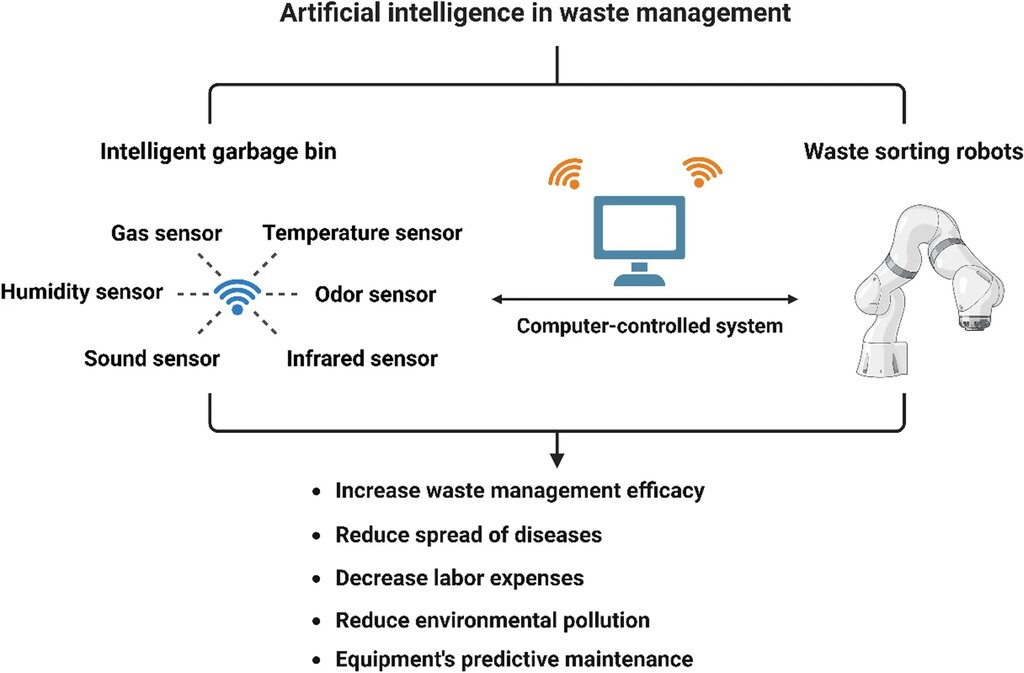
As AI technology continues to advance, these autonomous agents will become even more capable, tackling increasingly sophisticated tasks and becoming a fundamental part of how we interact with technology.
Ready to check your understanding?
What is the primary function of an AI agent?
What key characteristic distinguishes an AI agent from a traditional software program?
This is just the beginning. Now that we understand what an AI agent is and why it's important, we can start to explore the different types of agents and the components that give them their power.