AI Agents and Agentic AI Explained
Introduction to AI Agents
Your Digital Specialists
An AI agent is like a highly specialized assistant that lives in your computer. You give it a specific goal, and it works to achieve it within a set environment. It perceives its surroundings, processes information, and takes action. Think of a spam filter in your email. Its goal is to keep junk mail out of your inbox. It 'perceives' incoming emails, analyzes their content and origin, and then takes an 'action': either letting the email through or sending it to the spam folder.
At their core, all AI agents have three key characteristics: they are goal-directed, they perceive and interpret information, and they take action based on that information.
These agents aren't just following a rigid script like a simple computer program. Many can learn from experience. Your spam filter gets better over time by observing which emails you mark as spam. This learning happens within a controlled setting, allowing the agent to improve its performance on its specific task.
A Tour of AI Agents
AI agents come in many forms, each designed for a particular job. You've likely interacted with several of them already.
Conversational Agents
noun
These are the chatbots you encounter on websites. Their goal is to answer customer questions, book appointments, or guide you to the right information. They process your text and respond in a helpful, human-like way.
Business-Task Agents work behind the scenes in offices. They are masters of automation, handling repetitive tasks like data entry, sorting documents, and processing invoices. In finance, an agent might classify transactions; in manufacturing, it could manage inventory levels.
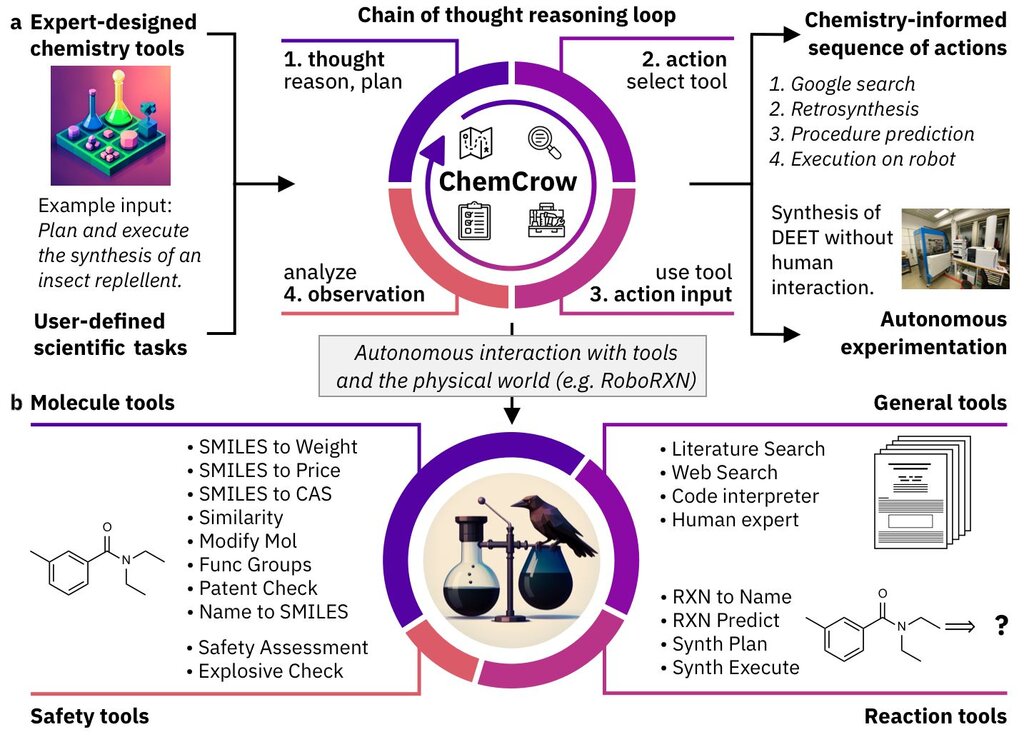
Analytics Agents are data detectives. They sift through vast datasets to uncover patterns and insights. A healthcare provider might use an analytics agent to identify trends in patient outcomes, helping doctors make more informed decisions.
Other common types include Research Agents that gather information from the web, Software Developer Agents that assist with coding, and Web Browser Agents that can automate online tasks like filling out forms.
These agents are powerful tools for efficiency and precision. By taking over specific, well-defined tasks, they free up people to focus on more complex, creative, and strategic work. They aren't thinking for themselves; they are executing a goal with intelligent capabilities.
What is the primary function of an AI agent as described in the text?
Using the spam filter example, what step corresponds to the agent 'perceiving' its environment?