AI Agentic Systems Explained
Introduction to AI Agents
Your Digital Assistant
Think of the most helpful assistant you can imagine. They don't just follow a list of instructions; they anticipate your needs, interact with the world on your behalf, and make decisions to get things done. In the world of artificial intelligence, this kind of assistant is called an agent.
An AI agent is an autonomous software entity that perceives its environment, makes decisions, and takes actions to achieve specific goals.
Unlike a traditional computer program that rigidly follows a predefined script, an AI agent is more flexible. It's designed to operate independently in a dynamic environment, whether that environment is a digital space like the internet or the physical world.
What Makes an Agent
What separates an AI agent from a simple script? A few key characteristics define them. At its core, an agent operates in a continuous loop: it perceives, it thinks, and it acts.
Let's break that down:
-
Perception: An agent uses sensors to gather information about its surroundings. For a self-driving car, sensors include cameras, lidar, and GPS. For a virtual assistant like Siri or Alexa, the sensor is a microphone.
-
Decision-Making: This is the "brain" of the operation. The agent processes the sensory input, considers its goals, and decides on the best course of action. This can be as simple as a thermostat turning on the heat when the temperature drops, or as complex as a trading bot analyzing market data to execute a trade.
-
Action: After deciding, the agent acts on its environment using actuators. A self-driving car's actuators are the steering wheel, accelerator, and brakes. For a virtual assistant, the actuator is a speaker that delivers a spoken response.
autonomy
noun
The ability to perform tasks in complex environments without constant guidance or intervention from a user.
The defining trait that ties all this together is autonomy. An agent isn't just a puppet; it has the independence to make its own choices to achieve its objectives.
Agents in the Wild
You probably interact with AI agents every day without realizing it. They're becoming increasingly integrated into our technology.
Some common examples include:
-
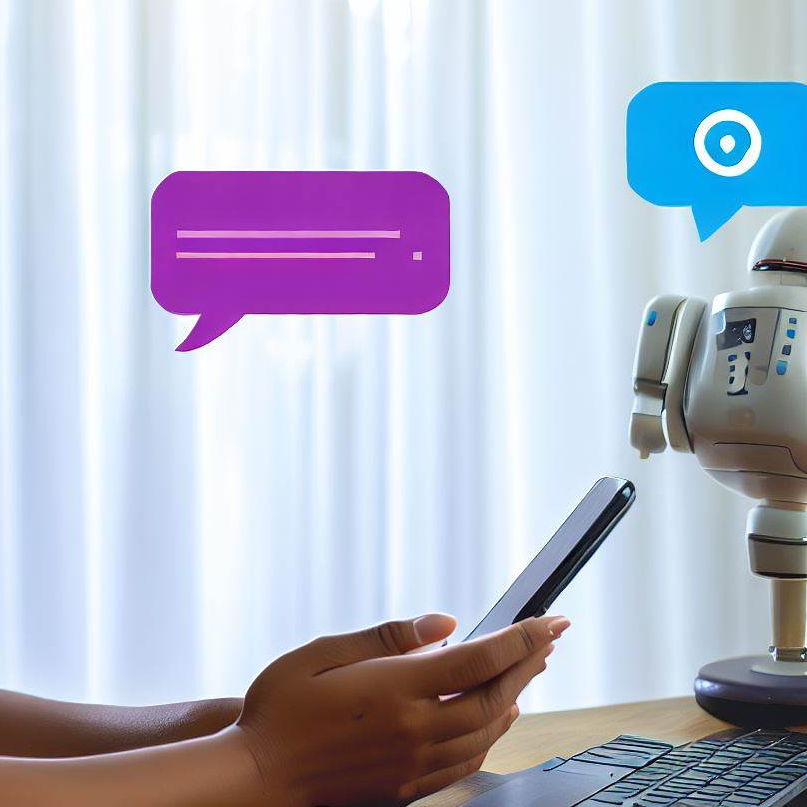
Virtual Personal Assistants: Siri, Alexa, and Google Assistant are classic AI agents. They listen to your verbal commands (perception), parse the meaning and search for an answer (decision), and speak a reply (action).
-
Autonomous Vehicles: A self-driving car is a highly complex agent operating in the physical world. It constantly perceives traffic, pedestrians, and road signs to navigate safely to a destination.
-
Spam Filters: Your email's spam filter is a simple but effective agent. It 'perceives' incoming emails, decides if they match the characteristics of spam, and 'acts' by moving them to your junk folder.
-
Recommendation Engines: When Netflix suggests a movie or Amazon recommends a product, that's an AI agent at work. It perceives your viewing or purchase history, decides what you might like, and acts by displaying those recommendations.
Each of these agents has a clear goal, whether it's answering a question, driving to a location, or keeping your inbox clean. They sense, decide, and act autonomously to meet that goal.
What is the defining characteristic of an AI agent that distinguishes it from a traditional computer program?
An AI agent operates in a continuous loop. What are the three core steps of this loop, in the correct order?
As you can see, AI agents are a fundamental concept in artificial intelligence. They represent a shift from programs that simply execute commands to systems that can operate intelligently and independently in the world around them.