AI Agentic Commerce and Low-Ticket Subscriptions
Introduction to Agentic Commerce
The Rise of AI Shoppers
Imagine you need coffee beans. Instead of browsing websites, comparing prices, and clicking 'buy,' you simply state your preference: 'Get me a new bag of dark roast, whole bean coffee for under $15.' An AI assistant, or agent, handles the rest. It scours the internet, finds the best deal from a reputable seller, and places the order for you. This is the core idea behind agentic commerce.
agentic commerce
noun
A type of e-commerce where autonomous AI agents perform purchasing tasks—like searching, comparing, and buying—on behalf of a user, with minimal direct human involvement.
In traditional e-commerce, you are the active participant. You do the work of finding products, evaluating options, and completing the transaction. An AI agent flips this model. It acts as your personal, automated shopper, empowered to make decisions based on rules and preferences you set. This could be as simple as reordering a product when it runs out or as complex as finding a flight that balances cost, travel time, and layovers.
Agentic commerce goes a step further: it gives these autonomous systems the ability to transact safely to make purchases, manage refunds, and trigger payments within governed limits.
The key difference is autonomy. While a standard online store might recommend products based on your history, an agentic system takes the next step and actually carries out the purchase. This shifts the focus from a human-driven process to a goal-driven one, where the technology is tasked with achieving an outcome for you.
Old vs. New Commerce
The shift from traditional e-commerce to agentic commerce is a fundamental change in how we interact with online retail. The table below highlights the main distinctions.
| Feature | Traditional E-commerce | Agentic Commerce |
|---|---|---|
| Primary Actor | Human user | AI agent |
| Process | Manual search, comparison, purchase | Automated discovery, negotiation, purchase |
| User Effort | High; requires active involvement | Low; requires setting initial preferences |
| Decision-Making | User makes all decisions in real-time | AI makes decisions based on pre-set rules |
| Interaction | User interacts directly with storefronts | Agent interacts with storefronts on user's behalf |
This evolution is powered by advances in AI that allow agents to understand complex requests, learn your preferences over time, and interact with different websites and systems securely. It's less about creating a new place to shop and more about building a new layer of intelligence over the existing retail landscape.
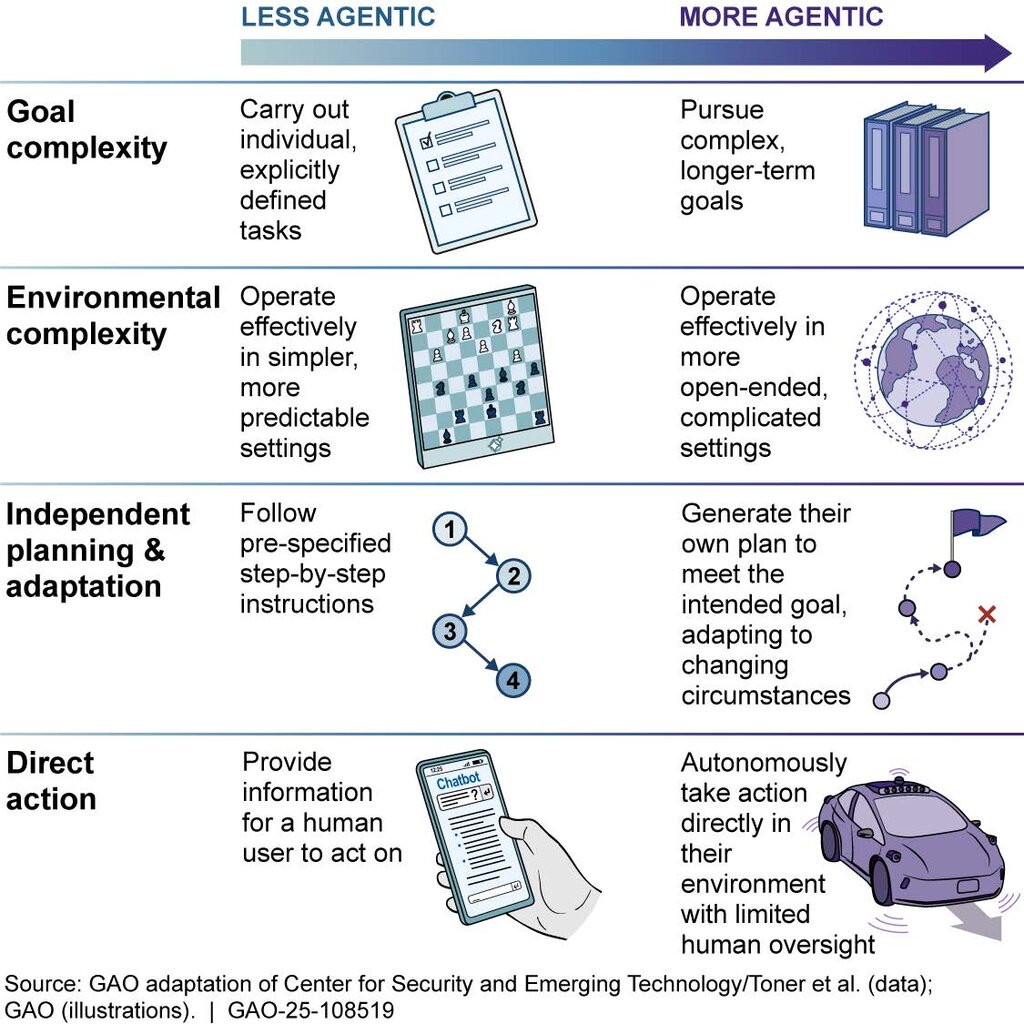
As these systems become more common, they have the potential to save consumers significant time and effort. Instead of managing dozens of subscriptions and recurring purchases manually, a user could delegate these tasks to a trusted AI agent that optimizes for cost and convenience. The trend is moving away from passive AI that just shows you things, toward active AI that does things for you.
What is the primary characteristic that distinguishes agentic commerce from traditional e-commerce?
Agentic commerce shifts the focus of online shopping from a human-driven process to a ________-driven one.