AI Agent Workflow for Accelerated Development
Introduction to AI Agents
What Are AI Agents?
Think of an AI agent as a smart, autonomous assistant. You give it a goal, and it figures out the steps to get there. Unlike a simple chatbot that just answers questions, an agent can perceive its environment, make decisions, and take actions on its own.
An artificial intelligence (AI) agent is a software system that builds upon AI models (e.g., large language models (LLMs)) and autonomously perceives and acts upon its environment to achieve specific goals.
This autonomy is what makes them so powerful. They aren't just following a rigid script; they're problem-solving. To do this, an agent's architecture generally includes four key components.
These components work together, allowing the agent to break down a large goal, use tools to gather information or perform tasks, remember what it has learned, and use its underlying model to reason and adjust its plan. This makes them incredibly useful for complex, multi-step processes like software development.
Agents in Software Development
The software development lifecycle involves several distinct phases, each with its own challenges. AI agents can be deployed to automate tasks and boost efficiency across the entire process.
| Phase | Traditional Task | How an AI Agent Helps |
|---|---|---|
| Business Analysis | Manually gathering requirements from stakeholders. | Scans documents and meeting transcripts to create requirement lists. |
| UI/UX Design | Sketching wireframes and user flows by hand. | Generates multiple design mockups and flow diagrams from a prompt. |
| Implementation | Writing, testing, and debugging code line by line. | Writes boilerplate code, suggests bug fixes, and optimizes algorithms. |
| Quality Assurance | Manually writing and running repetitive test cases. | Autonomously generates and executes tests to find bugs. |
| User Acceptance Testing | Coordinating with users to get feedback. | Simulates user journeys to test usability and report issues. |
By handling these tasks, agents free up developers, designers, and analysts to focus on more strategic, creative work. Instead of getting bogged down in repetitive details, the human team can focus on the big picture, like innovating new features and ensuring the final product truly meets user needs.
This isn't about replacing humans. It's about creating a powerful collaboration where agents handle the tedious work, and people drive the vision.
Putting Agents to Work
A single agent can be useful, but the real power comes from getting multiple specialized agents to work together. This is where orchestration frameworks come in. These frameworks act as a project manager for AI agents.
An orchestration framework defines how agents communicate, share information, and hand off tasks. For example, a "Business Analyst" agent could gather requirements and pass them to a "UI/UX Designer" agent, which then creates mockups and sends them to a "Developer" agent to write the code. This creates an automated workflow, or an "agentic workflow."
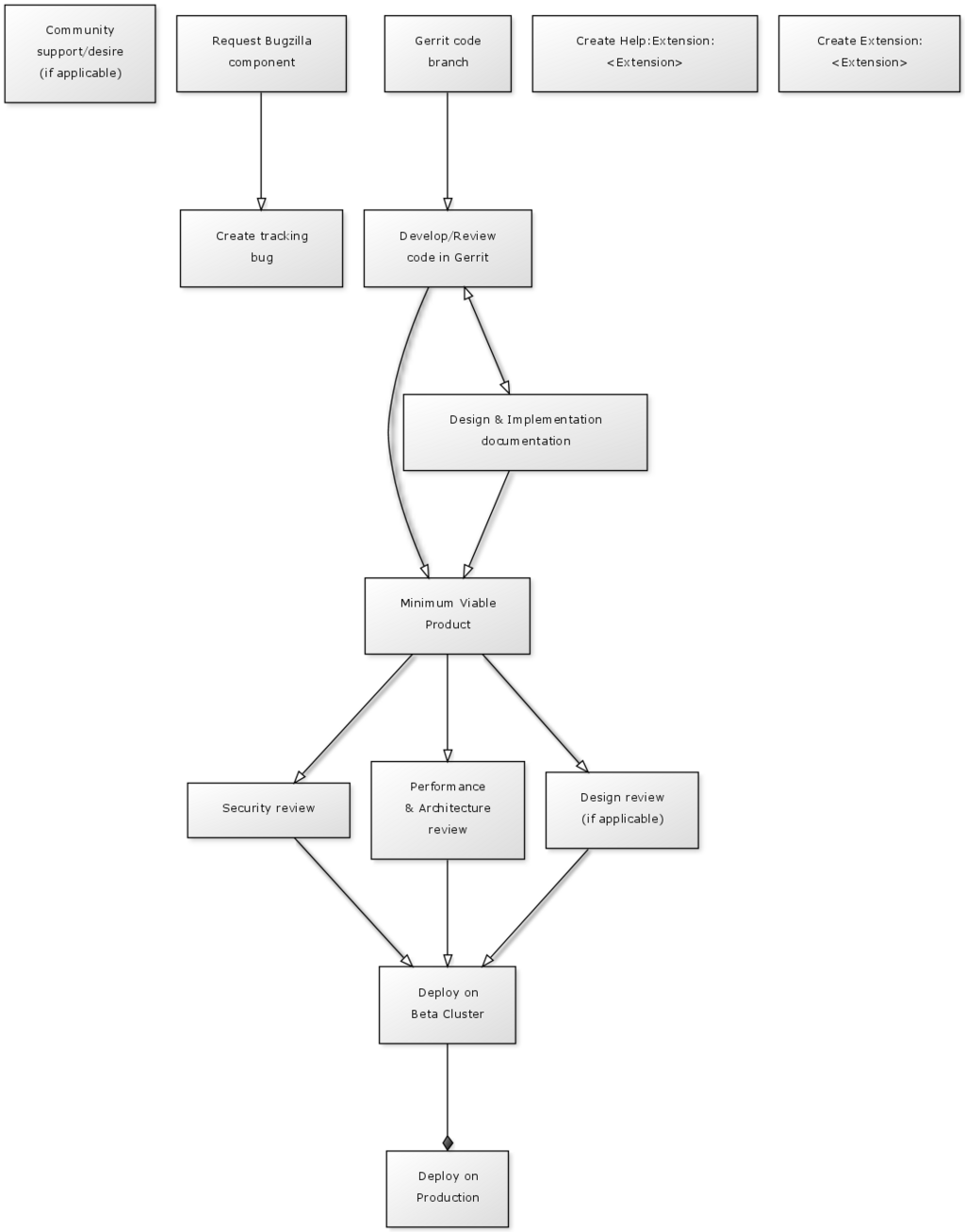
Frameworks like AutoGen, LangChain, and CrewAI provide the tools to build these multi-agent systems. They manage the flow of information and ensure that each agent contributes to the final goal without getting in each other's way. This collaborative approach allows for the automation of highly complex tasks that would be impossible for a single agent to handle on its own.
Ready to check your understanding of AI agents?
What is the primary characteristic that distinguishes an AI agent from a simple chatbot?
The main role of an orchestration framework (like AutoGen or CrewAI) is to manage the collaboration between multiple specialized AI agents.
By understanding what AI agents are and how they can be orchestrated, we can see their potential to transform not just software development, but entire industries.