AI Agent Development Fundamentals
Introduction to AI Agents
What Is an AI Agent?
An AI agent is a system that can observe its surroundings, make decisions, and take actions to achieve a specific goal. Think of it as an autonomous entity doing a job. The job could be as simple as keeping a room at the right temperature or as complex as driving a car.
At its core, any agent, artificial or not, follows a simple loop: it perceives, it thinks, and it acts. A thermostat perceives the room is cold, decides to turn on the heat, and acts by sending a signal to the furnace. Its goal is to maintain the temperature you set.
The fundamental loop for any AI agent is: Sense -> Think -> Act.
This concept is the bedrock of many systems we interact with daily. From a spam filter that senses keywords to decide if an email is junk, to a virtual assistant that listens for a command to play your favorite song, these are all forms of AI agents at work.
Types of Agents
Not all agents are created equal. They vary in complexity based on how much they “think” before they act. We can group them into a few key types.
Reactive Agents are the simplest. They operate on a basic condition-action rule: if they sense a certain thing, they perform a specific action. They don't have memory of the past or consider future consequences. A classic example is a robot vacuum that changes direction only when its sensor bumps into a wall. It's a pure reflex.
Deliberative Agents are more sophisticated. These agents maintain an internal model of their world and use it to plan their actions. They think ahead, considering how their choices will bring them closer to their goal. A GPS navigation app is a deliberative agent. It has a map (its world model), knows your destination (the goal), and calculates the best route, even re-planning if it detects traffic.
Hybrid Agents combine the speed of reactive agents with the foresight of deliberative ones. They operate in layers. A fast, reactive layer handles immediate needs, while a slower, deliberative layer takes care of long-term planning. Think of a Mars rover. It needs to react instantly to avoid a sudden obstacle (reactive), while also following a complex, long-term mission plan sent from Earth (deliberative).
| Agent Type | Key Feature | Example |
|---|---|---|
| Reactive | Acts on pure reflex | Simple Roomba bumping into a wall |
| Deliberative | Plans actions based on an internal world model | GPS calculating the best route to a destination |
| Hybrid | Combines reflexes and planning | Mars rover avoiding rocks while following a mission plan |
Agents in the Wild
AI agents are not just theoretical concepts; they're already integrated into our world in countless ways. Their ability to perceive, reason, and act makes them incredibly versatile.
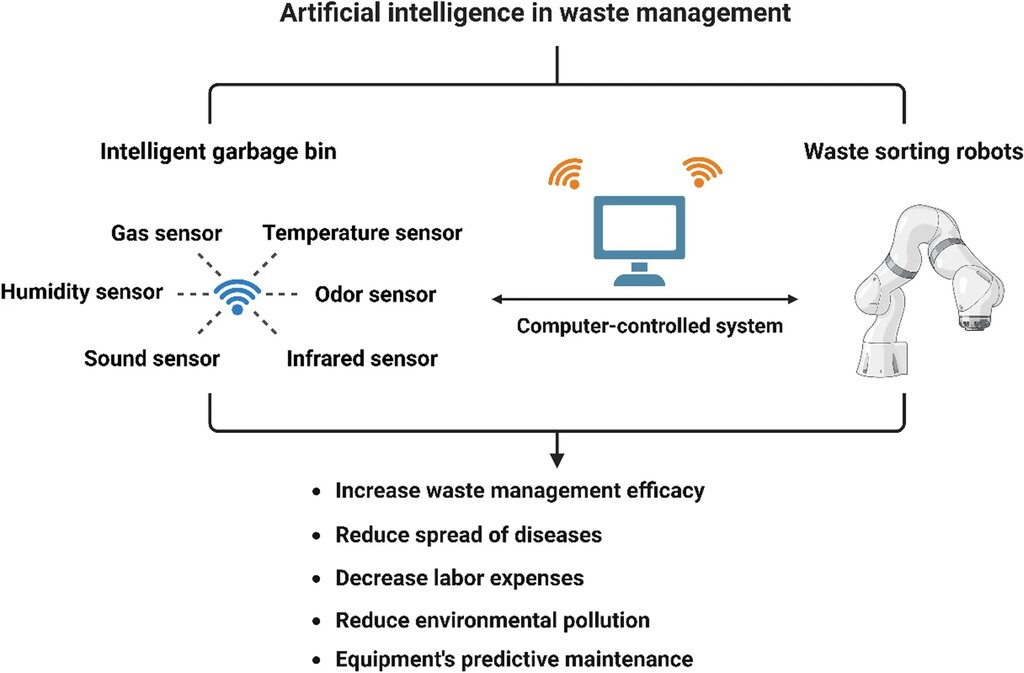
In e-commerce, recommendation engines act as agents. They perceive your browsing history, clicks, and purchases. They then decide which products you're likely interested in and act by displaying them on your screen. Their goal is to personalize your shopping experience.
In finance, algorithmic trading systems are agents that monitor market conditions in real-time. They can execute trades in fractions of a second based on complex models and pre-defined goals, like maximizing profit or minimizing risk. These agents can process information and act far faster than any human.
From the smart assistant on your phone to complex systems managing a city's power grid, AI agents are the active components that turn data into decisions and decisions into actions.