AI Agent Creation Fundamentals
Introduction to AI Agents
What Is an AI Agent?
Think of an AI agent as a digital employee you hire to do a specific job. You give it a goal, the tools to do the work, and the ability to interact with its environment. Then, it gets to work on its own, figuring out the best way to achieve the goal you've set.
An AI agent is a system that can perceive its environment, make decisions, and take actions to achieve specific goals. The key word here is autonomy. Unlike a simple program that just follows a strict set of instructions, an agent can operate independently to solve problems.
An AI agent is a software program designed to understand its environment, process information, and take actions to achieve specific goals.
All agents, whether they are a simple thermostat or a sophisticated self-driving car, share a few core characteristics:
- Perception: They can sense their environment. For a software agent, this could mean reading data from the internet. For a robot, it means using cameras and sensors.
- Decision-Making: They can process what they perceive and decide what to do next. This is the “brain” of the agent.
- Action: They can act upon their environment. A software agent might send an email, while a robot might move its arm.
- Goal-Oriented: Their actions are not random; they are driven by a specific objective.
The Perception-Action Loop
At its heart, an AI agent operates in a continuous cycle called the perception-action loop. It perceives something, thinks about it, and then acts. This loop is the fundamental process that enables an agent to behave intelligently.
Let's break this down:
- The agent uses its sensors to gather information about the state of the environment.
- This information is passed to its internal decision-making logic.
- Based on this logic and its goals, the agent chooses an action.
- It uses its actuators to perform the action, which in turn changes the state of the environment. The loop then begins again.
Three Flavors of Agents
Not all agents are created equal. They range from very simple to incredibly complex. We can group them into three main categories.
Reactive Agents are the simplest type. They operate on a simple if-then logic. If they perceive a certain condition, they react with a specific action. They don't have memory of past events or think about future consequences. A thermostat is a perfect example: if the temperature drops below a set point, it turns on the heat.
A reactive agent is great for tasks that require immediate responses in a predictable environment.
Deliberative Agents are more sophisticated. They maintain an internal model of the world and use it to think about the consequences of their actions. They can plan a sequence of steps to achieve a goal. A GPS navigation app is a deliberative agent. It models the road network, considers traffic conditions, and plans the best route from A to B.
These agents excel at planning and long-term strategy, but they can be slower to respond than reactive agents.
Hybrid Agents combine the best of both worlds. They have a reactive layer for quick responses and a deliberative layer for long-term planning. This allows them to handle both immediate threats and complex goals. A self-driving car needs to react instantly to a pedestrian stepping into the road (reactive) while also planning its route to a destination (deliberative).
| Agent Type | Key Characteristic | Example |
|---|---|---|
| Reactive | Responds directly to perception | Automated vacuum cleaner |
| Deliberative | Plans actions based on goals | Chess-playing AI |
| Hybrid | Combines reaction and planning | Mars Rover |
From Then to Now
The idea of AI agents isn't new. Early concepts emerged in the mid-20th century with rule-based systems called "expert systems." These were deliberative agents that tried to capture the knowledge of human experts in a specific field, like medical diagnosis. However, they were brittle and couldn't handle uncertainty well.
The real revolution came with the rise of machine learning. Instead of being programmed with explicit rules, modern agents learn from vast amounts of data. This allows them to operate in complex, unpredictable environments.
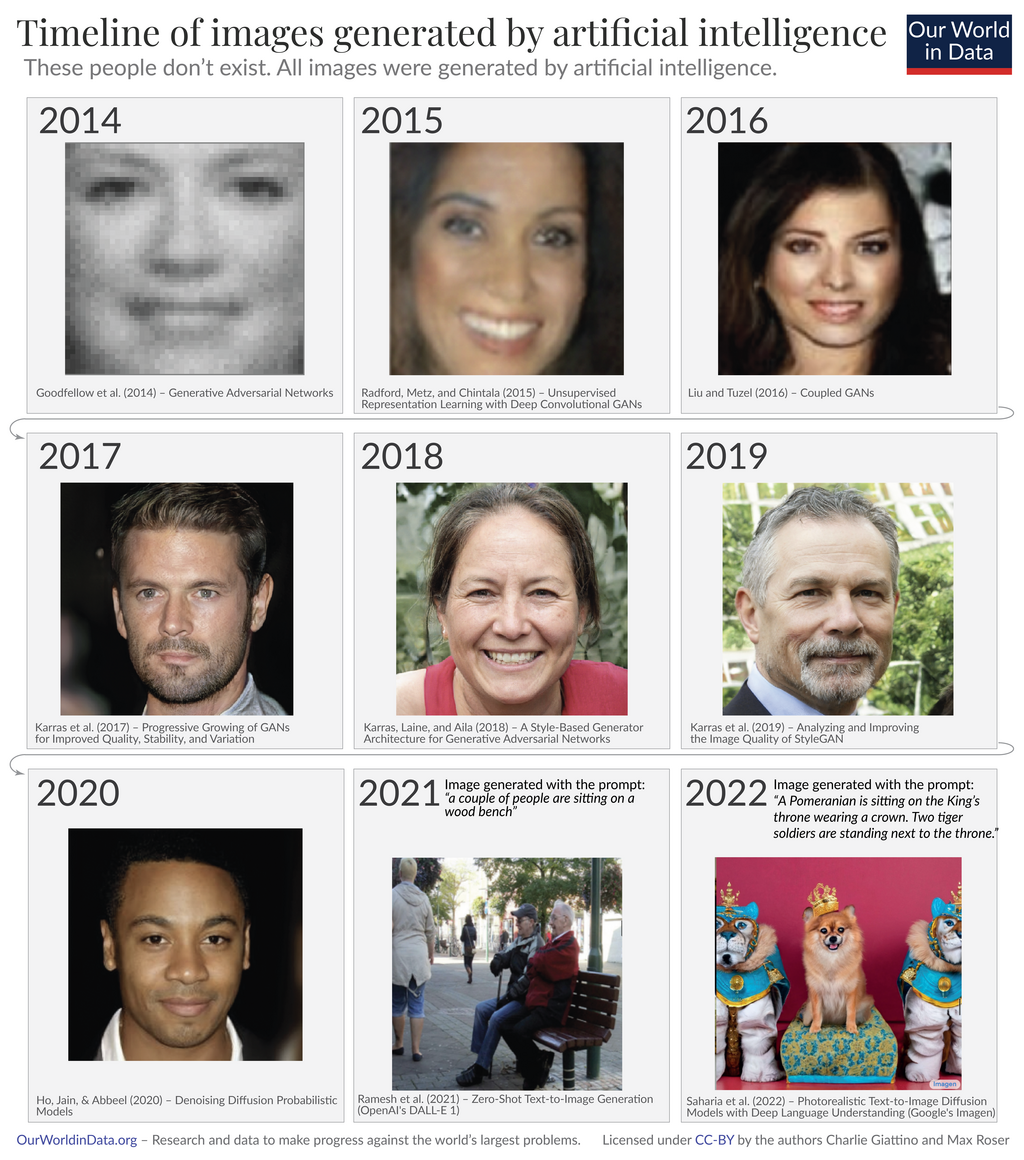
Today, AI agents are everywhere. They power the recommendation engines on streaming services, act as virtual assistants on our phones, control robots in factories, and even help scientists discover new drugs. As the underlying AI models become more powerful, agents are becoming more autonomous and capable of tackling increasingly complex tasks.
What is the defining characteristic of an AI agent that distinguishes it from a simple computer program?
Arrange the core steps of an AI agent's perception-action loop in the correct order.
Now that you've learned the basics of AI agents, you have a foundation for understanding more complex intelligent systems.