AI Agent Architecture Fundamentals
Introduction to Artificial Intelligence
What Is AI?
Artificial Intelligence, or AI, is about creating computer systems that can perform tasks that usually require human intelligence. Think about things like learning from experience, solving puzzles, understanding language, and recognizing objects in a picture.
The broad term “artificial intelligence” refers to the simulation of human-level intelligence and thinking through the use of machines.
It's not about creating robots that look and act exactly like humans. Instead, AI focuses on the process of thinking and learning. An AI system is designed to take in information, process it, and make decisions or predictions based on that data.
algorithm
noun
A set of step-by-step instructions or rules that a computer follows to complete a task or solve a problem.
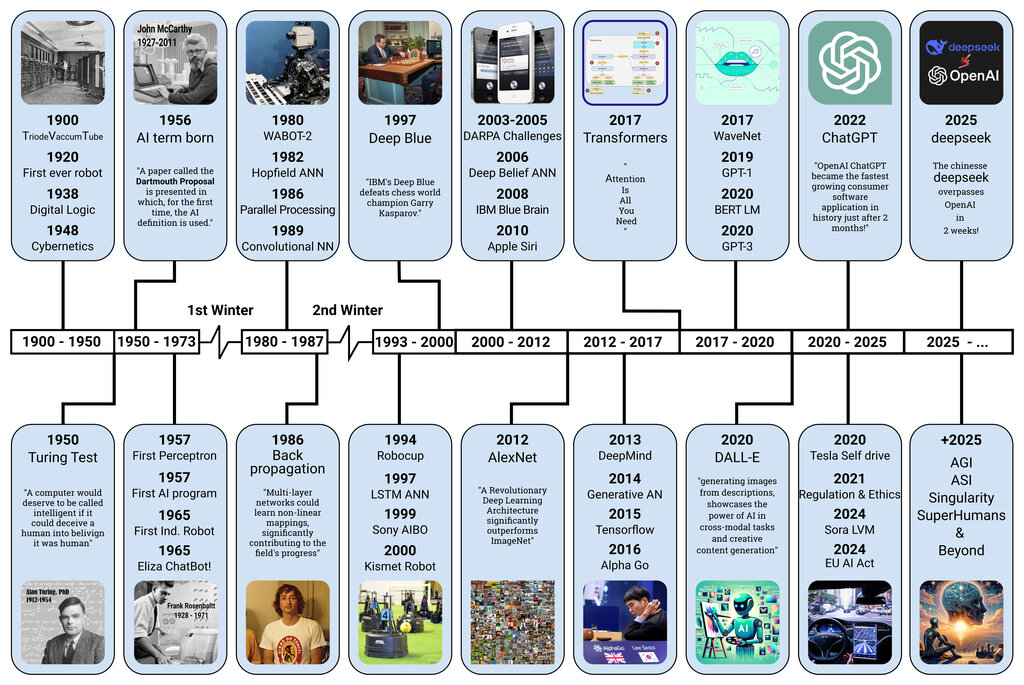
The idea of AI has been around for a while. The term itself was coined in the 1950s, but the dream of creating intelligent machines is much older. Early AI research focused on rule-based systems, where programmers would write specific instructions for every possible situation. Today, AI has evolved to learn on its own.
The Building Blocks of AI
Artificial Intelligence is a vast field with many specialized areas. You can think of AI as the big umbrella, with several important subfields underneath it. These subfields work together to create the smart applications we use every day.
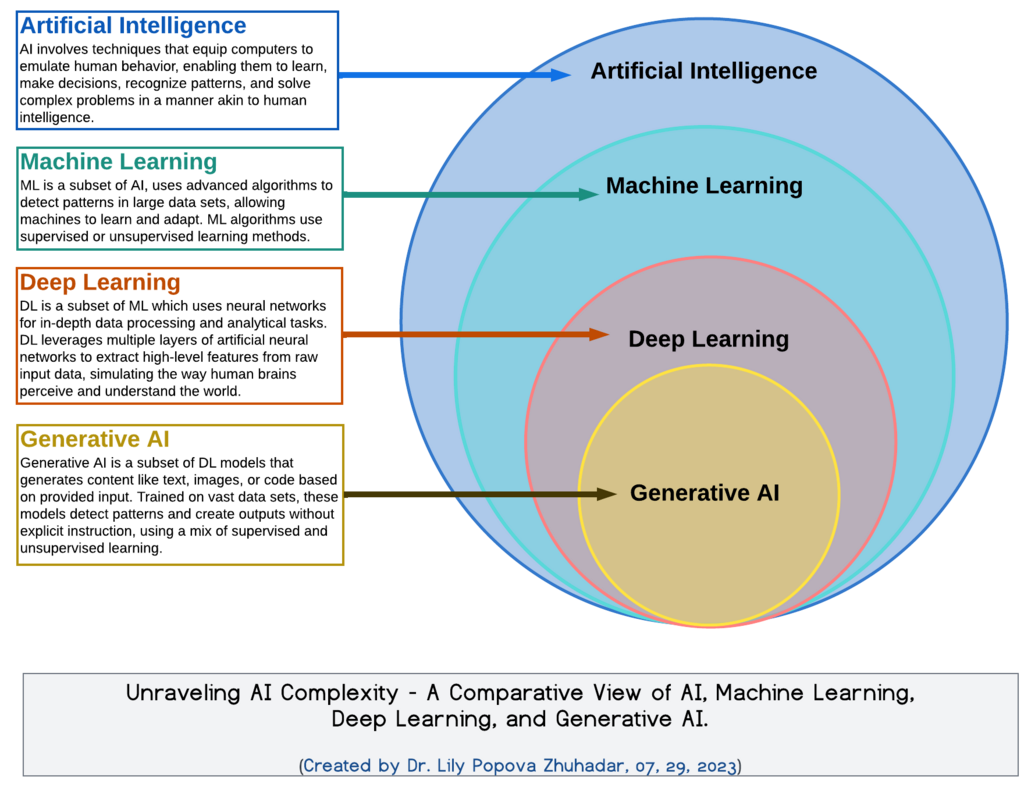
Here are three of the most significant subfields:
-
Machine Learning (ML): This is the engine of modern AI. Instead of being explicitly programmed, ML systems learn patterns and make predictions from data. The more data they process, the better they get at their task. For example, a spam filter in your email learns to identify junk mail by analyzing thousands of examples of spam and legitimate emails.
-
Natural Language Processing (NLP): This area focuses on the interaction between computers and human language. NLP makes it possible for machines to read, understand, interpret, and generate human language. Think of digital assistants like Siri or Alexa, or translation apps that instantly convert one language to another.
-
Computer Vision: This subfield allows AI systems to see and interpret the visual world. Computer vision models can identify people, objects, and places in images and videos. This is the technology behind facial recognition on your phone, self-driving cars navigating roads, and apps that can identify a plant from a photo.
AI in Action
AI isn't just a concept in a lab; it's already a part of our daily lives. From the moment you wake up, you're likely interacting with AI.
Your phone's navigation app uses AI to analyze traffic data in real-time to find the fastest route. Streaming services use machine learning to recommend movies and shows you might like based on what you've watched before. In healthcare, AI helps doctors analyze medical images to spot diseases earlier and more accurately. Banks use AI to detect fraudulent transactions, protecting your accounts from suspicious activity.
Every time you unlock your phone with your face, get a personalized recommendation, or ask a digital assistant for the weather, you are using AI.
These examples show that AI is a powerful tool with practical applications across nearly every industry. By understanding its core concepts, you can better appreciate how it works and how it's changing the world around us.
What is the primary focus of Artificial Intelligence?
An AI that analyzes thousands of emails to learn how to identify junk mail is primarily using which AI subfield?