Agricultural Product Transformation and Preservation
Introduction to Food Preservation
Why Food Doesn't Last Forever
A ripe apple, fresh from the tree, is delicious. But leave it on the counter for a few weeks, and it becomes a soft, brown mess. This is the natural process of decay. All food, from fruits and vegetables to meat and dairy, eventually spoils.
Food preservation is the science of hitting the pause button on this process. It’s a collection of techniques used to slow down or stop the things that cause food to go bad. The goal is simple: make food last longer so it can be enjoyed safely, days, weeks, or even years later.
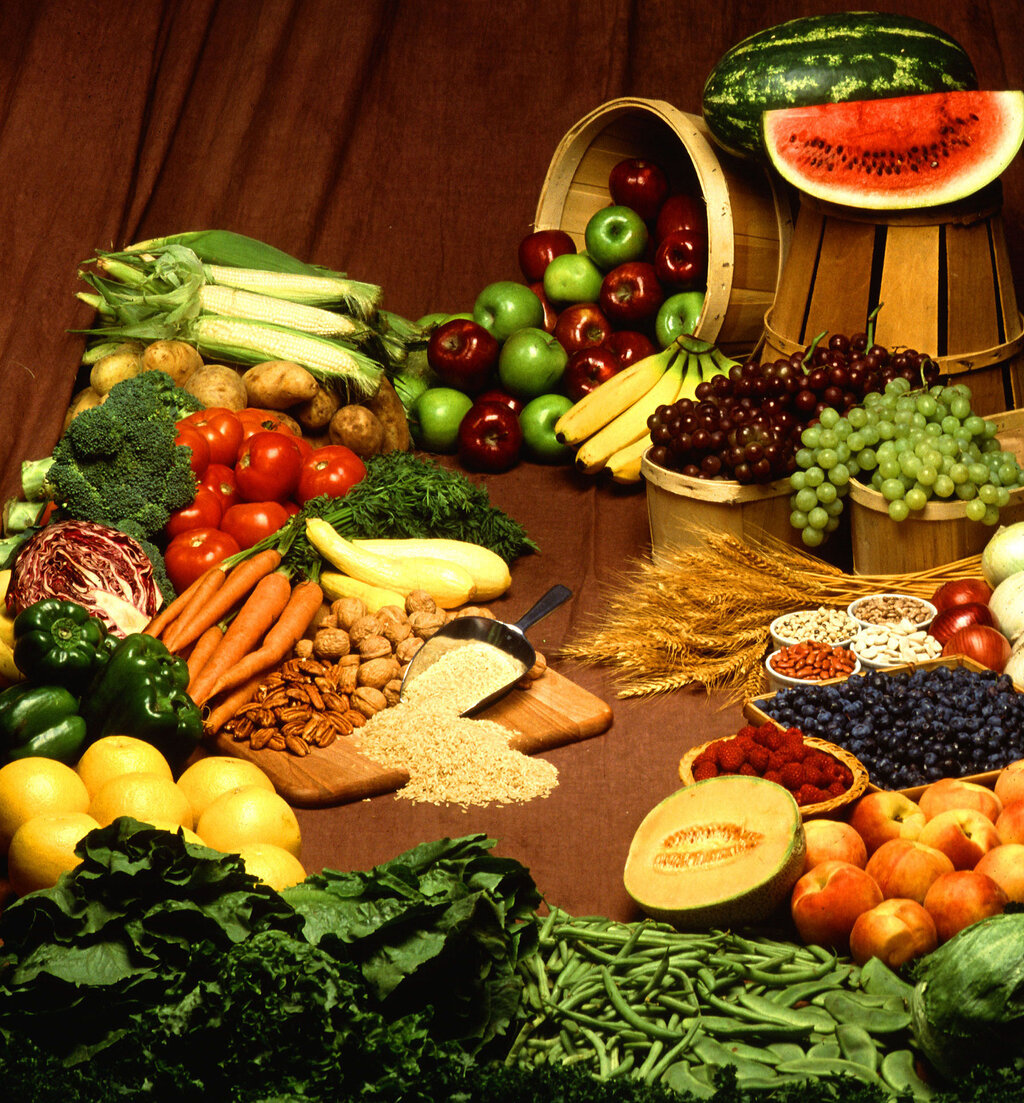
This isn't just about avoiding a fuzzy piece of bread. Preservation is crucial for our entire food system. It allows us to transport food across long distances, stock our pantries, and have access to a variety of foods year-round. For farmers and producers, it means their hard work doesn't go to waste, turning perishable crops into stable, valuable products.
A Quick History of Staying Fed
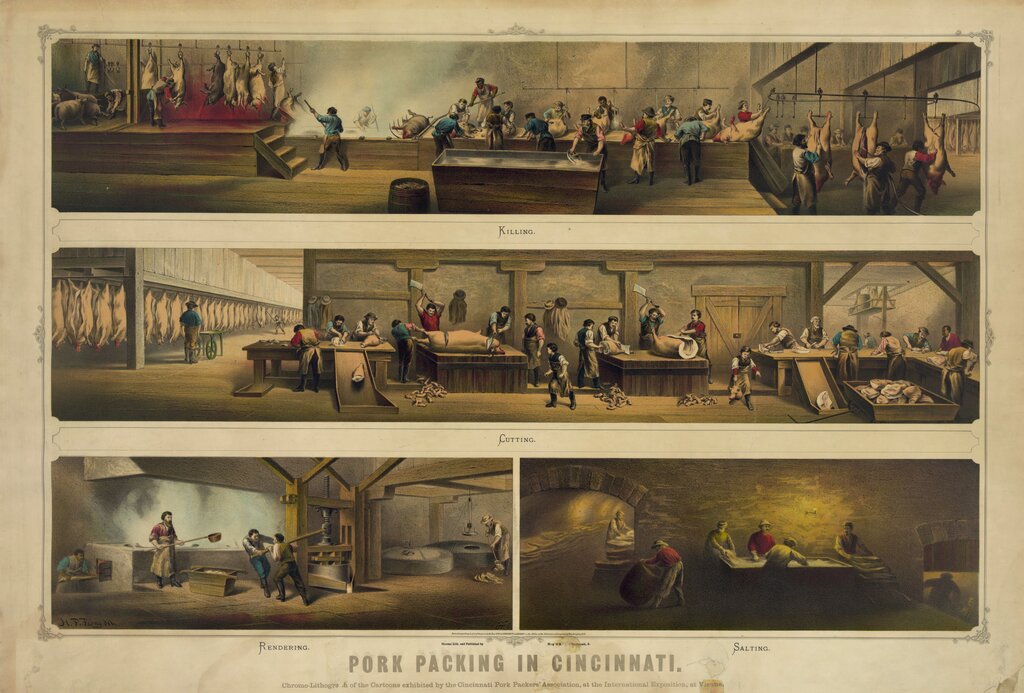
Humans have been preserving food for thousands of years, long before refrigerators or canning jars. These early methods were born from necessity. Our ancestors needed to store food from bountiful harvests to survive lean times.
They learned from observation. Meat left to dry in the sun and wind became jerky that lasted for months. Fish packed in salt didn't rot. Fruits left in the sun shriveled into sweet, long-lasting treats. Smoking, salting, drying, and fermenting were some of the first preservation technologies, discovered and perfected through trial and error.
These ancient techniques laid the groundwork for modern food science. In the early 1800s, a French chef named Nicolas Appert invented canning by sealing food in airtight glass jars and heating them. Decades later, Louis Pasteur's work on microbes explained why heating worked, leading to pasteurization. Each innovation has made our food supply safer and more reliable.
The Enemies of Freshness
To stop food from spoiling, you need to know what causes it. Three main culprits are constantly working to break down our food. Preservation techniques are all designed to fight one or more of them.
1. Microbial Growth
Tiny living organisms like bacteria, yeasts, and molds are everywhere. They love the nutrients and water in our food. As they multiply, they break down the food's structure and produce waste products that cause strange odors, slimy textures, and fuzzy growths. Some of these microbes can also make us sick.
2. Enzymatic Activity
Enzymes are natural proteins found in all living things, including the plants and animals we eat. They speed up chemical reactions. After a fruit is picked or an animal is butchered, these enzymes continue to work, causing changes in color, texture, and flavor. This is why a sliced apple turns brown and a banana gets mushy. It’s a natural part of ripening that eventually leads to decay.
3. Chemical Reactions
Food can also be spoiled by non-living chemical reactions. The most common is oxidation, which happens when food is exposed to air. Oxygen can damage fats, vitamins, and color pigments. This is what makes cooking oils go rancid and gives stale potato chips their off-flavor.
Every preservation method, from simple drying to modern freezing, works by creating an environment where these three spoilers can't thrive.
More Than Just a Longer Shelf Life
The impact of food preservation goes far beyond the kitchen. It is a cornerstone of food security, ensuring that we have a stable and safe food supply. By preventing spoilage, we dramatically reduce food waste. A huge portion of food grown worldwide is lost between the farm and the table, and preservation is one of our best tools to fight that loss.
Preserving food also keeps it safe. By controlling microbial growth, techniques like canning and pasteurization kill harmful pathogens that can cause serious illness. This means longer shelf life is paired with improved safety, giving us confidence in the food we eat.
The essentials: wash hands, separate raw meat, sanitize surfaces, cook to correct temps, and store food properly.
Understanding why food spoils is the first step toward controlling it. By managing microbes, enzymes, and chemical reactions, we can keep food safe, nutritious, and delicious for much longer, turning a fleeting harvest into a lasting resource.