Agribusiness and Commodity Futures Mastery
Agribusiness Operations
From Field to Table
The food on your plate has been on a long journey. Long before it reaches your kitchen, it starts as a seed in the ground or an animal on a farm. This entire process, from production to the final sale, is the world of agribusiness operations. It’s the practical side of how we get our food, involving a chain of activities that turns raw agricultural goods into the products we buy and eat every day.
The Production Stage
Everything begins at the source: the farm. Agricultural production generally falls into two major categories: crops and livestock.
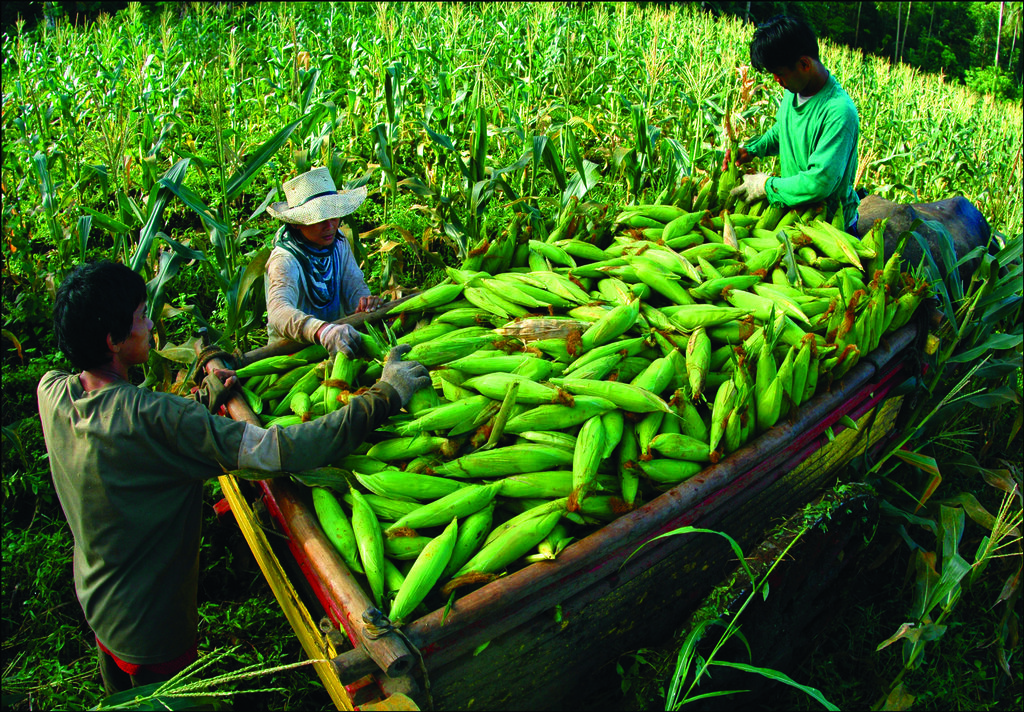
Crop production is the cultivation of plants. This process is a cycle that follows the seasons. It starts with preparing the soil, followed by planting seeds. As the plants grow, they need care—water through irrigation, nutrients from fertilizers, and protection from pests and diseases. Finally, when the crop is mature, it's time for the harvest. Think of the wheat used to make bread; it goes through all these stages before a single grain is milled.
Livestock production involves raising animals for meat, milk, eggs, or other products like wool. Different animals require different systems. For example, dairy cows are managed for milk production, requiring specific diets and milking schedules. Chickens raised for meat (broilers) have a different lifecycle than those raised for eggs (layers). In all cases, farmers focus on proper nutrition, safe housing, and healthcare to ensure the animals are healthy and productive.
The Journey to Market
Harvesting a crop or raising an animal is just the beginning. Getting that product to a consumer requires a series of coordinated steps known as the agricultural supply chain. This chain connects the farm to your fork.
Let's break down these stages.
Processing is where raw agricultural products are transformed. Wheat is milled into flour, apples are pressed into juice, and vegetables are canned or frozen. This step not only makes food edible or more convenient but also adds value and extends shelf life. A processing plant can be a small local mill or a massive factory that handles tons of produce a day.
Distribution is the logistics of moving products. This involves storage in warehouses (often refrigerated) and transportation via trucks, trains, ships, or planes. The goal is to move goods efficiently from the processor to the places where they will be sold, all while maintaining quality. For fresh produce, this is a race against time.
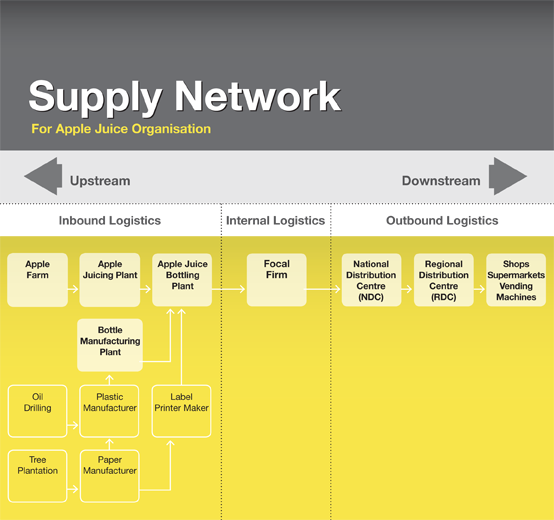
Finally, products reach the retail stage. This is the grocery store, farmers' market, or restaurant where you, the consumer, make your purchase.
Marketing is the force that influences which products we see and choose. Agribusinesses use marketing to build brand recognition, communicate the benefits of their products (like being organic or locally grown), and set prices. Strategies can range from simple packaging to large-scale advertising campaigns. The price you pay is influenced by costs at every step of this chain, from the farmer's expenses to transportation and retail markups.
Inventory, customer, purchasing, sales, payment, and supplier are the main entities of the sales and inventory management system.
Now, let's test your understanding of how food gets from the farm to your table.
What is the best description for the entire process of getting food from its origin on a farm to the final point of sale?
When wheat is milled into flour, which stage of the agricultural supply chain is this?
Understanding these operational steps is key to seeing agriculture not just as farming, but as a complex and vital industry that feeds the world.