Agile Stand-up Meetings
Introduction to Agile Methodologies
A New Way of Working
In the 1990s, software development was often slow and rigid. Teams would spend months, sometimes years, planning every detail of a project before writing a single line of code. This traditional approach, often called the "Waterfall model," worked like an assembly line. Each step had to be completed before the next could begin. If a customer's needs changed halfway through, it was difficult and expensive to adapt.
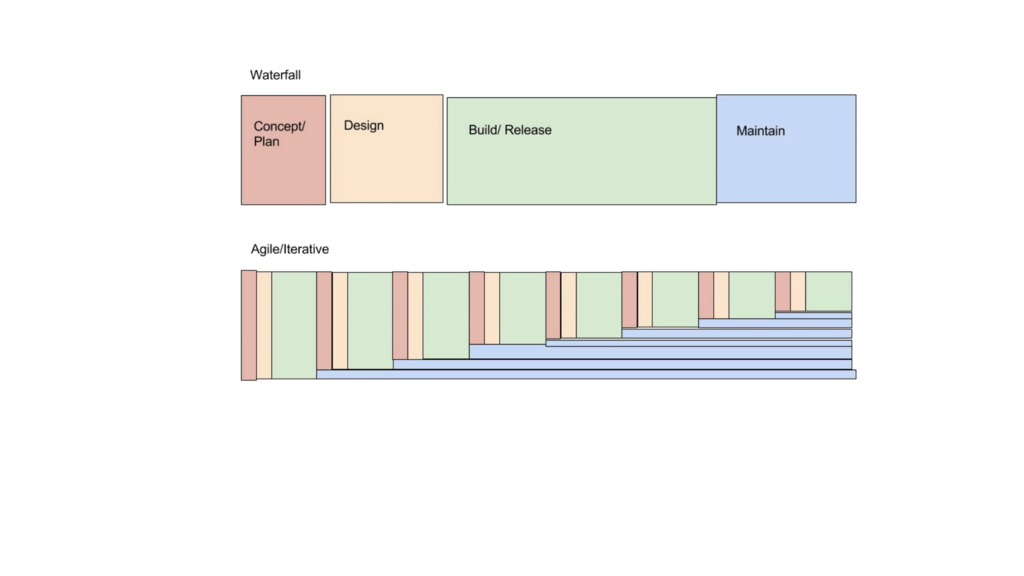
Frustrated with this inflexibility, a group of software developers met in 2001 to find a better way. They created the Manifesto for Agile Software Development, a short document that outlined a new set of values and principles. This new philosophy, known as Agile, wasn't a strict set of rules. It was a mindset focused on flexibility, collaboration, and delivering value to customers quickly.
At its core, an Agile project management methodology promotes speed and collaboration and typically involves short phases of work and frequent testing and adaptation when necessary.
The Agile Mindset
The Agile Manifesto is built on four core values that prioritize a more human and responsive way of working. It values:
- Individuals and interactions over processes and tools.
- Working software over comprehensive documentation.
- Customer collaboration over contract negotiation.
- Responding to change over following a plan.
This doesn't mean processes, documentation, and plans are unimportant. It just means that the items on the left are valued more. Agile trusts that a smart, collaborative team can solve problems better than a rigid, pre-written plan can. The goal is to build the right thing, and the best way to do that is to work closely with customers and adapt to their feedback along the way.
Instead of one big launch at the end of a long project, Agile delivers working pieces of the product in short, repeated cycles. Each cycle builds and improves upon the last.
Common Agile Frameworks
Agile is a philosophy, not a specific method. Teams apply this philosophy using different frameworks. Two of the most popular are Scrum and Kanban.
Scrum is a framework that organizes work into short, consistent cycles called "sprints," which are usually one to four weeks long. At the start of a sprint, the team commits to completing a small set of tasks. At the end, they demonstrate what they've built. Scrum uses specific roles and meetings to keep everyone in sync.
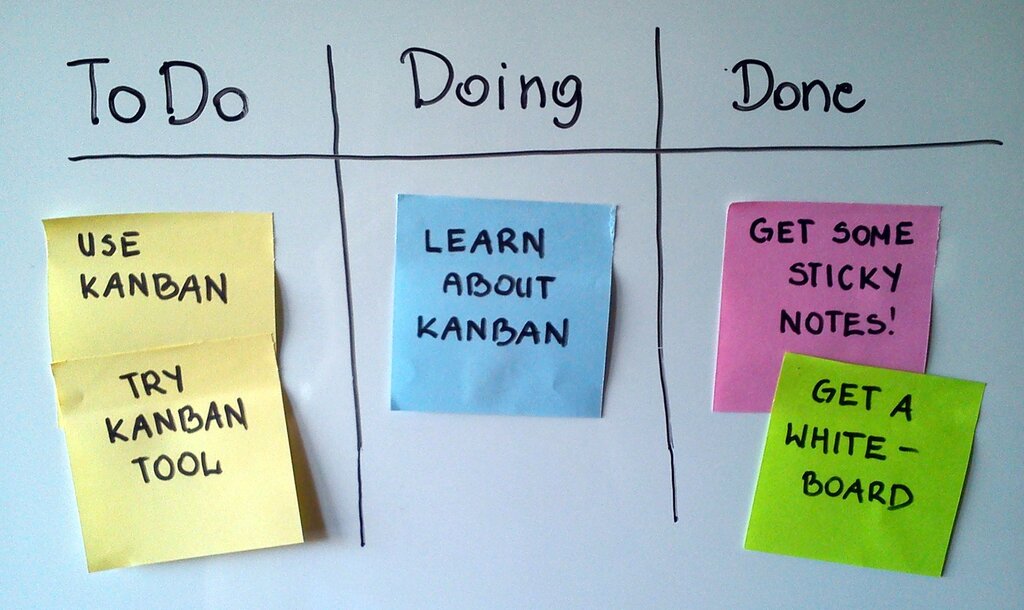
Kanban is a more visual and fluid framework. The main idea is to visualize your workflow and limit the amount of work in progress. Tasks move from left to right across a Kanban board, often with columns like "To Do," "In Progress," and "Done." This helps teams spot bottlenecks and manage the flow of work without being tied to fixed-length sprints.
Why Go Agile?
Teams adopt Agile because it helps them build better products, faster. By working in short cycles and gathering constant feedback, they can make sure what they're building is what customers actually want. This reduces the risk of spending a year on a project only to find out it missed the mark. The contrast with traditional methods is clear.
| Feature | Traditional (Waterfall) | Agile |
|---|---|---|
| Planning | Done entirely upfront | Continuous and adaptive |
| Delivery | One final product at the end | Small, frequent releases |
| Feedback | Gathered at the end of the project | Constant throughout the project |
| Flexibility | Change is difficult and costly | Change is expected and welcomed |
This iterative approach allows for greater flexibility, higher quality, and increased customer satisfaction. It empowers teams to respond to the unpredictable nature of modern work.
Ready to check your understanding? Let's see what you've learned about the foundations of Agile.
What was the primary problem with traditional software development models, like Waterfall, that led to the creation of Agile?
A team decides to release a basic, functional version of a new feature to get user feedback, rather than spending months creating detailed technical specifications upfront. Which Agile value does this action best represent?
Now you have a solid grasp of what Agile is and why it's so widely used. This foundation will help you understand the specific practices, like the daily stand-up, that bring these principles to life.