Agile Scaling for Startup Survival
Understanding Company Vision
Your Company's North Star
A company's vision is more than just a nice-sounding sentence on a website. It's the company's guiding light, its North Star. This vision explains why the company exists, where it's going, and what it wants to achieve in the long term. Without a clear vision, teams can easily pull in different directions, wasting time and resources.
Think of it like building a cathedral. If every worker only sees the stone they are cutting, the work feels tedious. But if they all share the vision of the magnificent structure they are creating together, their work has purpose. A strong vision provides that purpose. It aligns everyone, from the CEO to a new intern, ensuring every task contributes to the same overarching goal.
A robust product vision serves as the North Star for teams, guiding their efforts and aligning their goals with the broader organizational mission.
Making the Vision Scalable
A grand vision is inspiring, but it's not directly actionable. You can't just tell a team to "revolutionize the transportation industry." To make a vision work for a growing company, you have to scale it down into tangible pieces. This means breaking the big idea into smaller, more focused missions, goals, and objectives.
Refining the vision for scalability involves translating the abstract into the concrete. For example, the vision might be to make sustainable living accessible to everyone. A mission derived from this could be to create the world's most energy-efficient home appliances. From there, a team's goal might be to develop a smart thermostat that reduces energy consumption by 20%. Suddenly, the grand vision has a clear, measurable starting point.
This process isn't a one-time event. As the company grows and markets change, the vision might need slight adaptations. The key is to maintain the core idea while adjusting the specific goals and missions to reflect new realities and opportunities.
Staying Aligned During Growth
Rapid growth is exciting, but it's also dangerous. As new people and teams are added, the company's shared understanding of the vision can fade. It's like a game of telephone; the message gets distorted as it passes through more people. Maintaining alignment is an active, ongoing effort.
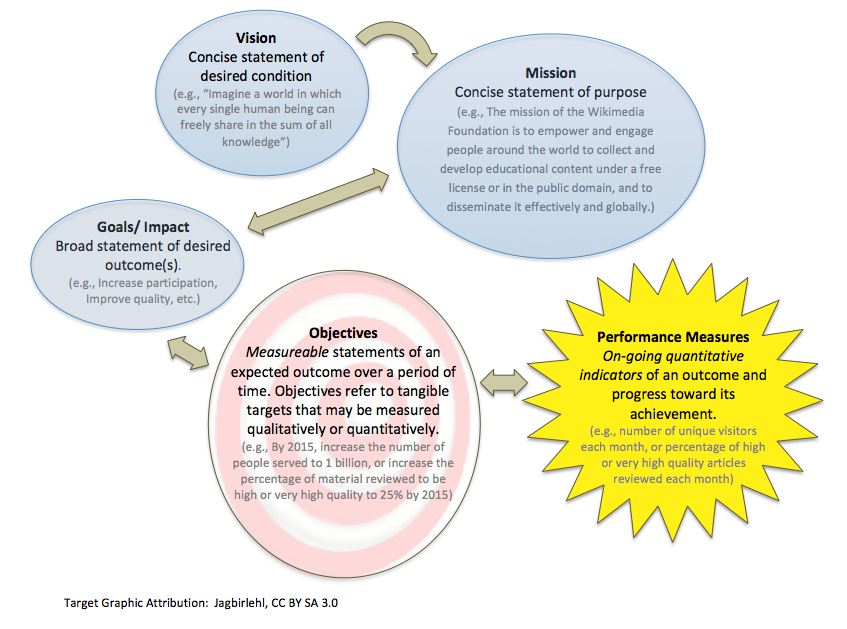
How do you keep everyone on the same page? Communication is the most critical tool. Leaders must constantly repeat the vision and connect it to the company's current projects. Every new initiative should be framed with an explanation of how it helps achieve the vision. When an employee, no matter their role, can explain how their daily work helps the company reach its long-term goals, you know you have strong alignment.
Vision alignment isn't automatic. It requires constant communication and deliberate reinforcement, especially as a company scales.
Now, let's check your understanding of these core concepts.
What is the primary purpose of a company's vision?
The process of breaking a grand vision into smaller missions, goals, and objectives is necessary to make it _________.
Ultimately, a company vision is the foundation upon which everything else is built. By keeping it clear, making it scalable, and ensuring everyone stays aligned, you create the conditions for sustainable, purposeful growth.